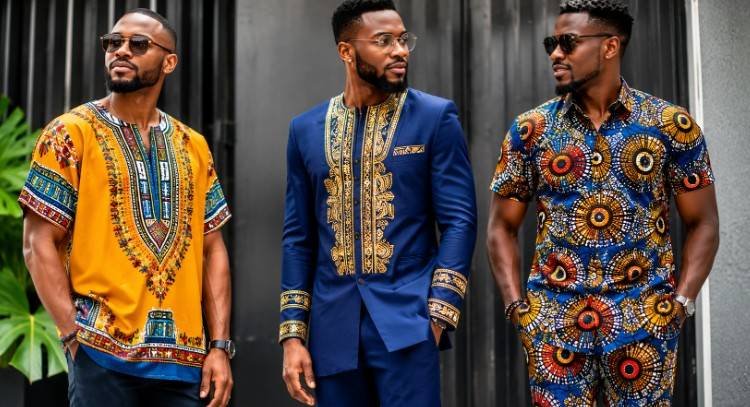
A great outfit should feel like confidence, not costume. Dashiki styles for men make that easy because they bring color, culture, comfort, and presence. My favorite part is how one African print shirt works for a weekend, family celebration, or wedding moment.
Key Takeaways
- Dashikis work for casual, formal, and cultural events.
- Fit decides the look.
- Simple pants balance bold prints.
- Respect the garment’s culture.
- Shop by fabric, size, and occasion.
Traditional Dashiki Shirts
Classic dashiki shirts are the foundation of this look in any men’s African clothing guide.
Design
The traditional dashiki shirt is loose fitting, breathable, and usually short sleeved. It often has the well-known V-neck shape, giving the garment its relaxed but recognizable silhouette.
A good dashiki should sit neatly at the shoulders, give room through the chest, and fall around the hips. The right relaxed fit looks effortless.
Details
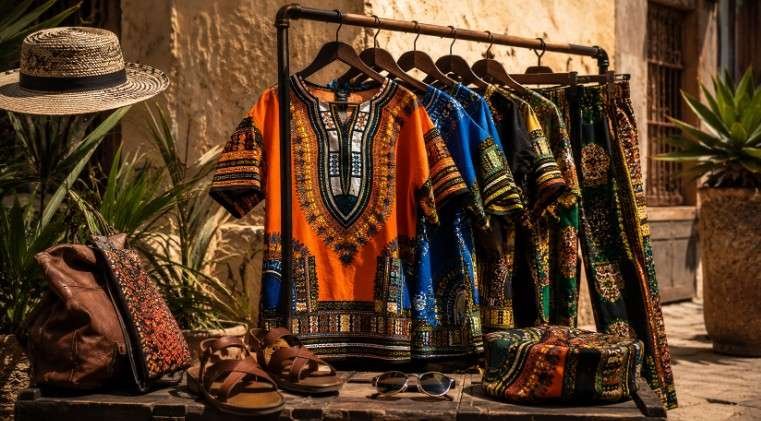
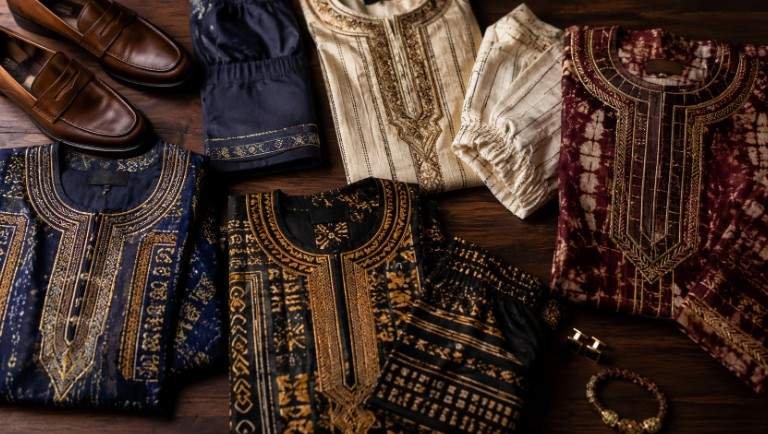
The ornate V-neck print is the signature detail. It frames the collar and chest with geometric motifs, border patterns, embroidery-inspired artwork, or colorful African print designs.
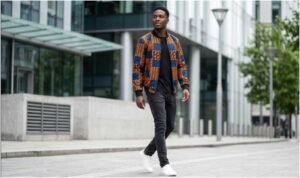
This detail draws attention upward and gives the shirt personality. Because the print speaks loudly, simple styling works best. Pair a traditional dashiki with black jeans, white trousers, chinos, sandals, loafers, or clean sneakers. Add one accessory and let the neckline design lead.
Occasion
Traditional dashiki shirts suit casual gatherings, cultural festivals, cookouts, summer events, travel days, and everyday streetwear. They feel relaxed yet intentional with clean pants and shoes.
For a real-life tip, wear lighter cotton dashikis in warm weather and darker prints for evening events. New to African print fashion? Start with navy, black, white, or earth tones.
Modern Two-Piece Sets
Modern two-piece dashiki sets give the classic look a sharper, more coordinated feel for men who want comfort and polish.
Design
These outfits usually include a slim-fit tunic top with matching trousers. Many modern sets borrow from kaftan style, using cleaner lines, longer tops, and a tailored shape.
The best versions feel structured, not stiff. The top can stay slightly relaxed, but the trousers should sit neatly at the waist and taper gently.
Details
Contemporary designs use solid fabrics like polished cotton or linen, then add geometric prints, velvet panels, metallic lines, or subtle embroidery. The outfit feels bold, not busy.
Color control matters here. Follow the three color rule by keeping your outfit to three main colors or fewer. If your set has cream, gold, and black, keep shoes and accessories in that family.
Occasion
Modern two-piece sets work well for parties, family milestones, birthdays, engagement events, church services, dinners, and semi-formal occasions. They are dressier than a shirt alone.
For US buyers, check measurements. Chest, shoulder, sleeve, waist, inseam, and height guidance matter more than size labels. Order early so there is time for hemming or small tailoring fixes.
Formal Luxury And Wedding Suits
Formal dashiki suits are made for big entrances, important photos, and celebrations.
Design
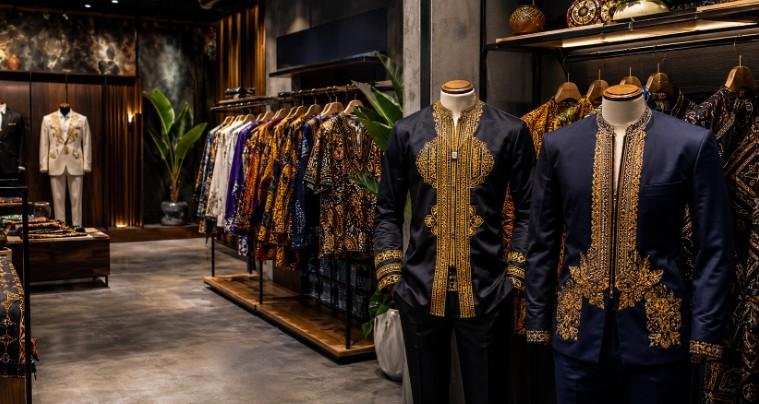
Formal luxury dashiki suits include structured long-line tunics, open-front jackets, mandarin collars, or fitted trousers. These pieces give men a refined African formalwear option.
The fit should be sharp. Shoulders should sit cleanly, sleeves should not cover the hands, and trousers should be hemmed properly. A luxury look depends on tailoring and fabric.
Details
Gold thread embroidery, metallic buttons, ornamental chains, rich chest panels, and monochrome stitching are common. White, cream, deep navy, black, burgundy, emerald, and royal blue photograph beautifully.
Avoid over-accessorizing. If the suit has strong embroidery, choose sleek shoes and minimal jewelry. A ring, watch, or simple chain is enough. The garment should look elegant.
Occasion
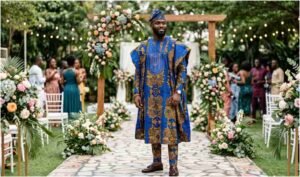
These suits are ideal for traditional weddings, grooms, groomsmen, proms, galas, award nights, and formal cultural celebrations. They carry presence and need intentional styling.
For wedding guests, respect the dress code. White, cream, and heavy gold designs can look groom-like, so ask before wearing a highly ornate outfit.
Grand Agbada And Over-Garments
Grand agbada-inspired looks bring ceremony, movement, and prestige into African print fashion for men.
Design
An agbada is a wide-sleeved flowing robe worn over a matching inner shirt and trousers. It differs from a dashiki, but both are important African menswear silhouettes.
The agbada shape is larger and dramatic. It frames the body powerfully and works best when the event calls for grandeur.
Details
Grand over-garments often feature embroidered chest panels, wide sleeves, rich fabrics, and coordinated headwear such as a fila. Embroidery may be tonal, metallic, or decorative.
Balance is key. Because the robe is voluminous, the inner shirt and trousers should fit well. Neat shoes, controlled accessories, and confident posture and body language complete the look better than extra layers.
Occasion
Agbada and over-garment styles suit high-prestige cultural celebrations, traditional weddings, naming ceremonies, formal galas, and community events. They signal respect, status, and celebration.
If you want impact without full volume, choose a long-line dashiki tunic with embroidery. It gives a similar formal feeling while staying easier to move in and more practical for many US events.
How To Wear Dashiki Styles For Men
Dashiki styles for men look best when you build the outfit around fit, occasion, color, and respect.
Step One: Choose The Event
Start with the setting. A cotton dashiki shirt fits festivals and casual dinners. A matching two-piece set suits parties. A formal embroidered suit works for weddings and ceremonies.
This keeps the outfit natural instead of forced. The same print that looks fun at a street festival may feel too casual at a black-tie wedding, while a luxury suit may feel heavy for daytime.
Step Two: Style The Outfit
Next, match the bottom half. Printed shirts look best with plain trousers. Matching sets should be tailored. Formal suits need polished shoes. Grand garments need clean inner layers and confident posture.
Use simple image SEO if publishing product photos. Alt text like “modern blue dashiki styles for men with matching trousers” helps search engines understand the image while helping shoppers find the right look.
Step Three: Wear It Respectfully
A dashiki is fashionable, but it is also cultural. Learn what you are wearing, avoid costume-like styling, and support African-owned, Black-owned, or culturally knowledgeable sellers whenever possible.
Respect does not make the outfit complicated. It means appreciating the heritage, choosing quality pieces, and wearing the garment with care. That is how bold style becomes meaningful style.
Frequently Asked Questions
1. What Are The Different Styles Of Dashikis?
Dashiki styles include traditional loose V-neck shirts, modern two-piece sets, embroidered formal suits, wedding looks, streetwear tops, long tunics, and agbada-inspired over-garments for major cultural events.
2. What Is The 3 Color Rule For Men?
The three color rule means using no more than three main colors in one outfit. With a bold dashiki, it keeps trousers, shoes, and accessories clean.
3. What Are The 7 Types Of Fashion Men?
Common men’s fashion types include casual, smart casual, formal, business, streetwear, athleisure, and cultural fashion, where African print clothing and dashiki outfits fit beautifully.
4. Can A White Person Wear A Dashiki?
Yes, a white person can wear a dashiki respectfully by understanding its cultural meaning, avoiding costume styling, and supporting authentic African or Black-owned fashion brands.
Final Fit Check: Wear The Story Well
Dashiki styles for men are more than trend pieces. They range from traditional V-neck shirts to modern sets, wedding suits, and grand ceremonial over-garments. The best look starts with fit, respects the occasion, and honors the culture behind the fabric. Choose your colors wisely, keep the styling balanced, and let African print fashion speak with confidence.