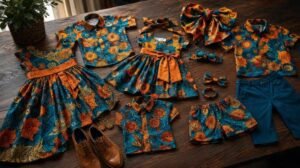
A vibrant African print outfit never feels like ordinary clothing. It feels like memory, joy, and pride. So, what is the history of African patterns? The story begins in indigenous African traditions where symbols helped people share history, spirituality, and belonging.
Indigenous Pattern Roots
Before global textile trade, African communities created their own weaving, dyeing, painting, carving, and stamping traditions.
Visual Language In Daily Life
African patterns are rooted in indigenous cultures and tradition. Many originally worked like a visual language, sharing history, moral lessons, spiritual beliefs, family identity, and social standing.
These designs appeared on cloth, pottery, walls, baskets, masks, and ceremonial objects. A line, spiral, diamond, dot, or border could suggest protection, leadership, fertility, wisdom, courage, mourning, or celebration.
Craft Before Commerce
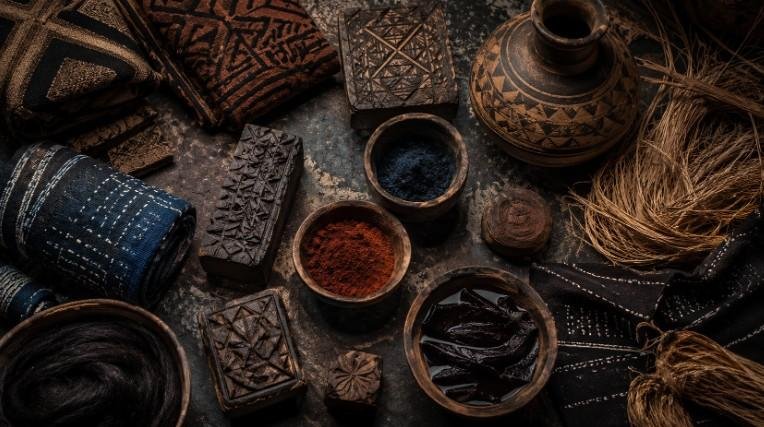
Long before mass-produced prints, artisans used cotton, raffia, bark, mud, indigo, plant dyes, and hand tools to create meaningful surfaces. The work took skill and cultural knowledge.
Patterns were often made for weddings, festivals, funerals, initiations, royal events, or family milestones. Clothing and objects carried social messages that the community could understand.
Traditional Indigenous Textiles
Traditional African textiles show how materials, techniques, and beliefs shaped patterns before modern fashion trends.
Adinkra From Ghana
Adinkra is connected to Akan and Ashanti cultural traditions in Ghana. These hand-stamped symbols use dark ink made from natural materials, including boiled bark.
Each symbol can represent a proverb, philosophy, historical lesson, or value. Designs may speak about wisdom, unity, strength, humility, patience, leadership, and returning to one’s roots.
Adire From Nigeria
Adire is a Yoruba textile tradition from Nigeria known for indigo dye and resist techniques. Artisans use tying, stitching, folding, wax, starch, or hand-painted methods to create detailed blue and white patterns.
Historically, Adire designs could reflect local stories, wealth, marital status, creativity, and women’s craftsmanship. Today, Adire is loved in gowns, shirts, two-piece sets, headwraps, and contemporary streetwear.
Kuba Cloth And Mudcloth
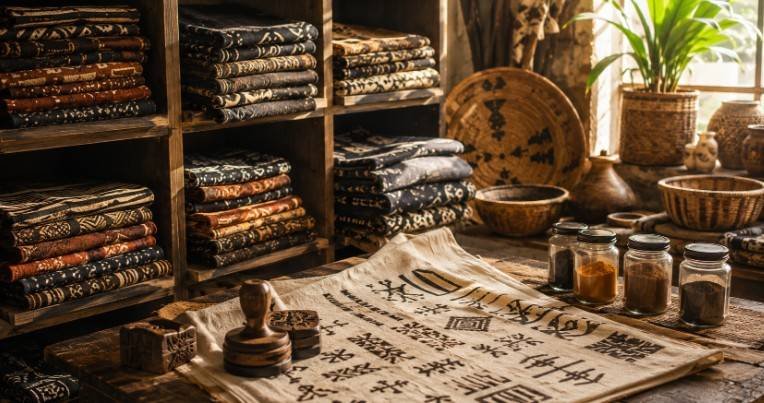
Kuba cloth comes from the Kuba Kingdom in the Democratic Republic of the Congo. Made from raffia palm fibers, it is admired for geometric, maze-like patterns, embroidery, appliqué, and powerful rhythm.
Mudcloth, also called Bògòlanfini, comes from Mali. It uses handwoven cotton dyed with fermented mud and plant materials. Its bold motifs often connect to protection, proverbs, and community knowledge.
Ankara’s Global Journey
Ankara, also called African wax print in many fashion spaces, has a fascinating history of trade, adaptation, and cultural ownership.
Origins In Indonesia
The story of wax print begins partly with Indonesian batik. Batik was traditionally handmade using wax-resist dyeing, where wax protected parts of the cloth from color.
In the nineteenth century, Dutch manufacturers mechanized batik-inspired production to make colorful textiles faster and cheaper. These fabrics reached West and Central Africa through trade routes.
West African Adoption
West African consumers, traders, tailors, and market women gave these imported fabrics new life. They assigned local names, meanings, jokes, emotions, and social messages to abstract designs.
A print could comment on marriage, wealth, politics, friendship, rivalry, celebration, or personal taste. The cloth may have traveled globally, but its cultural identity was shaped through African use.
Economic Shift
Over time, Ankara became a major textile business, with European, Asian, and African manufacturers competing in the market. In Ghana, brands such as GTP became part of efforts to reclaim local production.
Today, African designers use wax print in dresses, jumpsuits, suits, children’s wear, bridal looks, headwraps, bags, and accessories. For fashion brands, fabric origin and designer credit matter.
Symbolism In Fabric
Colors, lines, and motifs in African fabrics often carry cultural meaning, but meanings change by region, group, and occasion.
Colors With Meaning
Color symbolism in African print fashion is one of the most loved parts. Gold can suggest royalty, wealth, prestige, or sacred value. Green often connects with nature, fertility, growth, and land.
Blue may suggest peace, harmony, spirituality, or healing. Red can point to strength, danger, sacrifice, energy, or major life transitions. Black can represent maturity, ancestry, power, or spiritual depth.
Lines, Shapes, And Motifs
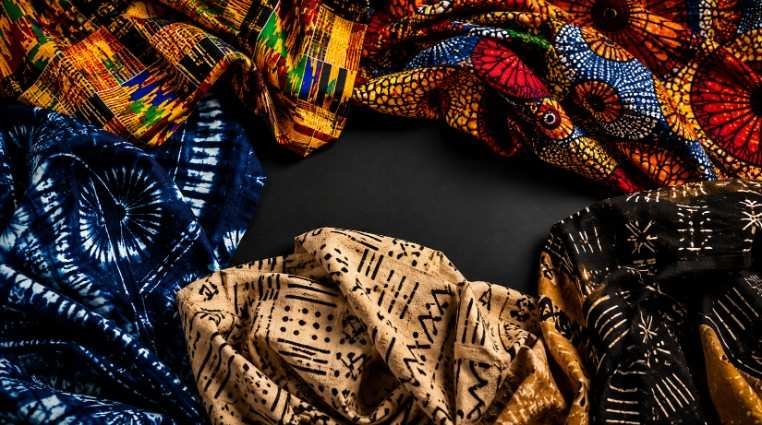
Geometric lines may suggest movement, order, community, continuity, paths, or protection. Spirals can suggest growth, return, or life cycles. Diamonds, grids, and zigzags can create rhythm and visual strength.
Some patterns come from nature, such as plants, rivers, animals, stars, shells, or landscapes. Others reflect proverbs, royal symbols, historical events, or spiritual ideas.
Kanga Messages
Kanga cloth is popular in East Africa, especially in Swahili-speaking communities. These rectangular cotton cloths often include Kiswahili sayings printed along the border.
Women may use Kanga to share advice, affection, humor, social commentary, or mood without speaking directly. The cloth becomes fashion and conversation.
Wear It Well
What is the history of African patterns in real life? It becomes useful when you choose, style, and care for prints with meaning.
Pick A Print With Purpose
Start by choosing one print that catches your eye, then learn its background. Check whether it is Adinkra-inspired, Adire, Kente-inspired, Mudcloth, Kuba-style, Ankara traditional wedding outfits, Kanga, or another tradition.
Next, look for the maker, fabric source, and cultural description. A trustworthy fashion brand should help you understand what you are wearing, not just sell a pretty pattern.
Style With Respect
Let the print lead your outfit. Pair bold African patterns with clean basics, simple jewelry, or one solid color so the design has room to shine.
For a confident look, repeat one color from the print in your shoes, bag, or headwrap. Respect also means avoiding lazy labels, learning names, and supporting African designers, artisans, and transparent sellers.
Modern Print Fashion
From Heritage To Runway
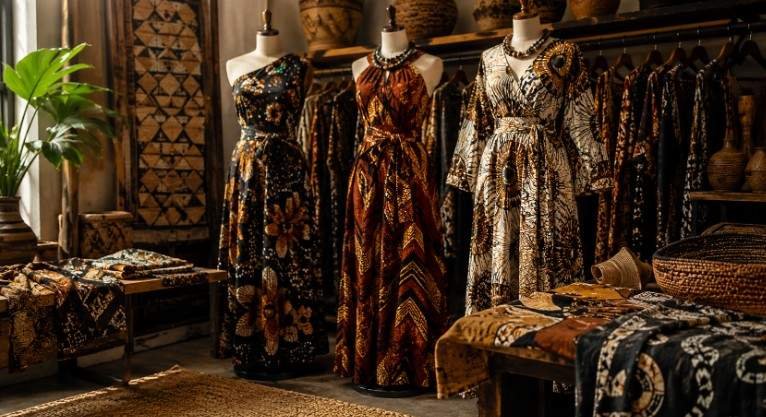
Today, African print fashion appears in streetwear, office wear, luxury collections, resort outfits, bridal looks, children’s fashion, and accessories. Designers mix traditional references with modern cuts.
A Kente-inspired blazer, Adire jumpsuit, Ankara maxi dress, or Mudcloth-style jacket can feel rooted and fresh at the same time. That balance feels exciting.
Diaspora And Identity
For many people in the African diaspora, prints offer connection. A graduation stole, wedding outfit, birthday dress, or family matching set can express pride and belonging.
These clothes can also open conversations. Someone may ask about a symbol, color, or pattern, and suddenly fashion becomes storytelling.
Frequently Asked Questions
1. Where Do African Patterns Originate?
What is the history of African patterns? They originate across Africa in indigenous textiles, pottery, beadwork, wall painting, carving, and body art, with meanings shaped by local cultures and traditions.
2. How Do I Know My Original HiTarget?
To check an original HiTarget fabric, review the selvage branding, print clarity, fabric feel, seller details, and packaging. Reliable vendors should clearly explain origin, quality, and authenticity.
3. What Food Is Most Eaten In Africa?
Africa has no single most eaten food because cuisines differ widely. Common staples include maize, rice, cassava, yams, plantains, millet, sorghum, beans, stews, and regional breads.
4. What Do Different African Patterns Mean?
Different African patterns may represent wisdom, royalty, protection, fertility, peace, ancestry, status, spirituality, or celebration. The exact meaning depends on culture, symbol, color, maker, and occasion.
Final Stitch: Style With Soul
What is the history of African patterns? It is a living story of indigenous skill, spiritual meaning, trade, identity, and creative pride. From Adinkra, Adire, Kuba cloth, Mudcloth, Kanga, and Ankara to today’s African print fashion, every pattern can carry memory. Wear it with curiosity, respect, and joy, and your outfit becomes more than style.