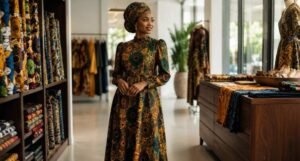
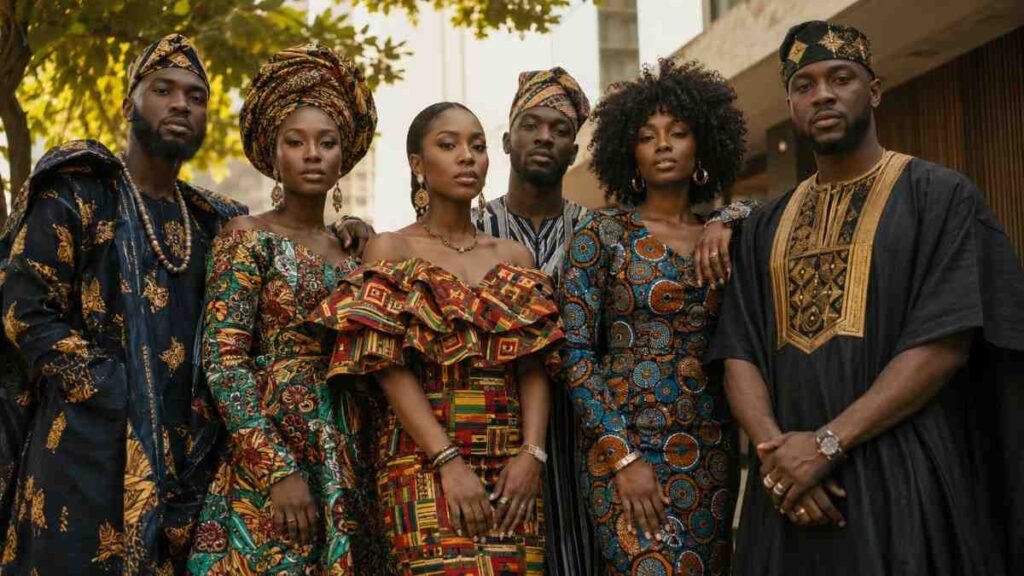
A favorite outfit can feel like home, especially when it carries color, memory, and meaning. African clothing traditional styles do exactly that. They turn fabric into identity, blending heritage with modern African print fashion for weddings, workdays, family gatherings, church, travel, and confident everyday personal dressing.
Iconic Garments And Styles
These well-known garments show how wide and expressive traditional African attire can be across regions.
Agbada And Boubou
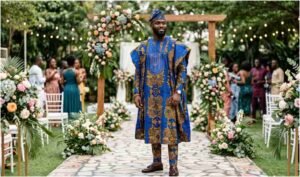
Agbada and Boubou styles are known for flowing shape, generous sleeves, and regal presence. For Agbada is especially popular in West Africa, often worn with an inner tunic and trousers.
Embroidery around the neckline and chest can make the outfit feel formal, luxurious, and celebration-ready. Today, women also wear Agbada-inspired looks with sharp tailoring and elegant accessories.
Boubou styles are loved for comfort and grace. They work for religious gatherings, weddings, cultural events, and family occasions where a relaxed fit still looks polished.
Dashiki And Kaftan
The Dashiki is a colorful, loose V-neck pullover that has become popular worldwide. It is comfortable in warm weather and instantly recognizable in African print fashion.
A Dashiki can be styled casually with denim, linen pants, or sandals. For a dressier look, choose richer fabric, embroidery, or a coordinated set with tailored trousers.
The Senegalese Kaftan is another refined option. This long tunic, often worn with drawstring pants, gives a clean silhouette that feels traditional without being hard to style.
Kanga, Kitenge, Gomesi, And Dirac
Kanga and Kitenge fabrics are common in East Africa and are loved for brightness, versatility, and daily usefulness. Kangas often include borders and printed sayings.
The Gomesi is a floor-length Ugandan dress known for square shoulders, a sash, and graceful volume. It is often worn for weddings, introductions, and African traditional ceremonies.
Somali attire such as the Dirac is light, flowing, and elegant, often paired with vibrant color and embroidery. These garments adapt to climate, movement, and modest style.
Common And Notable Fabrics
Fabric gives African print fashion its voice, from symbolic woven cloth to bold cotton prints.
Ankara Wax Print
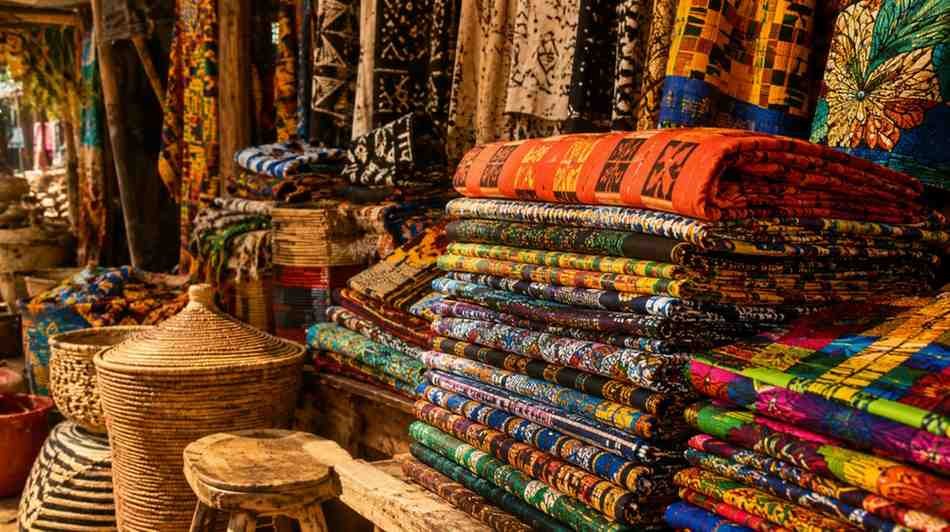
Ankara, also called African wax print, is one of the most recognized fabrics in modern African fashion. It is usually cotton and known for colorful wax-resist patterns.
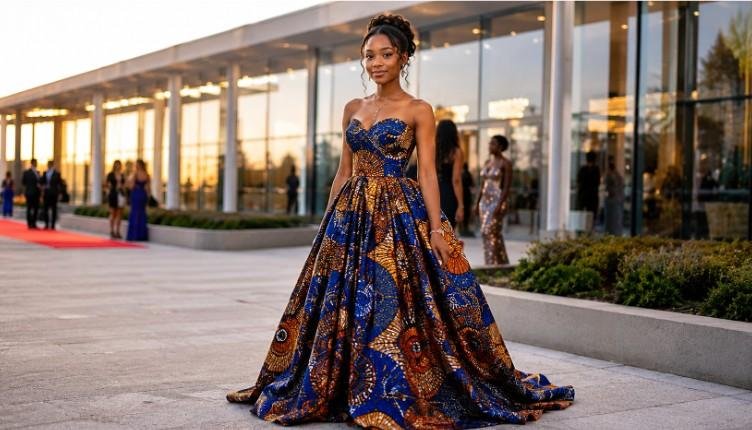
Its biggest strength is versatility. Ankara works for skirts, shirts, dresses, headwraps, trousers, bags, jumpsuits, blazers, kidswear, and formal gowns.
For real-life wear, Ankara is often the easiest starting point. A print dress, wrap skirt, or button-down shirt can bring African clothing traditional influence into daily style.
Kente And Aso Oke
Kente is a famous handwoven textile from Ghana, known for geometric patterns and vibrant colors. Traditionally, colors and arrangements can communicate royalty, strength, growth, peace, and wisdom.
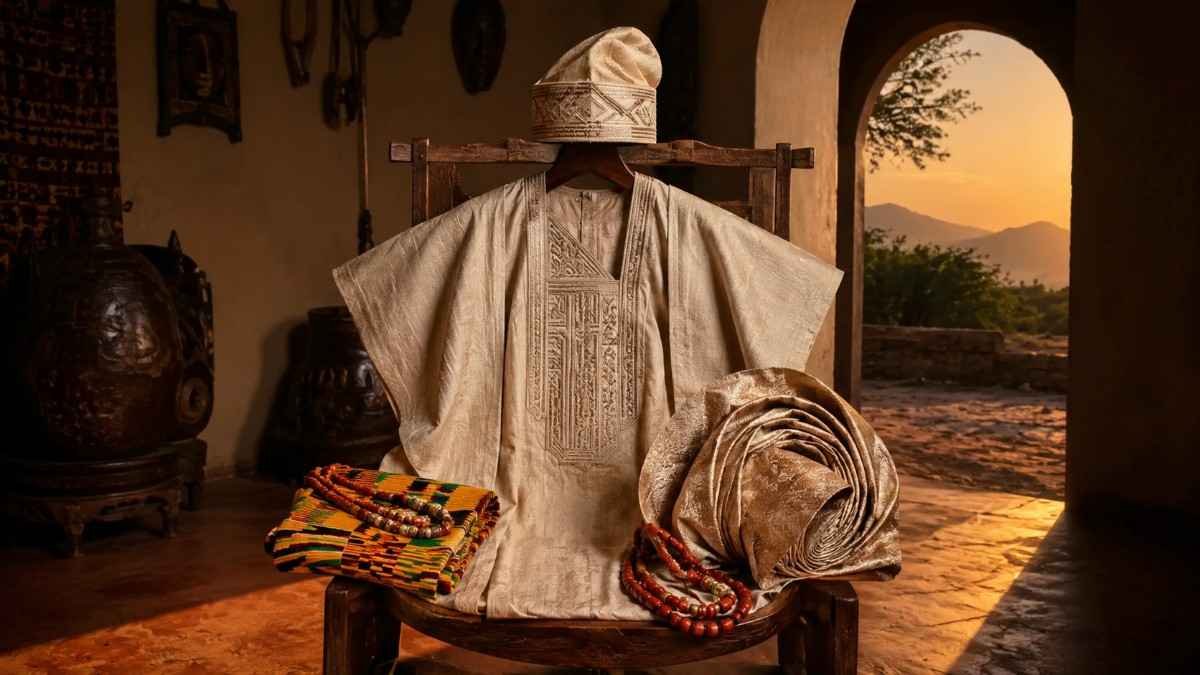
Aso Oke is a prized handwoven Yoruba cloth from Nigeria. It is often used for wrappers, caps, sashes, and Gele headwraps at weddings and milestone events.
Both fabrics feel special because they are connected to ceremony and status. Even a stole, clutch, cap, or headwrap can make an outfit feel culturally rich.
Mudcloth And Indigo Textiles
Mudcloth, or Bogolanfini, comes from Mali and is traditionally dyed with fermented mud. Its earthy tones and symbolic patterns suit jackets, accessories, and statement outfits.
Indigo textiles, including Adire from Yoruba tradition, bring calmer but equally powerful beauty. Their resist-dyed patterns often feel handmade, artistic, and timeless.
These fabrics are perfect for shoppers who want meaning with subtlety. They pair well with neutral basics, handmade jewelry, leather sandals, and clean silhouettes.
Cultural Significance
Traditional African garments express identity like a visual language before anyone speaks a word.
Colors And Motifs
Colors can carry emotional, social, or ceremonial meaning. Gold may suggest royalty, green can reflect life, white can signal peace, and red may express strength.
Patterns and motifs can also speak. Some designs refer to proverbs, family values, history, status, protection, spirituality, or community memory.
Meanings shift by country, ethnic group, occasion, and maker, so thoughtful styling begins with curiosity. A print may look beautiful, but its background adds richness.
Identity And Occasion
Clothing can show age, marital status, clan identity, social standing, faith, or celebration. A wedding look may be grand, while everyday attire may be simpler.
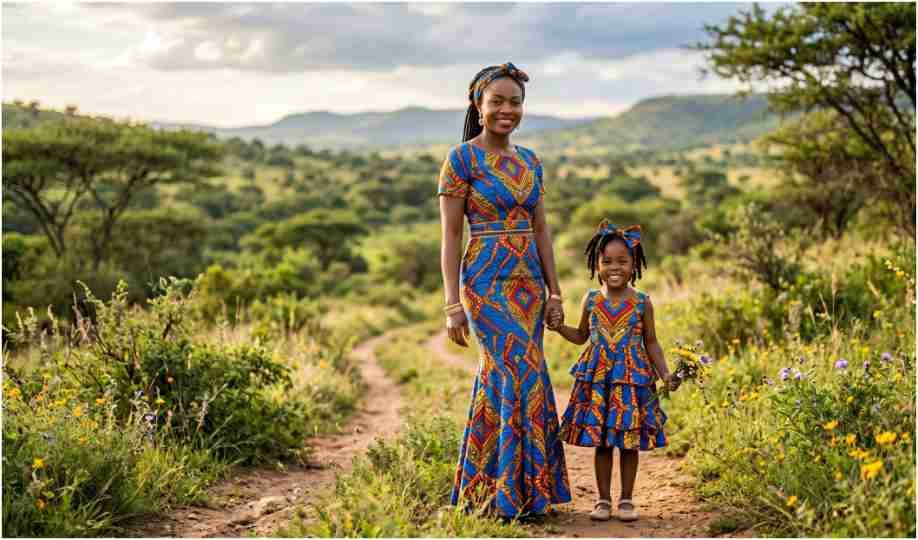
Family matching outfits create unity in photos, ceremonies, church services, birthdays, and cultural festivals. In many communities, coordinated fabric shows belonging.
Modern Afrocentric fashion keeps these ideas alive. It blends traditional garments with ready-to-wear cuts, making cultural style accessible for work, travel, dates, and events.
Wear African Clothing Traditional With Style
Use these simple steps to make African clothing traditional pieces feel natural, respectful, and stylish in real life.
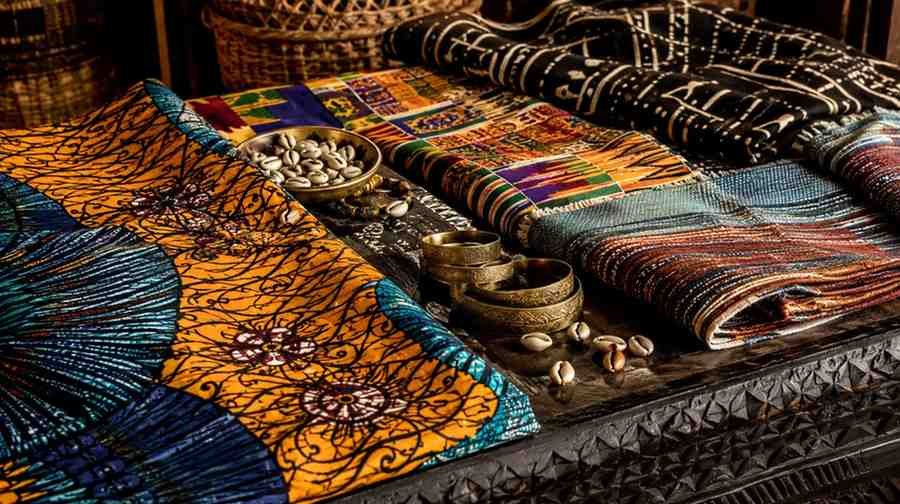
Pick Your Main Piece
Start with one hero item. Choose an Ankara dress, Dashiki shirt, Kente scarf, Kitenge skirt, Mudcloth jacket, Boubou, Agbada-inspired set, or headwrap.
Let the garment lead the outfit. Pair it with simple shoes, clean jewelry, and solid colors so the print remains the focus.
Fit matters as much as fabric. A well-tailored piece looks intentional, flatters your shape, and helps traditional African clothing feel modern, confident, and easy.
Match Fabric To Occasion
For everyday wear, choose breathable cotton, relaxed cuts, wrap dresses, tunics, skirts, and shirts. These pieces are comfortable for errands, meetups, and warm weather.
For weddings, graduations, church, naming ceremonies, or cultural celebrations, go richer. Think Kente, Aso Oke, lace details, embroidery, Gele, Boubou, or Agbada.
For African print office styling, keep the print controlled. An African print blazer, pencil skirt, scarf, or blouse can look professional with neutral trousers or loafers.
Shop With Respect
Buy from brands that explain garment names, fabric care, sizing, and cultural inspiration. Transparent product pages build trust and help shoppers understand what they are wearing.
Look for clean stitching, matched patterns, lined areas where needed, strong seams, and quality finishing. Beautiful African print fashion should last beyond one event.
Most importantly, avoid treating traditional attire as a costume. Wear it with appreciation, learn its background, and choose pieces that celebrate African creativity.
Frequently Asked Questions
1. What Does African Clothing Traditional Mean?
African clothing traditional refers to culturally rooted garments, fabrics, and styling practices from different African regions, including ceremonial wear, everyday attire, symbolic textiles, and modern African print fashion.
2. Is Ankara The Same As Traditional African Clothing?
Ankara is widely used in African fashion, but it is one fabric style, not the whole tradition. Traditional clothing also includes Kente, Aso Oke, Boubou, Agbada, Kanga, and more.
3. Can I Wear African Prints Every Day?
4. How Do I Style African Clothing Traditional Respectfully?
Learn the garment name, understand the fabric or occasion, buy from thoughtful brands, and avoid costume-like styling. Respectful fashion celebrates culture while keeping your look authentic.
Final Flourish: Wear The Story Well
African clothing traditional fashion brings history, artistry, and personality into one beautiful wardrobe language. From Ankara and Kente to Agbada, Boubou, Dashiki, Kitenge, Aso Oke, and Mudcloth, every piece can carry meaning. Choose quality, learn the story, style with confidence, and let African print fashion turn everyday dressing into something joyful, rooted, expressive, meaningful, and unforgettable with ease every single day.