
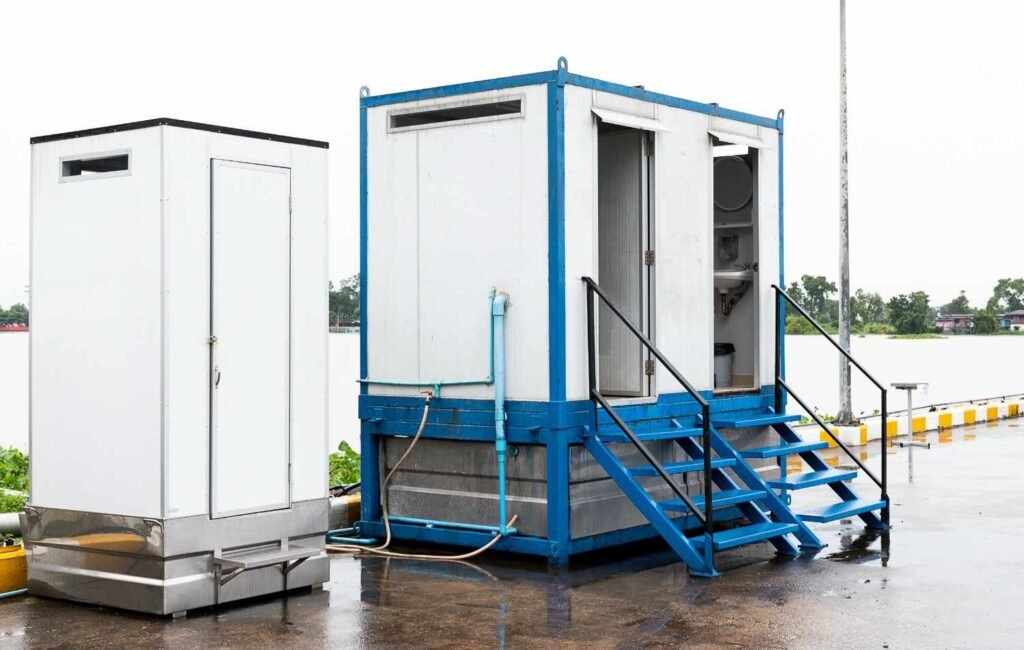
You need to keep the place clean and follow health rules in 2026. A job site is only safe when you do this. It is a big mistake for any contractor to use bad or poorly kept facilities with big groups of workers. Using only the lowest standard facilities lets you meet the law basics, but nothing else. All other needs, like keeping your team working well, making sure buildings have good airflow, and cutting downtime between shifts, are left out.
When on-site safety rules change and project deadlines are tight, people need to stay in charge of their waste setup at work. If project managers view website, they can see heavy-duty portable toilet options made for a lot of use on busy job sites. These tough units help keep day-to-day safety strong, and your work plan stays on track.
Key Takeaways
- Standard commercial setups need planned placement grids. These grids help cut down worker travel time.
- Tough builds stop damage from rough and hard use at job sites.
- Weekly upkeep stops harmful waste from building up. It also keeps strong chemical smells under control.
- Built-in handwashing stations meet health needs. They help lower the chance that germs will spread.
What Are the Critical Elements of Construction Site Sanitation?
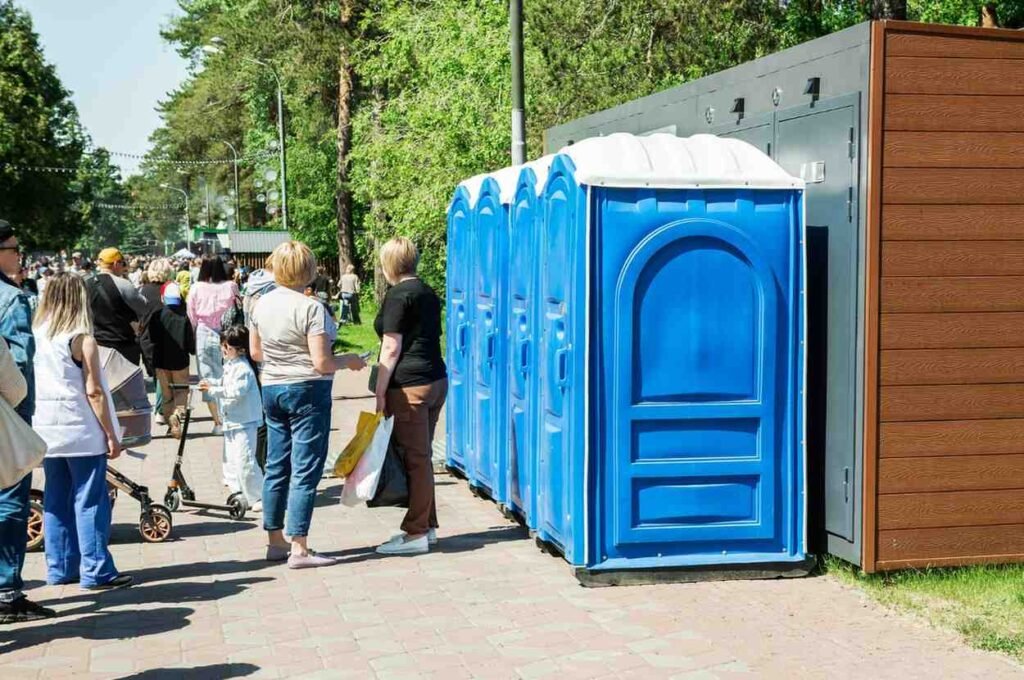
- OSHA-compliant structural designs: Industrial-grade mobile restrooms be made to meet health and safety rules for big work crews.
- Reinforced exterior walls: Thick, tough polyethylene housings stand up to bad weather and lots of use every day. They do not crack.
- Ventilated interior pathways: Roof vents always let fresh air flow in and out. That helps cut down on smell and damp inside the unit.
- Slip-resistant interior flooring: Deep textured floors give better grip to stop falls when the floor is wet or muddy.
- Secure, anti-microbial surfaces: Smooth handles and inside surfaces be easy to clean fast with chemicals. That can be done during routine maintenance breaks.
- Large-capacity containment cells: Big waste holders keep plenty inside. That helps the unit stay safe and not overflow.
How Do Different Field Sanitation Setups Perform?
Unit Architecture |
Primary Material Profile |
Interior Component Focus |
Core Field Advantage |
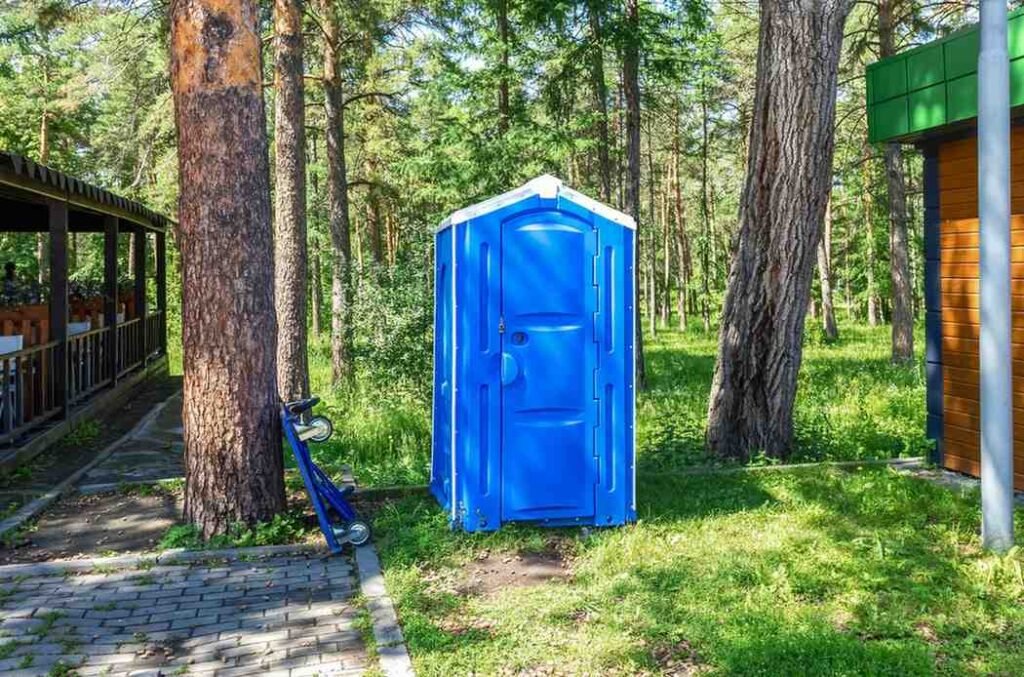
Standard Site Restroom |
Rugged molded polyethylene |
Static holding cell, ventilation stack |
Highly mobile, budget-friendly layout |
Deluxe Hygiene Unit |
Reinforced composite plastic |
Hand-pump sink, internal hand towel rack |
Combines waste storage with on-site washing |
Standalone Wash Station |
Weatherproof impact plastic |
Dual-foot pumps, multi-user basins |
Minimizes handwashing lines for large crews |
Which Routine Servicing Steps Guard Job Site Health?
- Deep-vacuum pumping routines have to be done on a set day each week. This helps clear all the heavy waste without any spill.
- Chemical re-charging processes change the fluids right away. These put fresh deodorizers in the main tank.
- Supply replenishment checks make sure commercial-grade toilet paper and hand sanitizers are always there for people to use every day.
Keeping the field in good shape helps keep everyone happy at work and makes sure you can count on the rules staying the same. When you choose how your space will look, you need to plan along with your team size and your build schedule. It is important to know the big differences between unmanaged single units and a full cleaning system. This keeps your company safe from breaking the law. In the end, taking some time to view website can turn a field tool into something you and your team will trust. It will work well every time and handle any job.