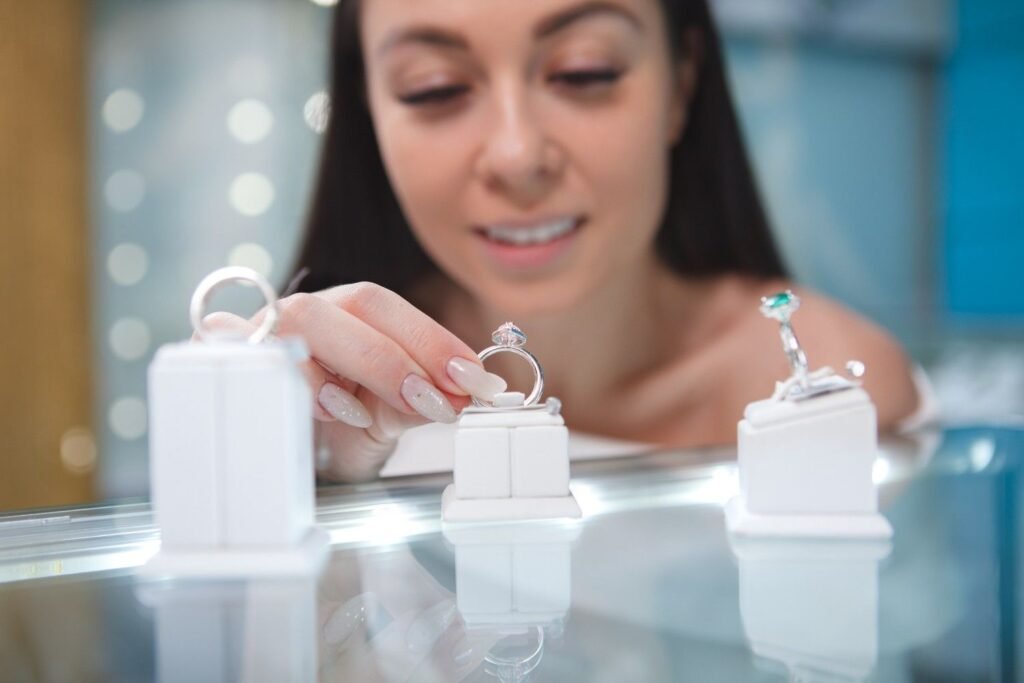
Choosing an engagement ring feels exciting, emotional, and a little overwhelming. When I started comparing diamond options, I quickly understood why lab grown diamond engagement rings have become such a popular choice for US couples. They offer the same sparkle, durability, and beauty as mined diamonds, but they usually cost much less.
Industry reports and jewelry retailers now show a major shift toward lab-created diamond engagement rings, especially among younger American buyers who want bigger stones, better clarity, and smarter value.
Some market discussions estimate that lab-grown diamonds now appear in more than half of US engagement ring sales. For many couples, the reason is simple: the ring looks stunning, the diamond is real, and the budget stretches further.
What Are Lab-Grown Diamond Engagement Rings?
Lab-grown diamonds are real diamonds created in a controlled lab instead of mined from the earth. They have the same chemical structure, optical properties, and physical hardness as natural diamonds. That means they are not cubic zirconia, glass, or moissanite.
A lab-created diamond forms through advanced technology such as CVD (chemical vapor deposition) or HPHT, which recreates the conditions needed to grow diamond crystal. Once experts cut and polish the stone, most people cannot tell the difference between a lab-grown and mined diamond without professional equipment or a grading report.
This makes lab diamond rings a practical choice for engagement jewelry. They rank 10 on the Mohs hardness scale, so they can handle daily wear, handwashing, office work, travel, and normal lifestyle use.
Why US Couples Are Choosing Lab Diamond Rings
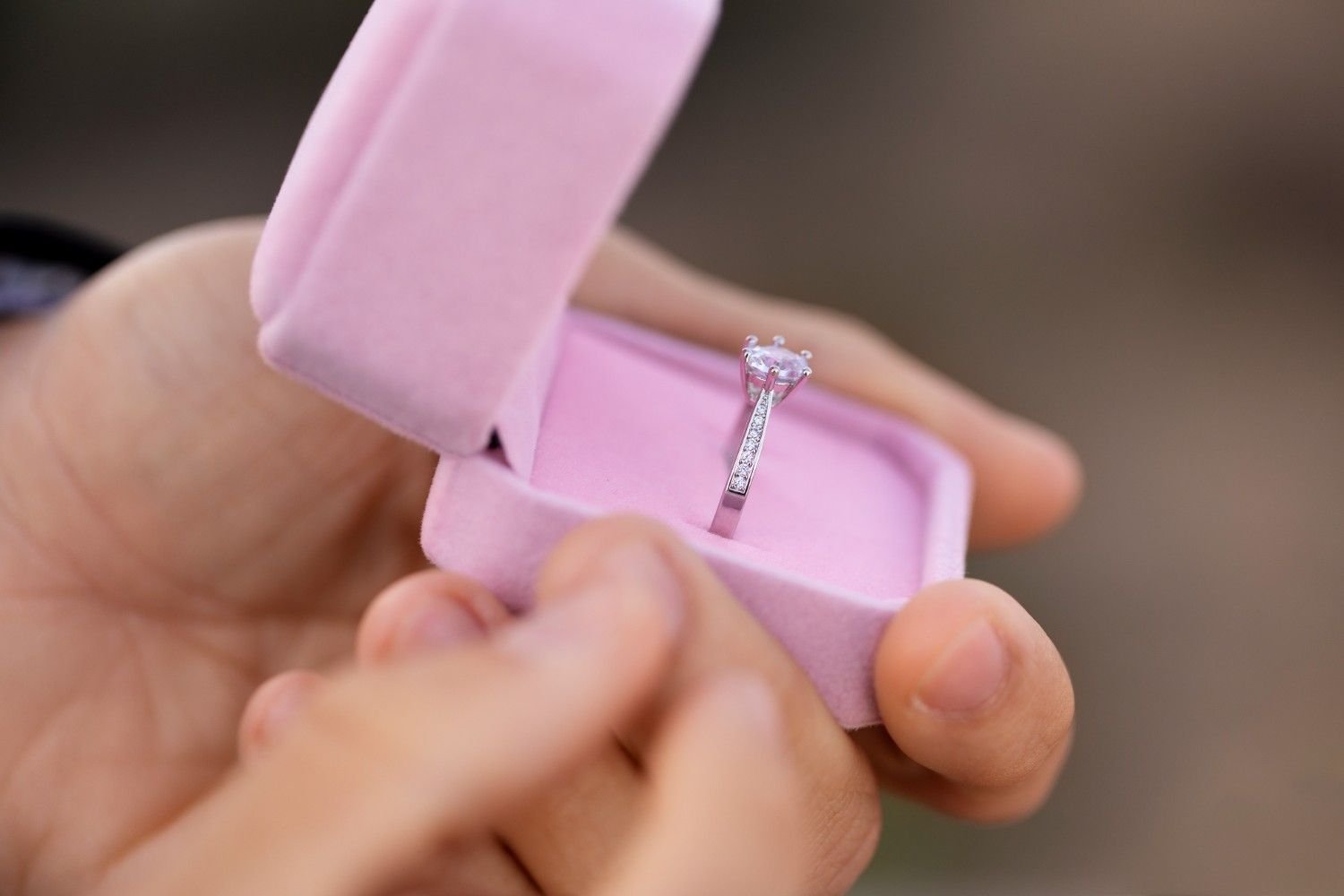
The biggest reason is value. Lab-grown diamonds often cost 50% to 90% less than mined diamonds of similar quality, depending on size, cut, color, clarity, and retailer. That price gap allows you to choose a larger carat, higher clarity, better cut, or more detailed setting without overspending.
I also think many buyers like the flexibility. Instead of feeling forced to choose between size and quality, you can build a ring that feels closer to your dream design. A couple shopping for a 1-carat natural diamond may be able to consider a 1.5-carat or 2-carat lab-grown stone within a similar budget.
For US shoppers dealing with wedding costs, housing costs, travel plans, and family expenses, that difference matters. The best ring should feel meaningful without creating financial worries.
Lab-Grown vs Mined Diamonds: What Is the Real Difference?
The main difference is origin. A mined diamond forms naturally underground over millions of years, while a lab-grown diamond forms in a controlled setting within weeks.
Both can look identical when cut well. Both can sparkle beautifully. Both can come with GIA, IGI, or GCAL certification. However, natural diamonds usually cost more because of rarity, mining, supply chains, and traditional demand.
The biggest drawback of lab-grown diamonds is resale value. I would not buy one as an investment. Lab diamonds usually resell for much less than their original price because supply continues to grow. If you choose one, buy it for beauty, daily wear, and immediate savings, not future resale.
How to Choose the Best Lab-Created Diamond Engagement Ring
A smart purchase starts with the 4Cs: cut, color, clarity, and carat. Cut should come first because it controls brilliance. I would rather choose a smaller Ideal or Excellent cut diamond than a larger stone that looks dull.
Color matters too. Many shoppers choose near-colorless grades because they look bright while keeping the price reasonable. Clarity tells you how clean the diamond looks. You do not always need a flawless stone. In most cases, an eye-clean VS or SI diamond can look beautiful in a ring.
Carat affects size and price, but it should not be your only focus. Some shapes, such as oval, pear, radiant, and emerald, can appear larger on the finger than a round diamond of the same weight.
Why Certification Is Non-Negotiable
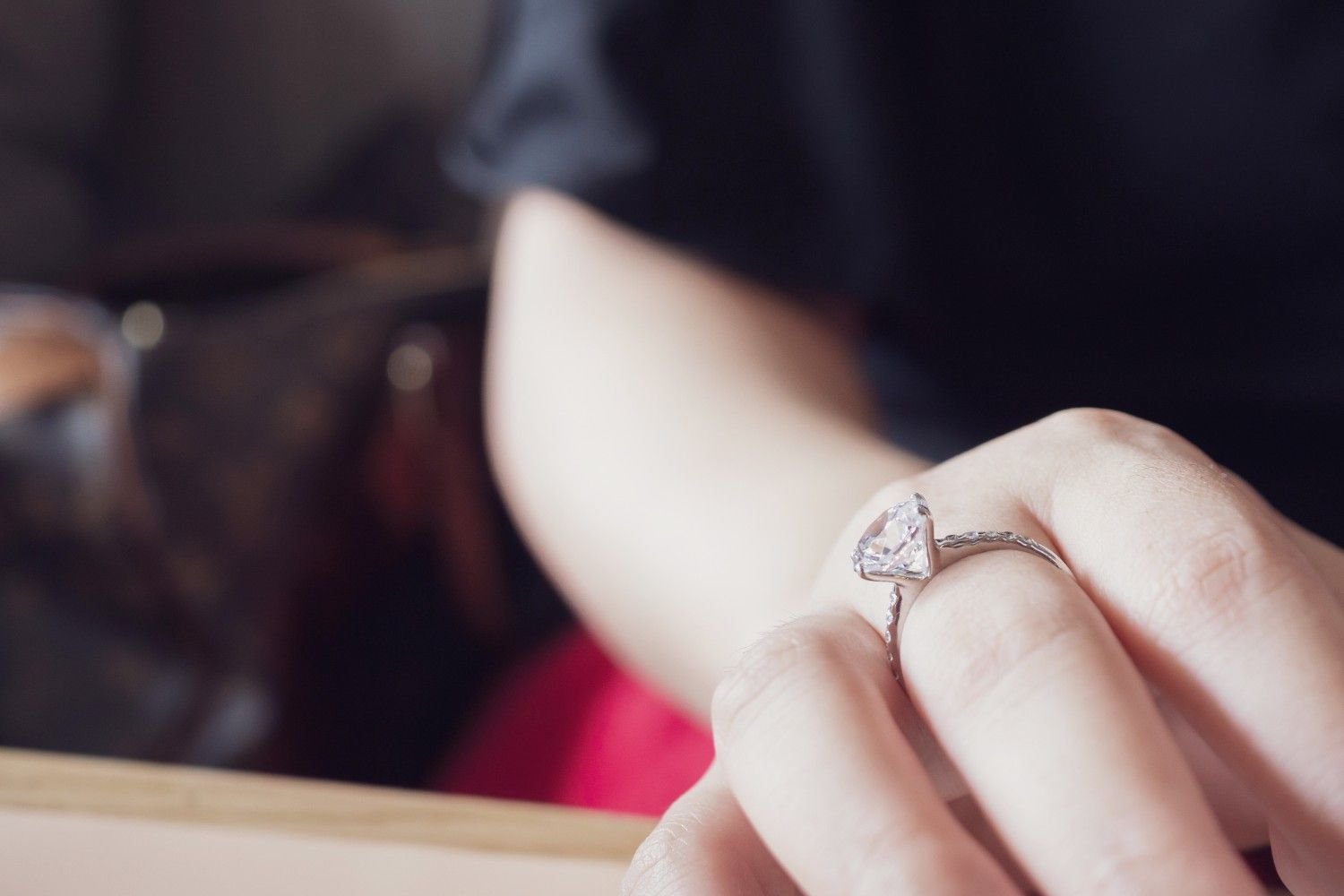
Always require certification before buying a center stone. A trusted grading report from GIA, IGI, or GCAL confirms the diamond’s cut, color, clarity, carat weight, measurements, and lab-grown origin.
Certification protects you from vague descriptions and inflated pricing. It also helps you compare stones across retailers. If a jeweler cannot provide a proper grading report, I would skip that stone.
For shoppers who want the highest chemical purity, Type IIa diamonds are worth knowing about. Type IIa stones contain very little nitrogen, which makes them chemically pure and often highly transparent. You do not need Type IIa to get a beautiful ring, but it can be a premium detail for buyers who want a top-grade lab diamond.
Best Ring Styles for US Buyers Right Now
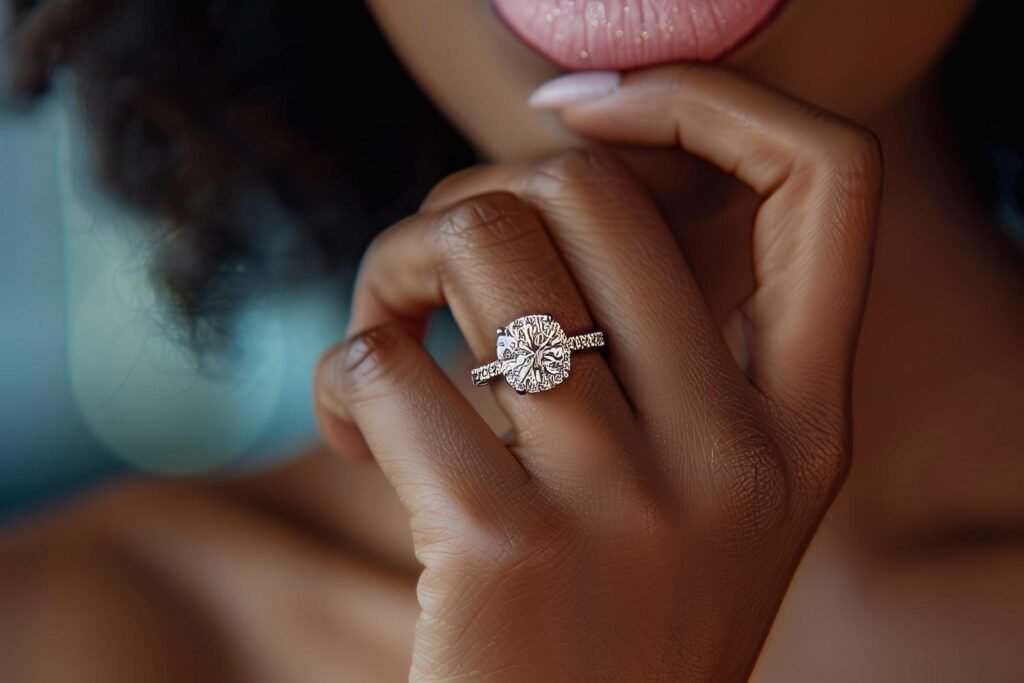
Solitaire rings remain the most timeless choice because they keep all attention on the center diamond. Oval solitaires are especially popular because they look elegant and often appear larger on the finger.
Hidden halo settings add sparkle from the side without making the ring look too flashy. Pavé bands create extra brilliance across the finger. Three-stone rings feel symbolic because they represent the past, present, and future. Bezel settings work well for active lifestyles because the metal protects the stone.
Vintage-inspired settings are also trending among US buyers. Many couples like old mine cuts, cushion cuts, milgrain details, and romantic designs that feel personal rather than generic.
Top US Retailers for Lab-Grown Rings
Blue Nile is a trusted choice for shoppers who want a large online inventory, GIA or IGI-graded stones, and a polished customer experience. It offers many lab-grown diamond options across classic ring styles.
Brilliant Earth stands out for buyers who care about sustainability, recycled metals, and unique settings. It has strong appeal for couples looking for vintage-inspired, ethical, or design-forward rings.
James Allen is useful if you want to inspect diamonds closely before buying. Its 360-degree, high-definition viewing tools let you examine stones in detail, which can make online shopping feel less risky.
Grown Brilliance works well for custom lab-grown engagement rings. Its custom design service can help buyers create a personal ring, and the brand promotes fast custom production timelines.
With Clarity is known for at-home replica ring try-ons, which can help buyers see how different designs look before committing. This is helpful if you feel unsure about shape, setting height, or band style.
Ritani is strong for price transparency. It shows diamond cost breakdowns, including wholesale cost, fulfillment, and markup, which helps shoppers understand what they are paying for.
How Much Should You Spend?
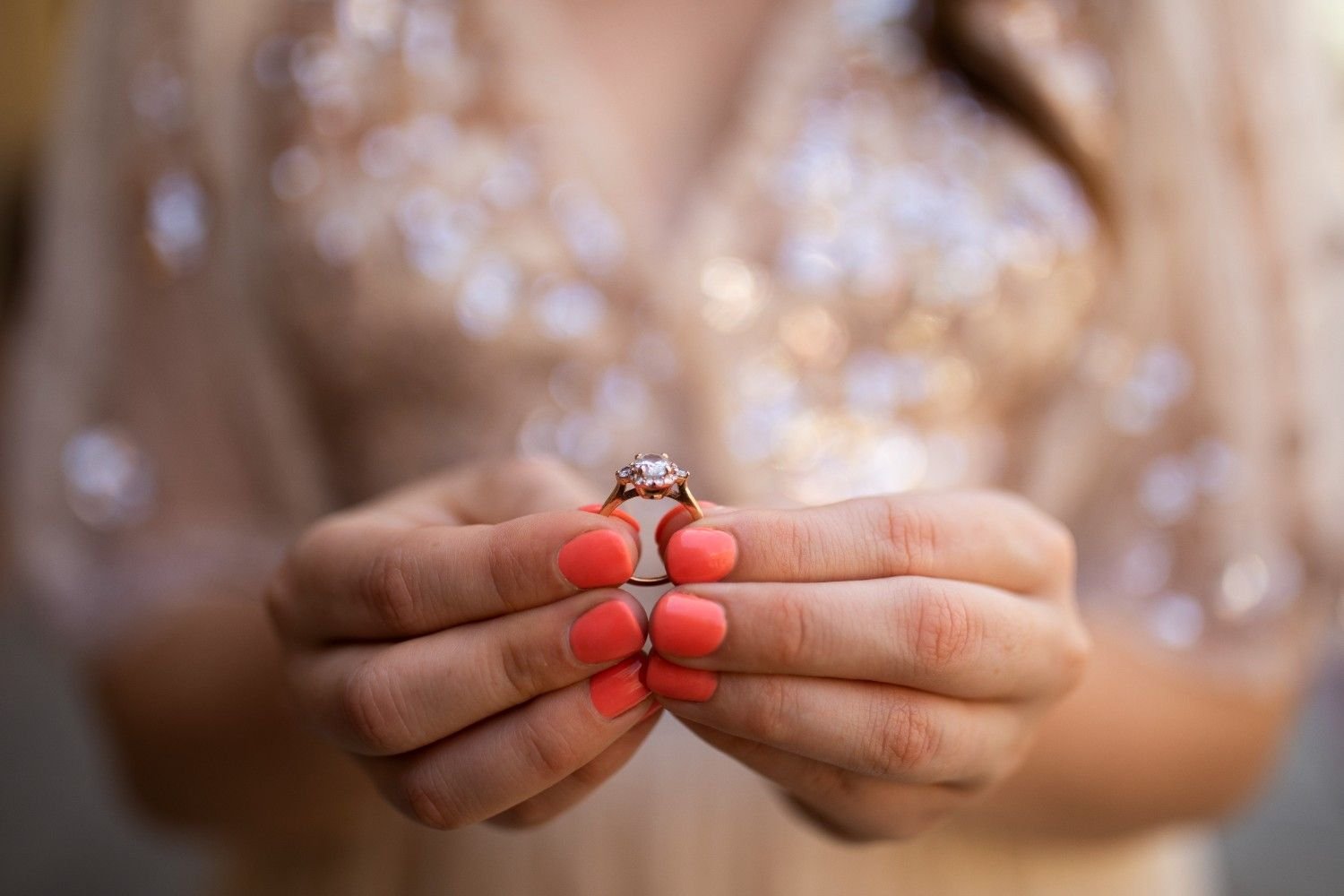
There is no perfect rule. I would ignore the old “three months’ salary” idea and choose a budget that fits your life.
Many 1-carat lab-grown center stones start around the low thousands, depending on quality and retailer. Blue Nile, James Allen, Brilliant Earth, Ritani, With Clarity, and similar retailers often show different pricing based on grading lab, shape, setting, and service benefits.
If your budget is under $1,500, you can still find simple and elegant designs. Between $1,500 and $3,500, you can explore larger stones, oval cuts, pavé bands, and hidden halos. Above $3,500, you can often build a more detailed ring with a larger center diamond or premium specs.
Common Mistakes to Avoid Before Buying
The biggest mistake is buying only by carat size. A large diamond with poor cut quality will not sparkle the way you expect. Another mistake is ignoring certification. Without a grading report, you cannot confirm what you are buying.
I would also check return policies, resizing options, warranty coverage, shipping protection, and cleaning services. If you buy online, look for high-quality videos, clear photos, and transparent grading details.
Finally, be honest about resale. Lab-grown rings offer strong upfront value, but they usually do not hold resale value like rare natural diamonds. That does not make them a bad choice. It simply means you should buy for love, style, and savings.
FAQs About Lab-Grown Diamond Rings
1. Are lab-grown diamonds real diamonds?
Yes, lab-grown diamonds are real diamonds. They have the same chemical structure and hardness as mined diamonds. The difference is that they are created in a lab instead of formed underground.
2. Are lab-grown rings cheaper than mined diamond rings?
Yes, they usually cost much less. Many lab-grown diamonds cost 50% to 90% less than comparable mined diamonds, which helps buyers choose bigger or clearer stones.
3. Which grading lab is best for lab-grown diamonds?
GIA, IGI, and GCAL are commonly used for certified lab-grown diamonds. I would always ask for a grading report before buying a center stone.
4. Do lab-grown diamonds have good resale value?
Usually, no. Lab-grown diamonds are best for beauty and savings, not investment. Their resale value can be lower because supply is high and prices continue to change.
5. Which retailer is best for buying online?
It depends on your priority. James Allen is strong for 360-degree viewing, Ritani for pricing transparency, Blue Nile for trust, Brilliant Earth for sustainable designs, Grown Brilliance for custom work, and With Clarity for home previews.
Final Takeaway
I believe lab grown diamond engagement rings are one of the smartest choices for modern US couples who want beauty, quality, and value in one ring. They give you the freedom to choose a larger stone, better cut, clearer diamond, or more personal setting without stretching your budget too far. They also make a meaningful choice for anyone exploring best jewelry gifts for a girlfriend, especially when the occasion calls for something timeless and personal.
The best choice comes down to certification, cut quality, retailer trust, setting style, and long-term comfort. If you focus on those details, you can buy a ring that looks stunning today and still feels meaningful for years.