Weddings often reveal what a culture values most. Beyond the decorations, clothing, and celebrations, they tell stories about family, identity, history, and community. That is one reason African wedding traditions continue to fascinate people around the world. These ceremonies are not simply about two individuals getting married. They are often about bringing together families, honoring ancestors, and strengthening bonds that extend far beyond the wedding day.
One of the most beautiful aspects of traditional African weddings is their diversity. Africa is home to thousands of ethnic groups, languages, and cultural practices, which means there is no single way to celebrate marriage. Yet across many communities, common themes emerge: respect for family, gratitude for previous generations, and a deep understanding that marriage is a union that connects entire communities rather than just two people.
Why Symbolism Plays Such an Important Role?
Many African wedding ceremonies include rituals that carry meanings passed down through generations. These customs are rarely performed for decoration alone. Every gesture, gift, fabric, and ceremony often represents a larger cultural message about commitment, responsibility, and unity.
Marriage Is Seen as More Than a Personal Commitment
In many traditional African cultures, marriage represents the joining of two families rather than simply a partnership between two individuals. Parents, grandparents, extended relatives, and community elders frequently play important roles throughout the wedding process.
This broader perspective helps explain why many wedding traditions place such a strong emphasis on family involvement. The ceremony becomes a celebration of shared history, future support, and collective responsibility.
Rituals Often Reflect Life’s Journey
Many symbolic customs acknowledge that marriage will include both joyful and difficult moments. Rather than presenting marriage as a perfect fairytale, these traditions often recognize the realities of life while emphasizing resilience and partnership.
Among Yoruba wedding customs, for example, couples may participate in a tasting ceremony involving different flavors that represent various experiences they may encounter together. Sweet, sour, bitter, and spicy tastes symbolize the challenges and rewards that come with building a life as a couple.
Honoring Ancestors Through Ceremony
Respect for ancestors remains a significant part of many African wedding traditions. Across numerous communities, weddings serve as opportunities to recognize previous generations and seek blessings for the future.
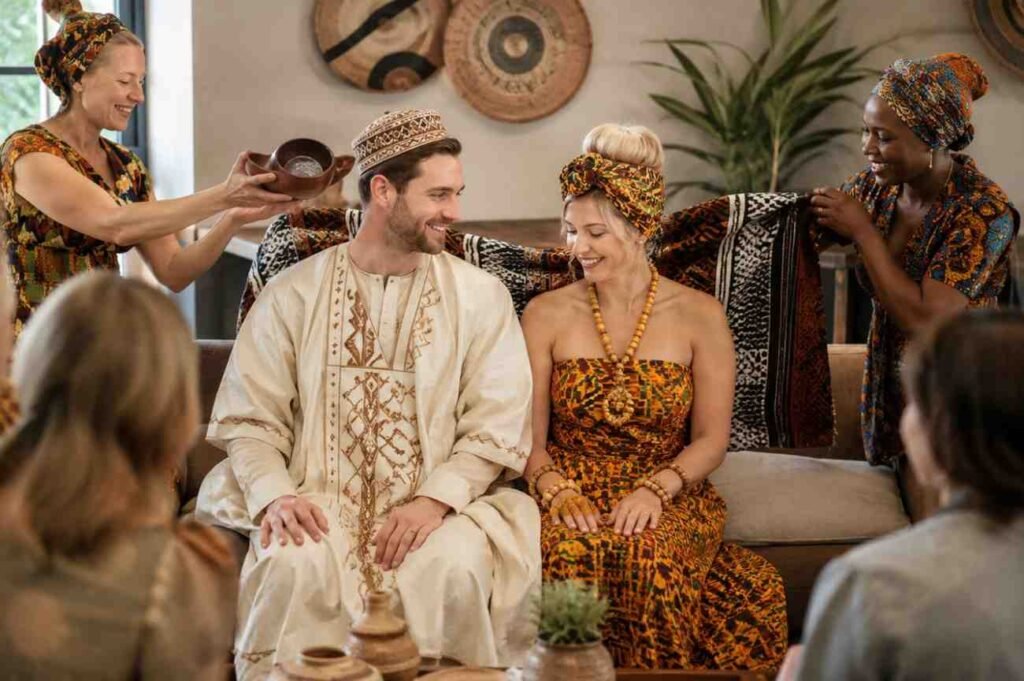
The Meaning Behind the Libation Ceremony
One of the most widely recognized rituals is the libation ceremony. Practiced in various forms across countries such as Ghana and Nigeria, this tradition involves pouring water, wine, or another liquid onto the ground while offering prayers or words of remembrance.
The act symbolizes communication with ancestors and acknowledges the generations that came before. It reflects the belief that family connections extend beyond the present and that honoring those connections strengthens the foundation of a marriage.
For many families, this ceremony serves as a reminder that weddings are not isolated events. They are part of a much larger story that spans generations.
The Powerful Language of Traditional Attire
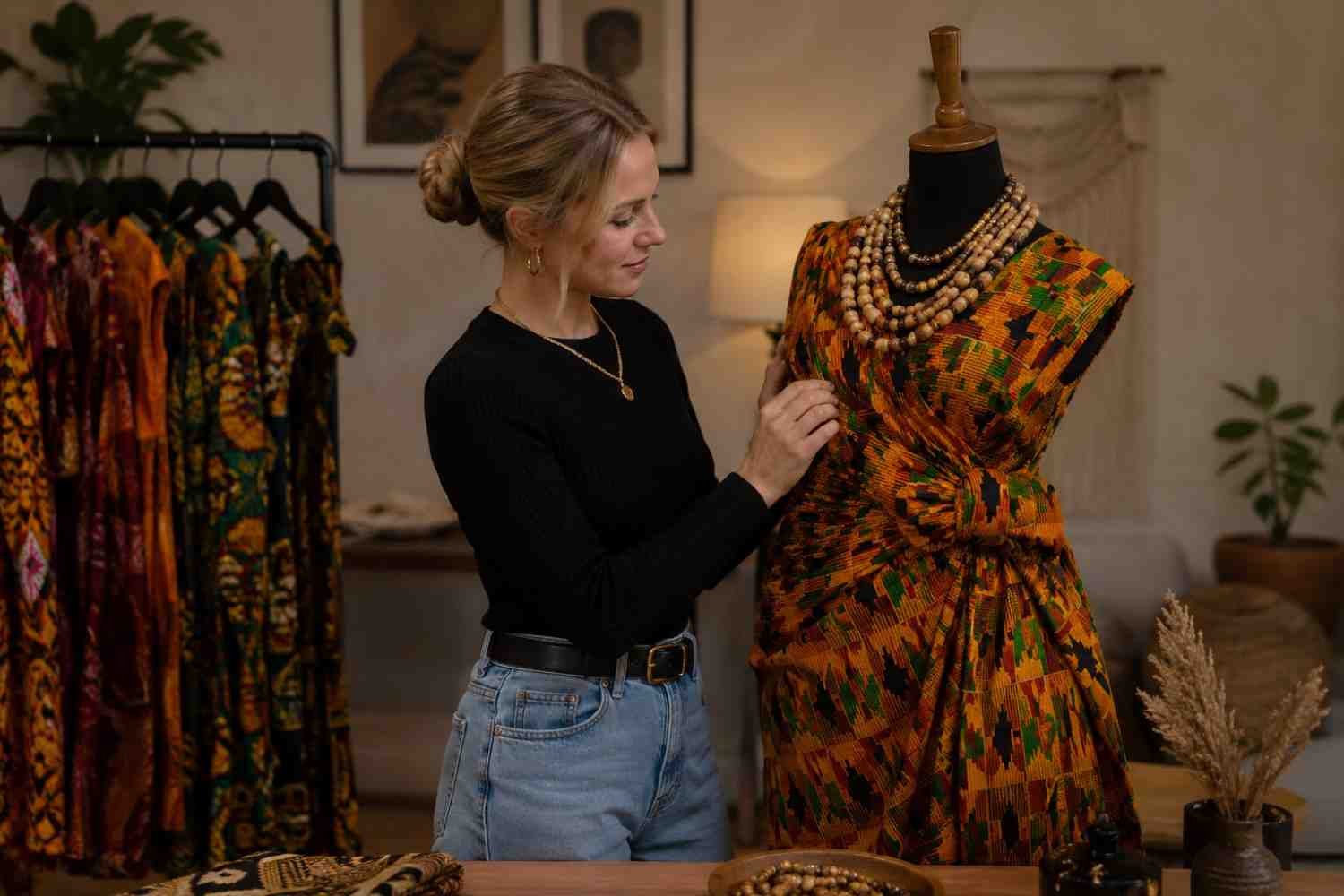
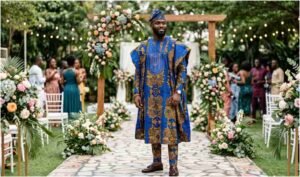
Traditional African wedding attire often carries meaning far beyond aesthetics. Colors, patterns, fabrics, and accessories frequently communicate values, aspirations, and cultural identity.
Kente Cloth and Cultural Heritage
Among the Akan people of Ghana, Kente cloth remains one of the most recognizable ceremonial fabrics. Known for its intricate geometric designs and vibrant colors, Kente is often associated with royalty, wisdom, creativity, and spiritual values.
Each pattern and color combination can communicate a different message. Wearing Kente during a wedding connects the couple to generations of cultural history while celebrating the significance of the occasion.
Aso Ebi and Community Unity
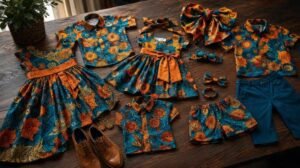
In Nigeria, Aso Ebi plays a central role in many wedding celebrations. Family members and guests wear coordinated fabrics chosen specifically for the event.
The tradition creates a powerful visual expression of support and togetherness. When large groups wear matching attire, it symbolizes solidarity and demonstrates that the couple is surrounded by a strong network of family and friends.
This tradition continues to thrive today because it beautifully reflects the importance of community participation and preserving cultural traditions across generations.
The Symbolism of Color
Colors used in African wedding attire often carry intentional meanings.
Gold frequently represents prosperity and success. Green is commonly associated with fertility, growth, and the land. Purple may symbolize royalty and dignity, while red can honor sacrifice, strength, and historical resilience.
These choices transform wedding attire into a form of storytelling that reflects hopes and values for the couple’s future.
Customs That Celebrate Unity and Commitment
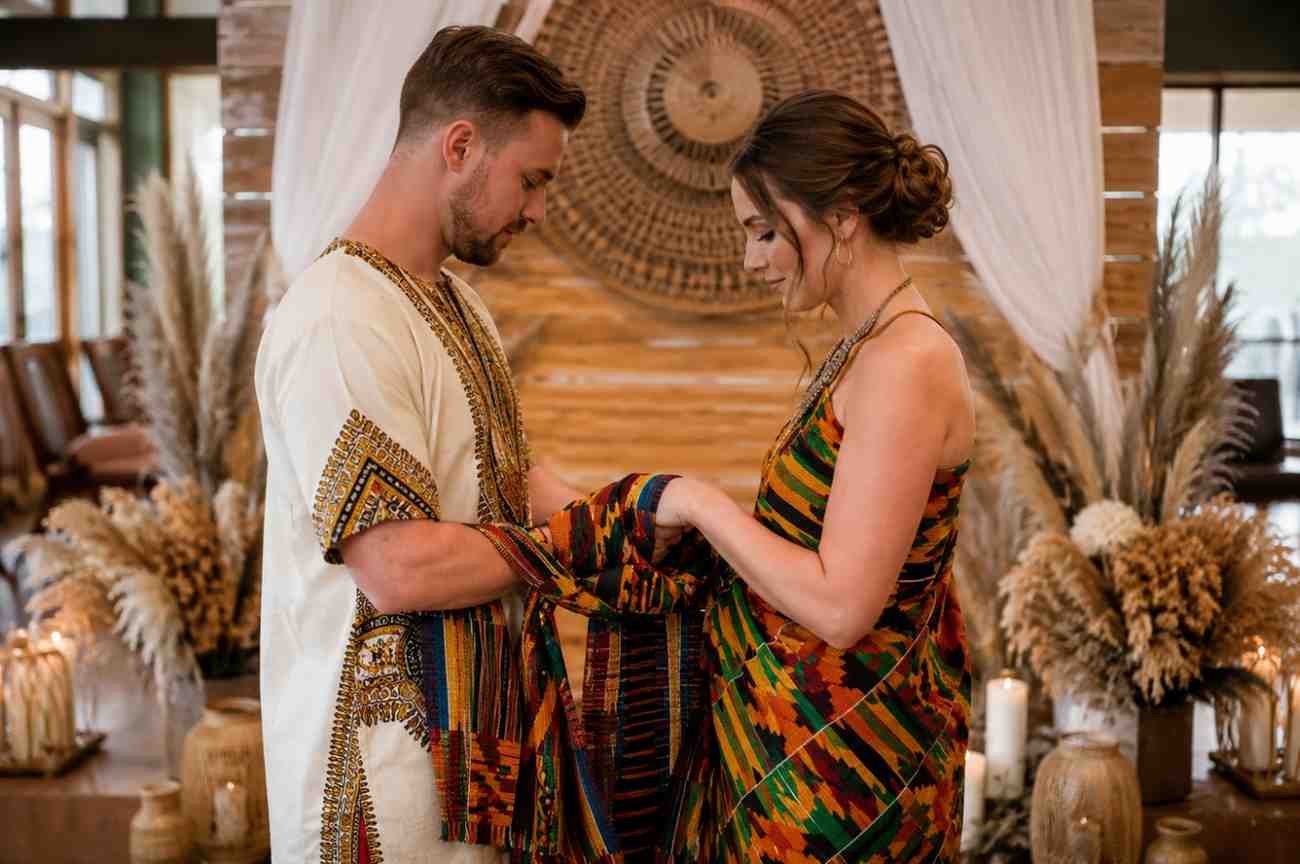
Many African wedding traditions use symbolic actions to represent the bond between the couple.
Tying the Knot
In some communities, the couple’s hands or wrists are tied together using traditional fabrics or braided materials. This ritual serves as a physical representation of their new partnership and shared journey.
The symbolism is simple but powerful. The act demonstrates that marriage involves mutual support, cooperation, and commitment through life’s challenges.
Lobola and Family Relationships
Lobola, often referred to as bridewealth, remains an important tradition in several Southern and East African communities.
Historically, the groom’s family presented cattle to the bride’s family. Today, gifts may include money or other forms of support depending on local customs.
While often misunderstood by outsiders, Lobola is generally viewed as an expression of gratitude and respect. It acknowledges the role the bride’s family played in raising and supporting her while helping establish a relationship between the two families.
Music, Dance, and Collective Celebration
Unlike weddings where guests mainly observe from the sidelines, many African wedding celebrations encourage active participation from everyone involved.
Traditional drumming, singing, ululation, and group dancing transform the event into a communal experience. The energy created through music and movement reflects the joy surrounding the union and reinforces the idea that marriage affects the entire community.
These celebrations often continue for extended periods, allowing families and friends to strengthen relationships while honoring the significance of the occasion.
How Tradition Continues to Evolve?

Modern African weddings often blend contemporary influences with longstanding customs. Couples may incorporate modern fashion, photography, or venue styles while still maintaining important cultural rituals.
This balance allows traditions to remain relevant without losing their meaning. Rather than disappearing, many customs continue adapting to new generations while preserving the values that have made them important for centuries.
The result is a wedding experience that feels both personal and deeply connected to cultural heritage.
FAQs: The Symbolism and Beauty Behind African Wedding Traditions
1. What is the purpose of the libation ceremony in African weddings?
The libation ceremony honors ancestors and seeks blessings for the couple’s future. It reflects respect for previous generations and cultural heritage.
2. What does Lobola symbolize?
Lobola symbolizes respect, gratitude, and the strengthening of relationships between two families. It is an important part of many traditional marriage negotiations.
3. Why is traditional wedding attire important in African cultures?
Traditional attire often communicates cultural identity, family heritage, social values, and hopes for the future through colors, fabrics, and symbolic designs.
4. Are African wedding traditions still practiced today?
Yes. Many communities continue practicing traditional customs, although some ceremonies now combine modern elements with longstanding cultural traditions.
More Than a Wedding, a Celebration of Heritage
What makes African wedding traditions so remarkable is the way they connect the past, present, and future. Every ritual, fabric, song, and ceremony carries meaning that extends beyond the wedding itself. These customs celebrate love while also honoring family history, cultural identity, and community relationships.
In a rapidly changing world, these traditions continue to remind people that marriage is often about more than two individuals. It is also about heritage, belonging, and the shared stories that families carry forward from one generation to the next.