
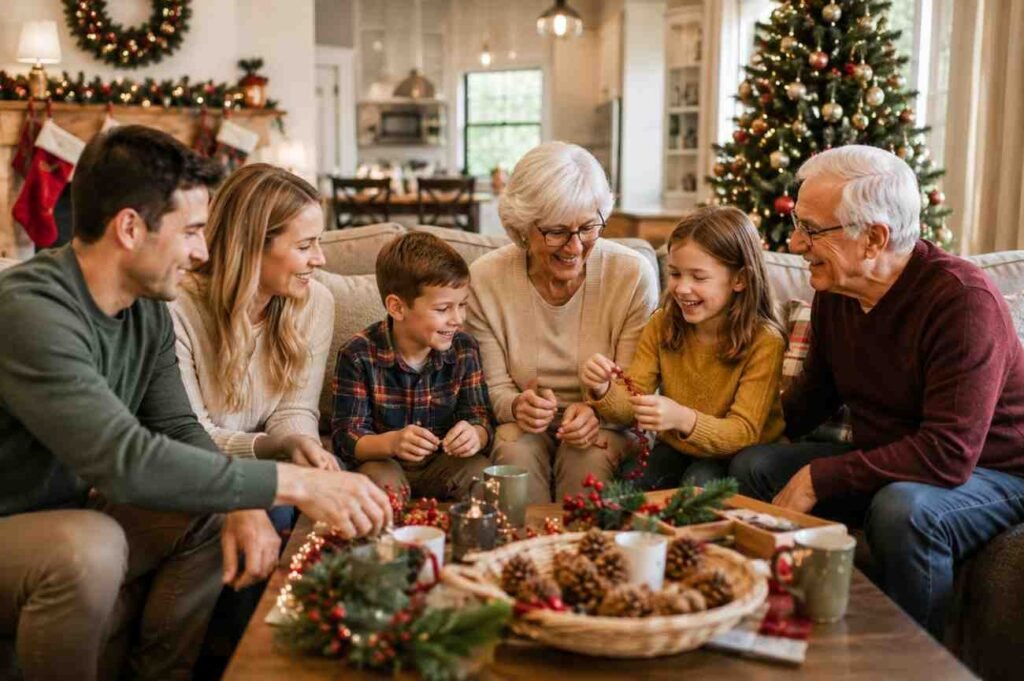
Some of the strongest childhood memories are not tied to expensive vacations or elaborate celebrations. They often come from small moments that happened over and over again. A family dinner every Sunday, a grandparent telling the same story each holiday season, or an annual outing that everyone looked forward to. These simple rituals have a way of staying with us long after the details of everyday life fade.
As families become busier and more spread out, meaningful family traditions play an even bigger role. They create consistency, strengthen family relationships, and help pass down values from one generation to the next. More importantly, they remind everyone that they belong to something larger than themselves. The good news is that creating these traditions does not require a big budget or perfect planning. It starts with showing up and spending intentional time together.
Why Meaningful Family Traditions Matter?
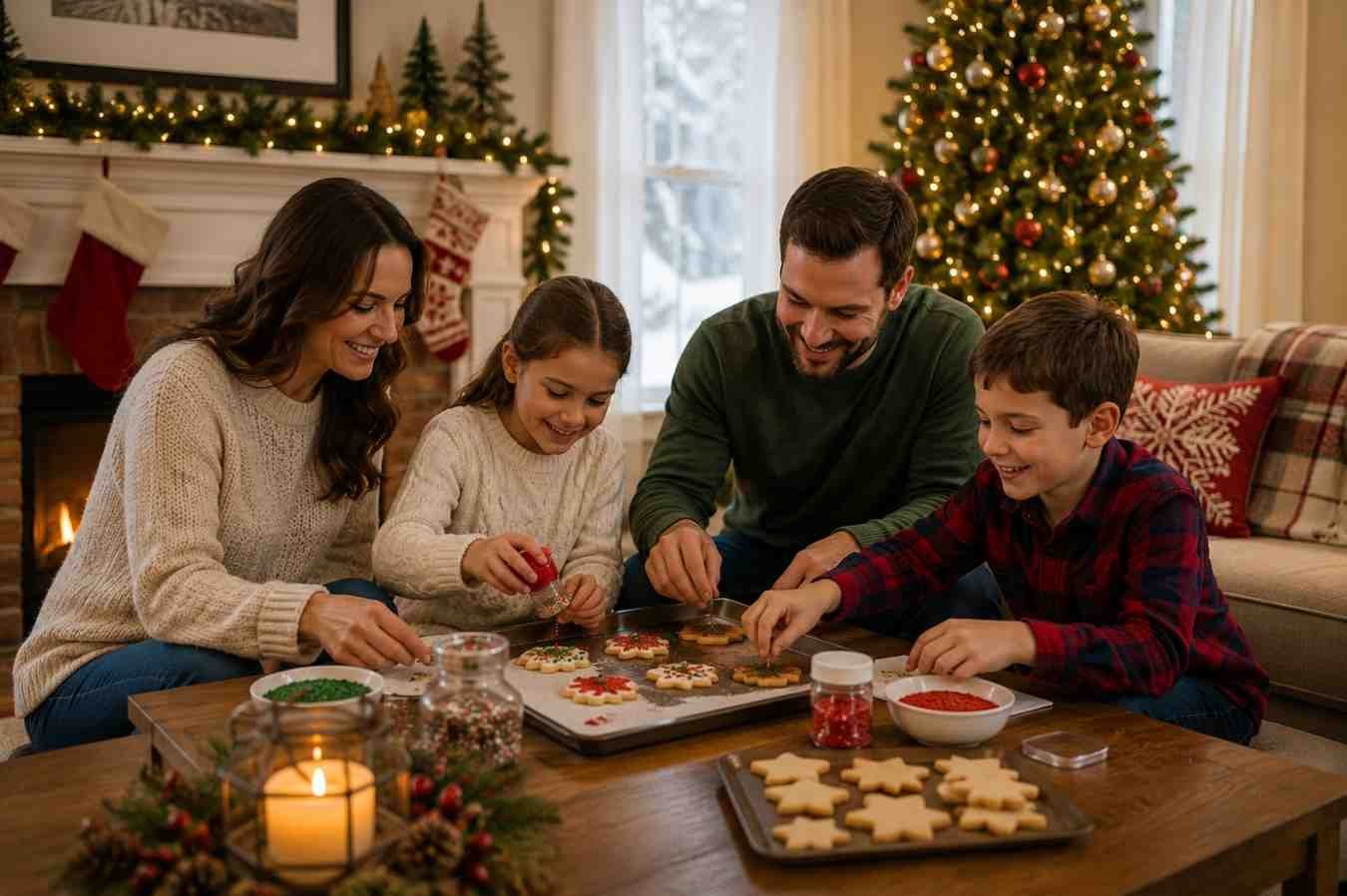
Family traditions do more than fill a calendar. They help create a sense of belonging and connection that can last for decades. Children who grow up with family rituals often carry those experiences into adulthood and eventually pass them on to their own families.
These traditions also serve as a bridge between generations. Grandparents, parents, and children each bring different experiences, perspectives, and stories. When families create opportunities to share those experiences, they preserve family history while building new memories together.
In many households, traditions become the foundation of family culture. They provide comfort during difficult times and create reasons to gather during joyful ones. Over time, they become part of a family’s identity and legacy.
The Family Traditions That Leave The Biggest Impact
Many people assume traditions must revolve around holidays, but some of the most meaningful moments happen during ordinary days.
Culinary Connections And Heritage Meals
Food has always been one of the easiest ways to bring generations together. Recipes often carry stories, memories, and cultural traditions that cannot be found anywhere else.
A recipe exchange is a great place to start. Invite grandparents or older relatives to teach younger family members how to prepare a favorite dish. The cooking process naturally creates conversation, allowing stories and family history to surface.
Another simple tradition is a weekly or monthly family meal where everyone gathers without distractions. These meals create space for meaningful conversations and help maintain strong family connections, even during busy seasons of life.
Storytelling And Memory Sharing
Every family has stories worth preserving. Unfortunately, many of them disappear when they are never told or recorded.
Creating a monthly story night can help keep those memories alive. Family members can share funny childhood experiences, lessons they learned, or stories about previous generations. These conversations often reveal details about family values and traditions that younger relatives may never have known.
Some families also create memory journals or record interviews with older relatives. These recordings become treasured keepsakes that future generations can revisit for years to come.
Activities That Build Stronger Family Bonds
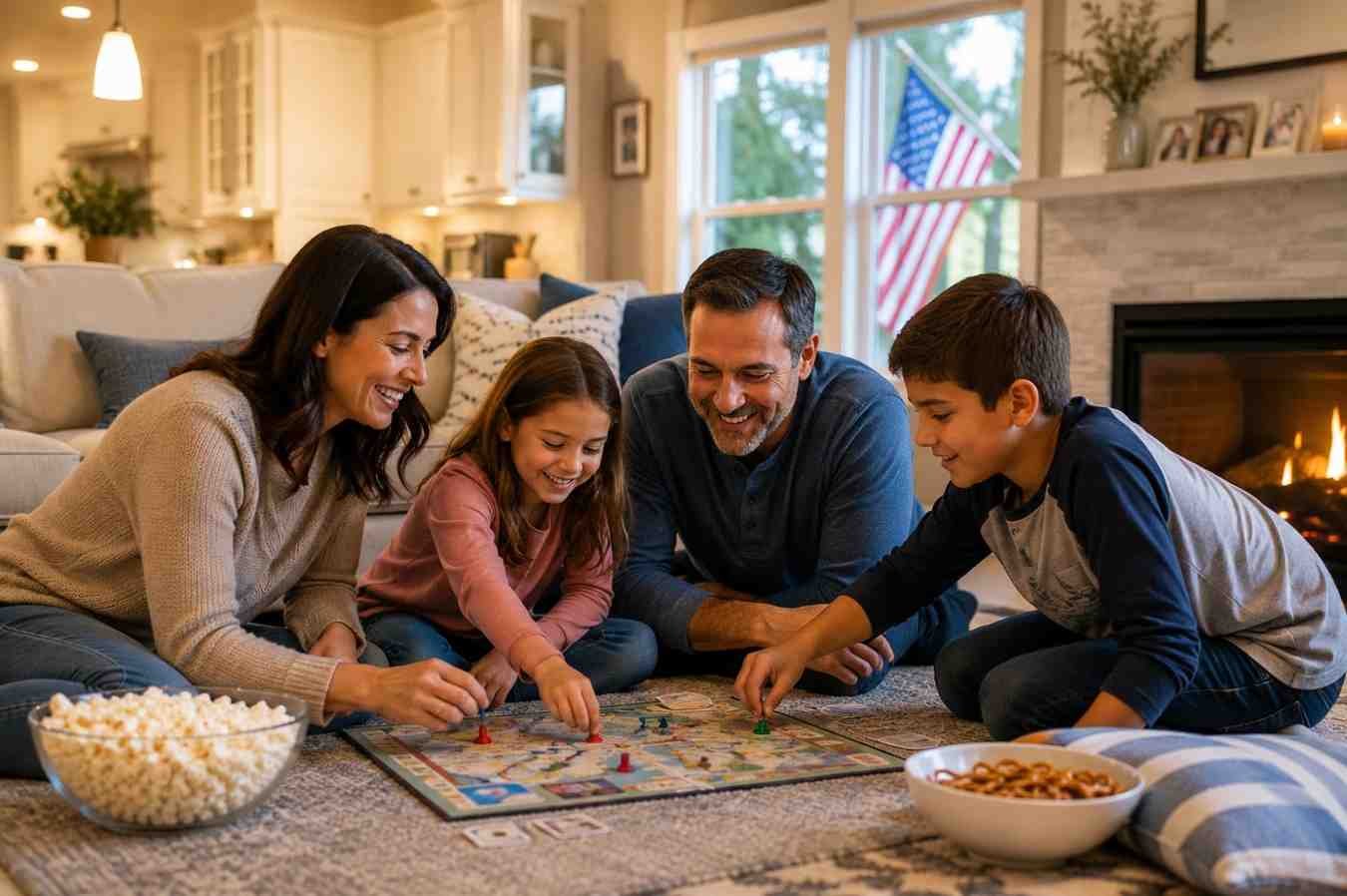
Shared experiences often create stronger emotional connections than passive entertainment. When family members actively participate together, they learn from one another and build trust naturally.
One effective approach is creating skill-sharing sessions. Older generations can teach traditional skills such as gardening, sewing, woodworking, or cooking, while younger family members can introduce technology, apps, or digital tools.
These exchanges create mutual respect because everyone has something valuable to contribute.
Another meaningful tradition is creating an annual time capsule. Family members can include letters, photos, personal goals, and favorite memories from the year. Opening previous capsules years later often becomes just as meaningful as creating them.
A Few Simple Ideas Worth Trying
- Host a monthly family game night.
- Create a gratitude or memory jar throughout the year.
- Start an annual family photo tradition.
- Celebrate birthdays with a special family ritual.
- Record family stories during reunions.
- Create a family recipe collection that grows over time.
The Role Of Nature In Bringing Generations Together
Some of the best conversations happen away from screens and daily distractions. Spending time outdoors encourages family members to slow down and connect more naturally.
Seasonal walks can become a meaningful tradition that evolves year after year. Visiting the same park, trail, or outdoor space during different seasons allows families to observe changes in nature while creating shared experiences.
Planting trees or flowers to celebrate important milestones can also become a powerful symbol of growth and continuity. Many families enjoy revisiting these plants over the years and reflecting on the memories connected to them.
Interestingly, outdoor traditions often complement conversations about healthy lifestyle choices, making them valuable not only for family bonding but also for overall well-being.
Keeping Traditions Relevant In Modern Families
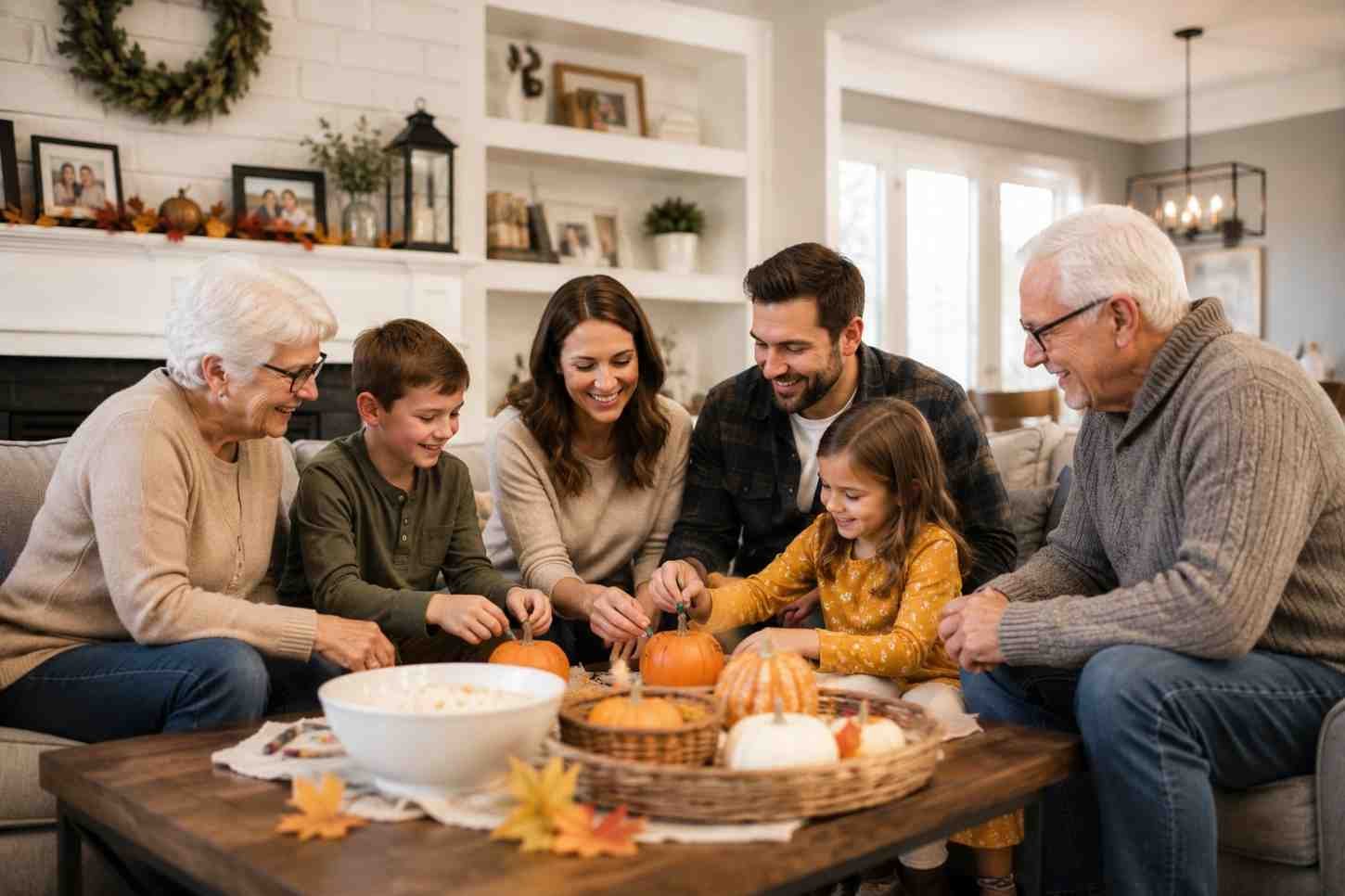
One mistake many families make is believing traditions must remain exactly the same forever. The reality is that family life changes.
Children grow up. Relatives move away. New family members join. Schedules become more complicated.
The most successful traditions are flexible enough to evolve while preserving their original purpose. A weekly dinner may become a monthly gathering. An in-person event may shift to a video call. What matters most is maintaining the connection behind the tradition.
Families that adapt their rituals tend to keep them alive longer because they focus on togetherness rather than perfection.
What People Remember Years Later
When adults reflect on childhood, they rarely talk about the most expensive gifts they received. Instead, they remember moments that felt meaningful.
They remember helping a grandparent bake a favorite dessert. They remember annual family gatherings where everyone laughed together. Also, they remember hearing stories that connected them to previous generations.
These memories endure because they create emotional connections. They help people understand their roots, their values, and the people who helped shape their lives.
Meaningful family traditions are not about creating perfect experiences. They are about creating consistent opportunities for connection.
FAQs: Meaningful Family Traditions That Bring Generations Closer Together
1. What are meaningful family traditions?
Meaningful family traditions are repeated activities, rituals, or experiences that bring family members together and strengthen emotional bonds. They often reflect family values, culture, and shared history.
2. How do family traditions help children?
Family traditions create stability, encourage a sense of belonging, and help children develop stronger connections with relatives. They also contribute to lasting childhood memories and family identity.
3. Do family traditions have to be tied to holidays?
No. Many of the most impactful traditions happen throughout the year. Weekly dinners, storytelling nights, family walks, and annual projects can be just as meaningful as holiday celebrations.
4. How can long-distance families maintain traditions?
Long-distance families can schedule virtual gatherings, online game nights, shared storytelling sessions, or digital memory projects. Consistency is often more important than physical location.
Final Thoughts
Meaningful family traditions are often built from ordinary moments rather than extraordinary events. A shared meal, a familiar story, a yearly walk, or a simple conversation can become part of a family’s legacy. These traditions help preserve family history, strengthen intergenerational relationships, and create memories that endure long after the moment has passed. The most powerful traditions are rarely the most complicated. They are the ones that bring people together again and again.
At their core, family traditions are reminders that connection matters. Start small, stay consistent, and allow those moments to grow into something future generations will cherish.