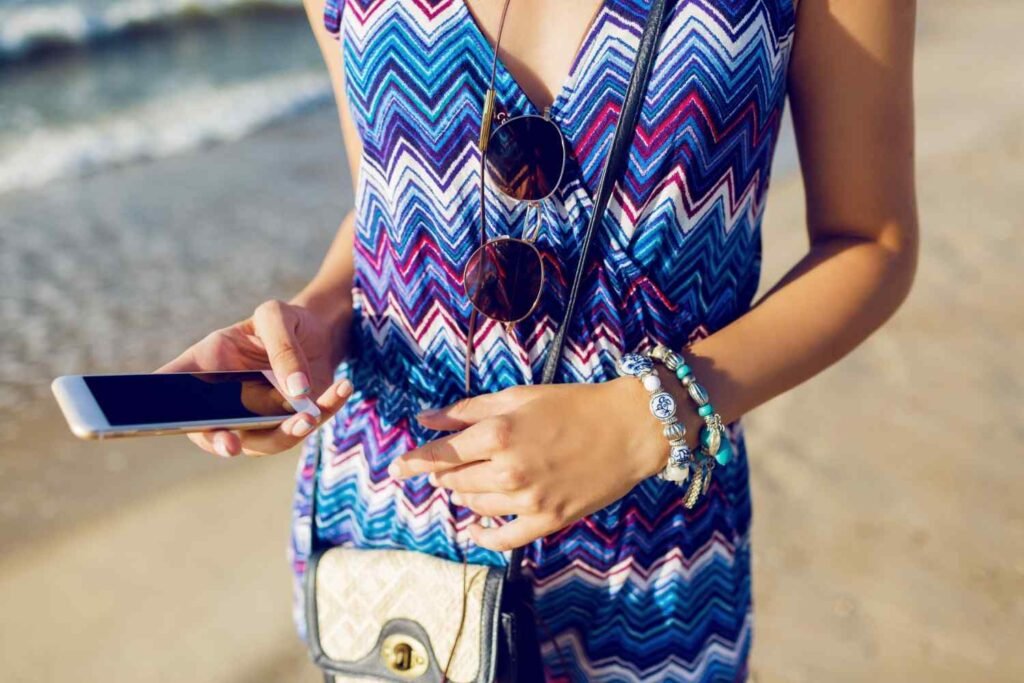

The best everyday jewelry should feel almost invisible until someone compliments it. It should move with you through coffee runs, work meetings, errands, workouts, dinner plans, and weekend trips without fading, flaking, or leaving marks on your skin.
That is where tarnish free jewelry for everyday wear becomes worth understanding. A beautiful piece is not enough if the metal cannot handle sweat, water, perfume, lotion, and daily friction.
I always look beyond the shine and check the material first, because the right metal can make affordable jewelry look polished for years, while the wrong one can lose its finish in weeks.
What Does Tarnish-Free Jewelry Really Mean?
Tarnish-free jewelry usually means the piece is highly resistant to discoloration, dullness, rust, or oxidation. It does not always mean indestructible. A solid gold ring and a cheap gold-plated brass ring may both look similar on day one, but they will age very differently.
Water, sweat, perfume, lotion, chlorine, salt air, and humidity can all speed up fading, especially when jewelry is made with low-quality base metals. Byrdie notes that gold-plated jewelry often has a thin layer of gold over base metals like brass or copper, which can become exposed over time and cause tarnishing.
That is why I always recommend checking the material before falling for the label. “Waterproof,” “sweatproof,” “anti-tarnish,” and “hypoallergenic” sound great, but the metal underneath matters most.
The Best Affordable Material: Gold PVD Coated Stainless Steel
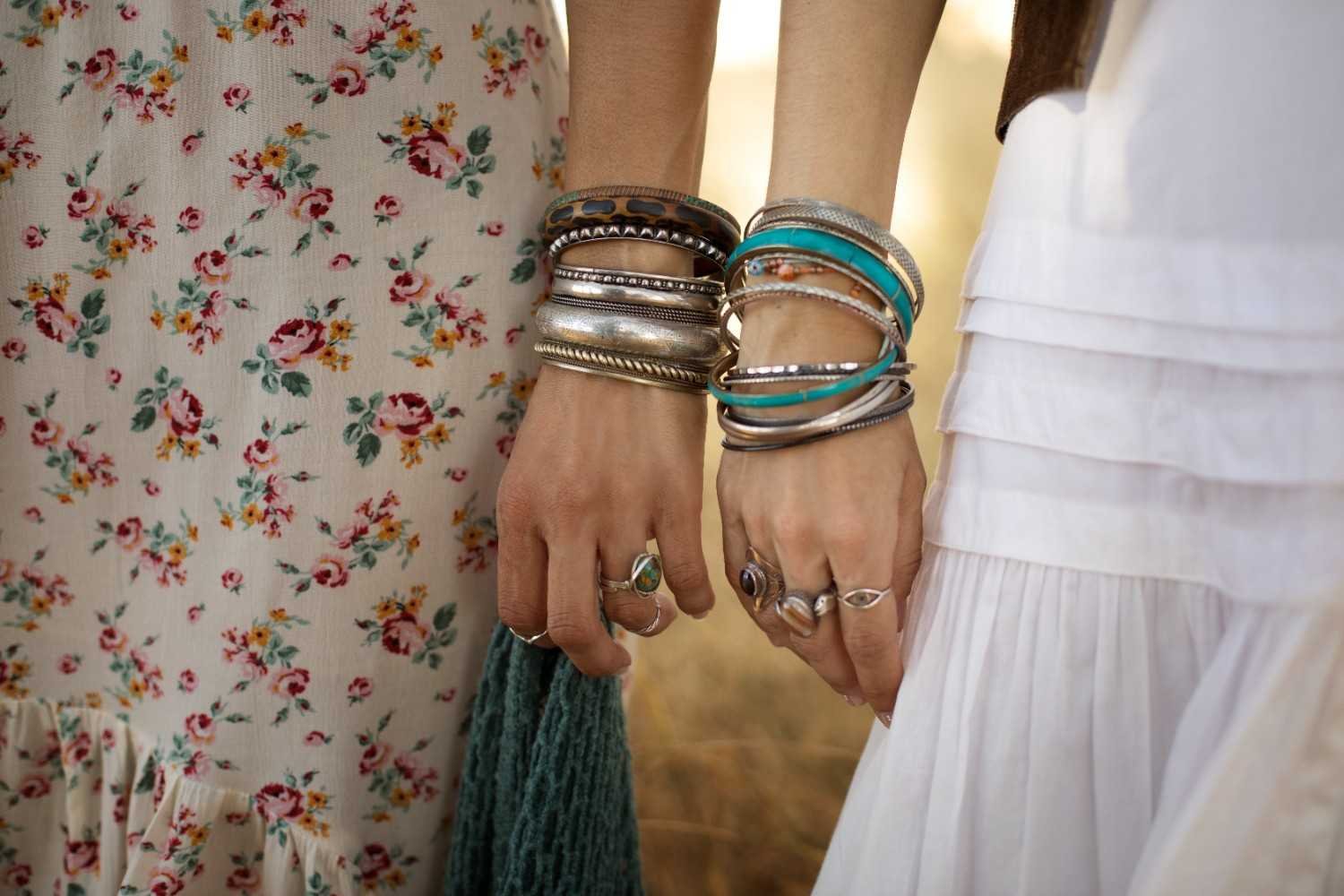
The most reliable affordable choice for tarnish free jewelry for everyday wear is 316L surgical-grade stainless steel with a Gold PVD coating. PVD stands for Physical Vapor Deposition, a modern coating process that bonds a gold-colored layer to the steel more securely than standard fashion electroplating.
This matters because 316L stainless steel already has strong resistance to rust, moisture, and daily wear. When paired with Gold PVD, it gives you the warm look of 18K gold without the high price of solid gold. It is a smart choice for earrings, chains, bracelets, rings, and waterproof jewelry you want to wear often.
Many waterproof jewelry brands now use stainless steel, titanium, and similar durable metals for everyday pieces because they handle water and sweat better than cheap plated fashion jewelry. New York Post’s waterproof jewelry roundup also highlights stainless steel, tungsten, titanium, and 14K or 18K gold among long-lasting everyday options.
Best Materials for Everyday Wear
Gold PVD coated stainless steel is the best value pick if you want affordable jewelry that resists sweat, perfumes, water, and daily friction. It looks like gold, costs less than fine jewelry, and needs very little maintenance.
Solid 14K or 18K gold is the stronger investment choice. Gold itself does not tarnish like silver or copper, and 14K or 18K gold is durable enough for daily use. It costs more upfront, but it is ideal for pieces you want to keep for years, such as a signature necklace, wedding band, small hoops, or classic bracelet.
Titanium is another excellent option, especially for sensitive skin. It is lightweight, corrosion-resistant, and commonly recommended for people who want hypoallergenic jewelry. Titanium is highly durable, though I would avoid saying it is completely scratch-proof because any jewelry can show wear with enough friction.
Platinum is the luxury choice. It is dense, strong, naturally white, and highly resistant to tarnishing. It costs more than most everyday jewelry materials, but it works beautifully for investment rings and heirloom-style pieces. Recent jewelry comparisons also point out that platinum needs less polishing than silver, while silver is more prone to tarnishing.
Materials to Avoid for Daily Use
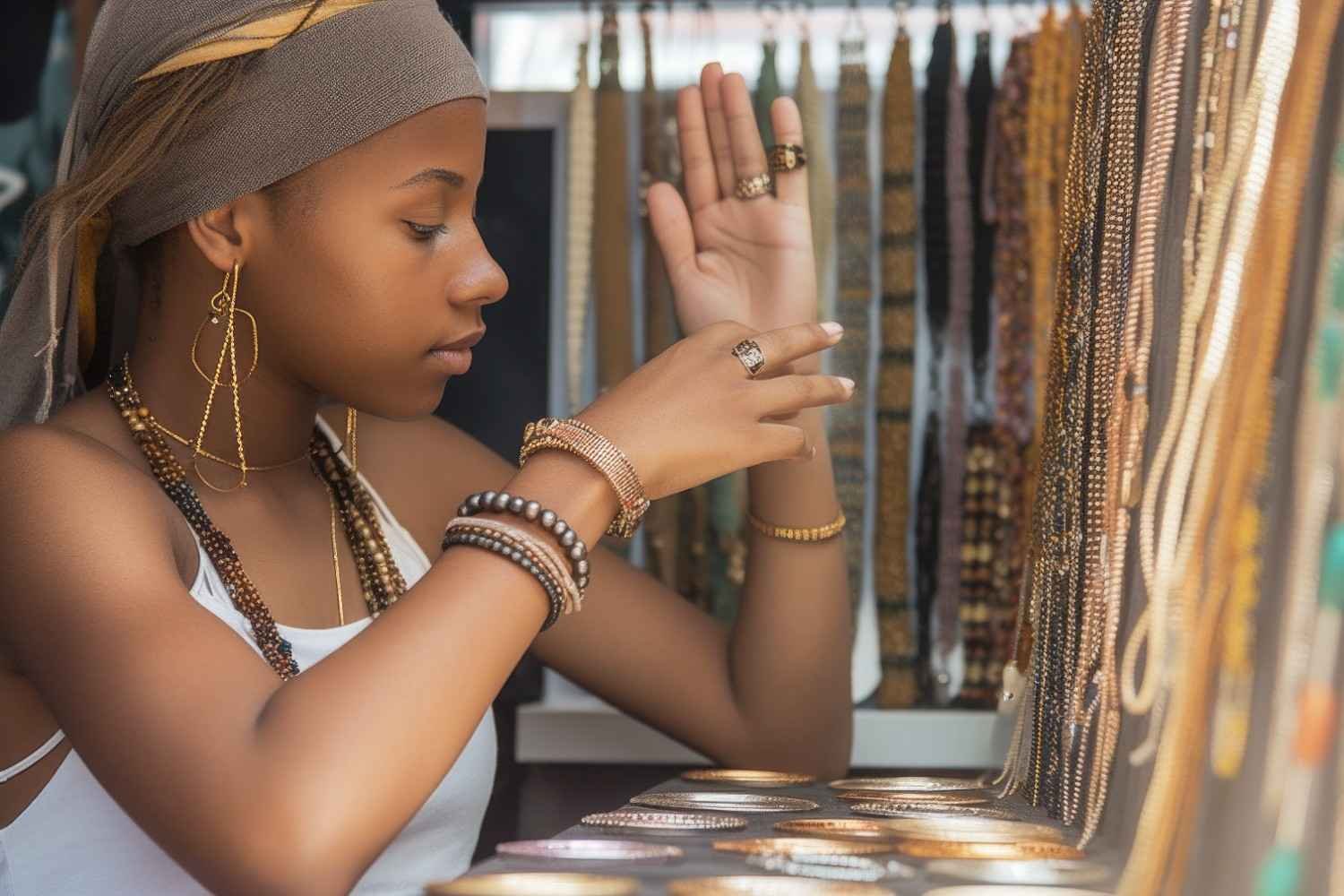
Brass and copper are the main materials I would avoid for daily jewelry. They oxidize quickly when exposed to sweat, moisture, lotion, and air. That reaction can dull the jewelry and sometimes leave green marks on your skin.
Standard fashion electroplating is another risky choice. These pieces are often made by dipping a cheap base metal into a thin coating. They may look beautiful at first, but the finish can fade, flake, or rub off after only a few wears, especially on rings and bracelets.
Sterling silver is beautiful, classic, and popular, but it is not the lowest-maintenance choice for nonstop wear. Since 925 sterling silver naturally reacts with air and humidity, it needs regular polishing to stay bright. That does not make it bad, but it does mean it may not be the best option if you want jewelry you never have to think about.
Waterproof vs Tarnish-Free Jewelry
Waterproof and tarnish-free are related, but they are not exactly the same. Waterproof jewelry can handle moisture better. Tarnish-free jewelry resists discoloration and oxidation. Sweatproof jewelry handles salt and skin contact. Hypoallergenic jewelry is designed to reduce irritation.
The best everyday jewelry sits at the center of all four. For example, a Gold PVD coated stainless steel necklace can be water-resistant, sweat-resistant, low-maintenance, and affordable. A cheap gold-plated brass necklace may be shiny, but it is much more likely to fade once exposed to water, perfume, or body oils.
Best Everyday Jewelry Pieces to Choose
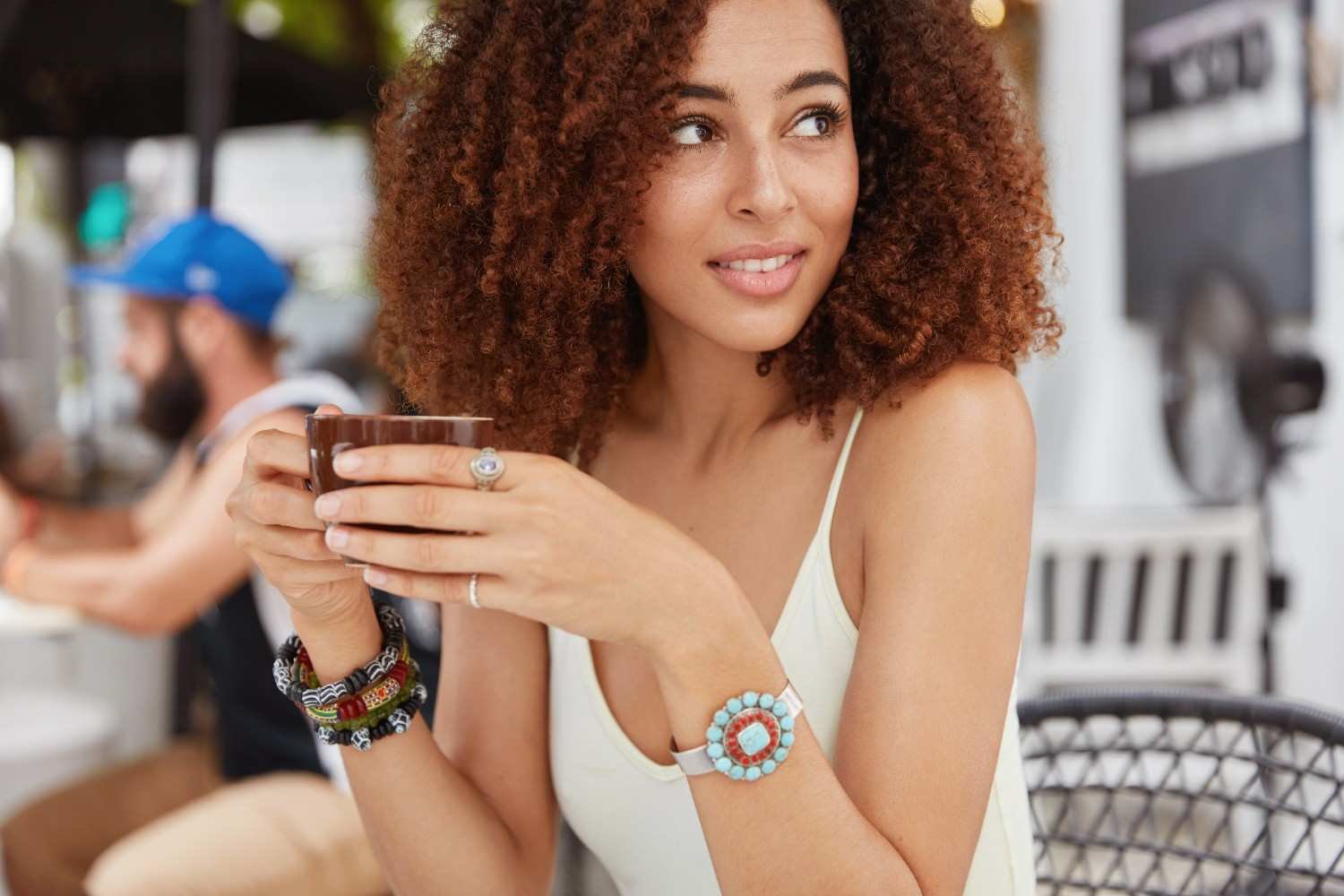
For earrings, I would choose stainless steel, titanium, solid gold, or platinum if your ears are sensitive. Huggies, small hoops, flat-back studs, and simple gold-tone earrings are the easiest to wear daily because they do not snag as much.
For necklaces, go for a simple chain, paperclip necklace, pendant, or layering piece made with Gold PVD stainless steel or solid gold. These styles work with office outfits, T-shirts, dresses, and weekend looks without feeling too formal.
For rings and bracelets, durability matters even more because your hands touch water, soap, desks, bags, and hard surfaces all day. If you want a budget-friendly option, Gold PVD stainless steel is practical. For long-term pieces, solid gold or platinum makes more sense.
How to Keep Everyday Jewelry Looking New
Even strong jewelry lasts longer with basic care. I would avoid spraying perfume directly on jewelry, storing pieces in the bathroom, or tossing chains into a drawer where they can scratch each other. Byrdie recommends keeping plated pieces dry and away from chemicals, while House Beautiful highlights dry, separated storage to prevent tarnish, scratches, and damage.
Use a soft cloth after sweaty days, beach trips, or workouts, especially if you wear waterproof jewelry for beach vacation looks often. Store pieces in small pouches, lined boxes, or separate compartments. If you own sterling silver, keep a polishing cloth nearby because silver naturally needs more upkeep.
Frequently Asked Questions (FAQs)
1. Is stainless steel jewelry good for everyday wear?
Yes, stainless steel is one of the best affordable choices for daily jewelry. It resists rust, tarnish, sweat, and moisture better than brass, copper, or standard plated fashion jewelry.
2. Can I shower with Gold PVD stainless steel jewelry?
Gold PVD stainless steel is usually much more water-resistant than regular gold-plated jewelry. Still, I recommend drying it after showers and avoiding heavy chlorine or saltwater exposure when possible.
3. Does sterling silver tarnish with daily wear?
Yes, sterling silver can tarnish because it reacts with air and humidity. It is beautiful, but it needs regular polishing if you want it to stay bright.
4. What jewelry should I avoid if my skin turns green?
Avoid brass, copper, and cheap plated jewelry with unclear base metals. These materials are more likely to oxidize and leave green marks on your skin.
Final Buying Advice
The smartest way to buy tarnish free jewelry for everyday wear is to ignore vague marketing and check the actual material. Look for 316L stainless steel, Gold PVD coating, solid 14K or 18K gold, titanium, platinum, or high-quality light alloys designed for daily wear. Be cautious with brass, copper, mystery alloys, and thin fashion plating.
My top affordable pick is Gold PVD coated stainless steel because it gives you the everyday gold look without the luxury price. My top investment pick is solid 14K or 18K gold because it stays beautiful for years with minimal effort. If you buy with the material first and the style second, your jewelry will look better, last longer, and feel much easier to wear every day.