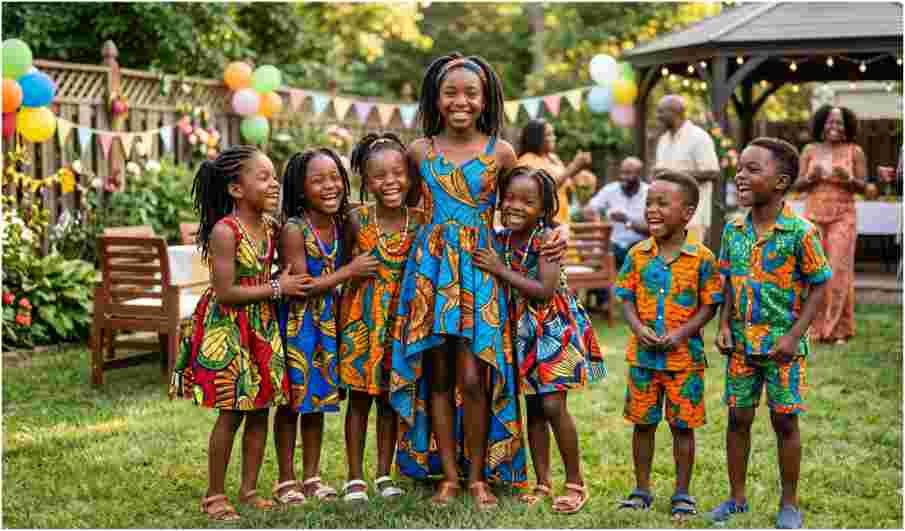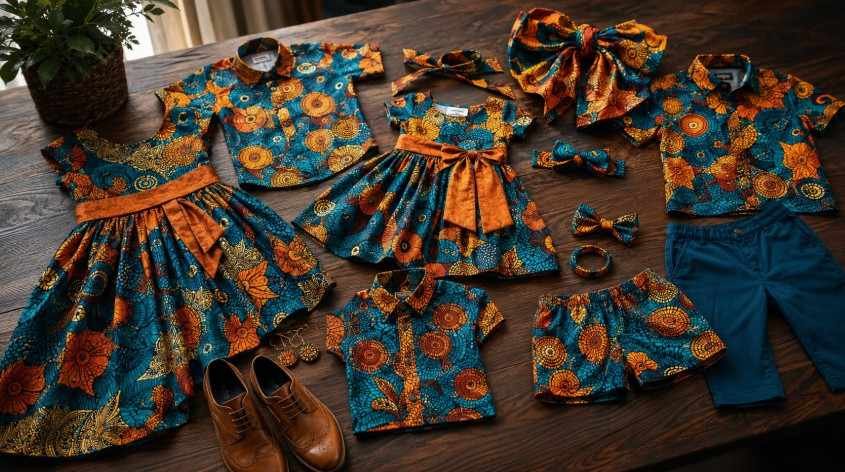

Growing up, many of us experienced traditions without giving them much thought. Family recipes appeared at celebrations, stories passed naturally from older generations to younger ones, and cultural customs felt like permanent parts of daily life. It is only when those traditions begin to fade that we realize how much they contribute to our sense of identity and belonging.
Today, cultural traditions face new challenges. Technology, globalization, migration, and changing lifestyles have transformed how people live, communicate, and connect with their heritage. Yet preserving cultural traditions does not mean rejecting progress. In many cases, traditions survive because communities find new ways to keep them relevant while honoring their original meaning.
Why Cultural Traditions Matter Beyond History?

Cultural traditions are often viewed as connections to the past, but their value extends far beyond historical preservation. They help people understand where they come from, what their communities value, and how shared experiences shape collective identity.
Traditions Create a Sense of Belonging
Whether through festivals, food, language, music, or family customs, traditions create connections between individuals and communities. They provide a shared reference point that helps people maintain a sense of belonging, even when social and economic changes reshape everyday life.
This connection becomes especially important in multicultural societies where people often balance multiple cultural influences while maintaining ties to their heritage.
Cultural Heritage Carries Generational Knowledge
Many traditional practices contain valuable knowledge developed over generations. Agricultural methods, craftsmanship, storytelling techniques, and community rituals often reflect centuries of observation, adaptation, and cultural wisdom.
When traditions disappear completely, communities risk losing more than customs. They may lose knowledge that contributes to cultural continuity and social identity.
Modern Life Is Changing How Traditions Are Passed Down
One of the biggest misconceptions about preserving traditions is the belief that culture remains unchanged over time. In reality, cultures have always evolved. What changes today is the speed at which transformation occurs.
Globalization Creates Both Opportunities and Challenges
Global communication has made it easier than ever for people to learn about different cultures. At the same time, increased exposure to global trends can sometimes overshadow local customs and traditional practices.
Younger generations often grow up consuming international media, participating in digital communities, and adopting modern lifestyles that differ significantly from those of previous generations. Without conscious efforts to preserve heritage, certain cultural customs can gradually lose visibility.
Technology Is Reshaping Cultural Preservation
Technology is often blamed for cultural erosion, but it has also become one of the most powerful tools for preservation.
Digital archiving projects now record:
- oral histories
- endangered languages
- traditional music
- ancestral stories
- cultural artifacts
These efforts help ensure that important cultural knowledge remains accessible for future generations.
Many communities also use social media, websites, and online platforms to document traditions and share them with wider audiences. This approach allows cultural heritage to remain visible while adapting to modern communication methods.
Why Adaptation Often Keeps Traditions Alive

One reason some traditions survive while others disappear is their ability to adapt.
Preservation Does Not Mean Freezing Culture in Time
Many people mistakenly view cultural preservation as keeping traditions exactly as they existed decades or centuries ago. However, cultures remain vibrant when they evolve alongside changing circumstances.
Traditional culinary practices may incorporate modern ingredients. Artisans may combine ancestral craftsmanship with contemporary design. Musicians may blend traditional instruments with modern sounds.
These adaptations do not necessarily weaken traditions. In many cases, they help keep cultural expressions meaningful for younger generations.
This balance is particularly visible in discussions around contemporary African living, where traditional aesthetics, cultural values, and ancestral influences increasingly coexist with modern architecture, fashion, technology, and urban lifestyles.
Younger Generations Need Active Participation
Traditions rarely survive through observation alone. People need opportunities to participate in them.
When younger generations learn traditional crafts, local history, cultural dances, or community rituals, they become active contributors to cultural continuity rather than passive observers.
Educational programs, cultural workshops, and community events often play an important role in creating these opportunities.
The Power of Communities in Cultural Preservation
Strong communities remain one of the most effective safeguards for cultural heritage.
Local Engagement Creates Lasting Impact
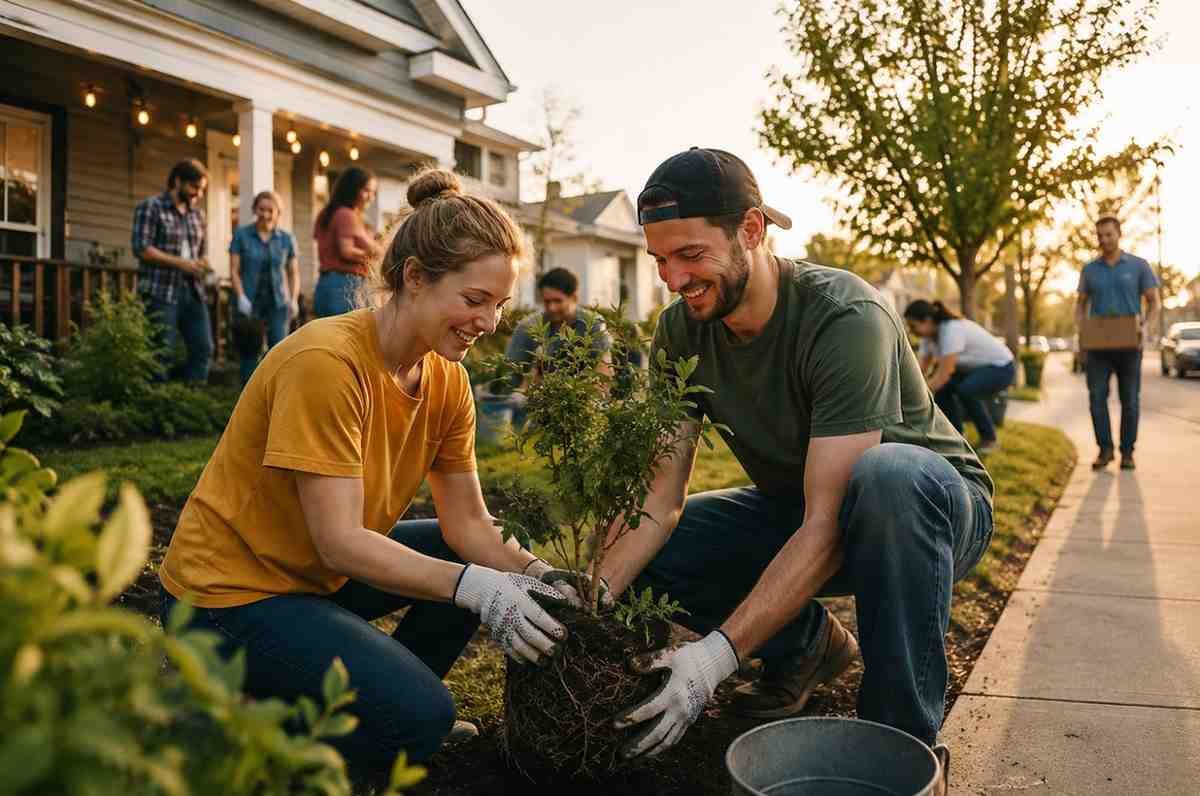
While international organizations support preservation efforts, cultural traditions are ultimately sustained by the people who practice them.
Families, local leaders, educators, artists, and community organizations often carry the responsibility of passing traditions forward through daily interactions and shared experiences.
Simple actions such as teaching traditional recipes, sharing family stories, or celebrating cultural festivals can have a lasting impact on preserving heritage.
Sustainable Tourism Can Support Preservation
Community-led cultural tourism has also emerged as an important preservation strategy. When visitors engage respectfully with local traditions, communities can generate economic opportunities while maintaining cultural authenticity.
The most successful initiatives focus on protecting cultural integrity rather than turning traditions into performances designed solely for tourists.
Why Preservation Requires Both Local and Global Support
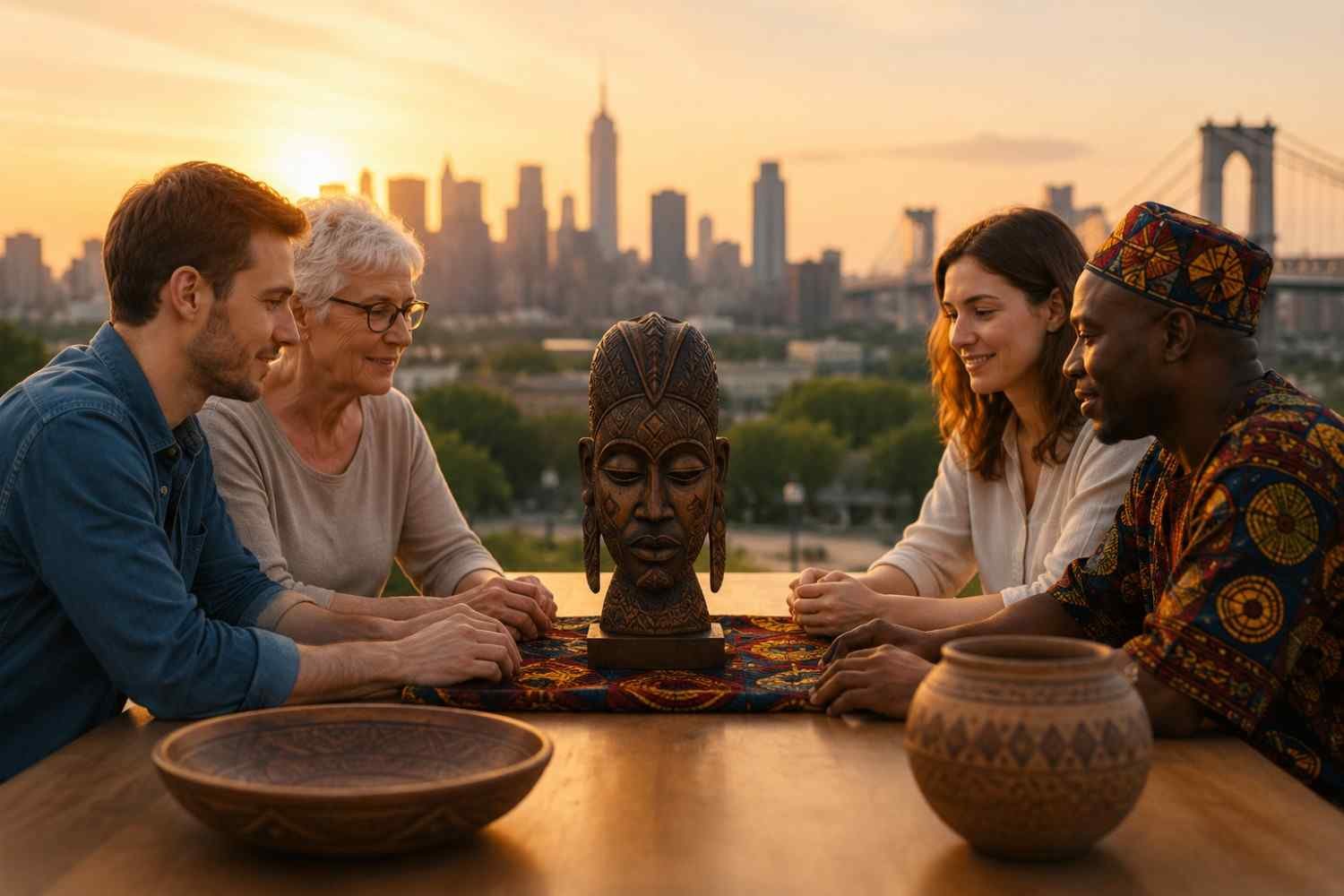
Preserving cultural traditions is not solely a local responsibility. International frameworks and cultural organizations also play a critical role.
Organizations such as UNESCO help protect both tangible and intangible cultural heritage through global initiatives, conservation programs, and policy frameworks.
These efforts have become increasingly important as cultural sites and traditions face threats from urban development, environmental changes, conflict, and economic pressures.
At the same time, global support works best when local communities remain at the center of preservation efforts. Cultural traditions survive most effectively when the people connected to them actively shape their future.
FAQs: Preserving Cultural Traditions in a Fast-Changing World
1. Why is preserving cultural traditions important?
Preserving cultural traditions helps maintain cultural identity, strengthen community connections, and protect valuable knowledge that has been passed down through generations.
2. Can traditions evolve without losing their authenticity?
Yes. Many traditions remain relevant because they adapt to modern circumstances while preserving their core values, meanings, and cultural significance.
3. How does technology help preserve cultural heritage?
Technology supports preservation through digital archives, language documentation, oral history recordings, virtual museums, and online educational resources.
4. What role do young people play in cultural preservation?
Young people help ensure cultural continuity by learning, practicing, sharing, and adapting traditions for future generations while maintaining connections to their heritage.
Keeping Heritage Relevant for Future Generations
The future of cultural preservation depends less on resisting change and more on guiding it thoughtfully. Traditions that remain meaningful often do so because communities find ways to connect them to contemporary life rather than treating them solely as historical artifacts.
When families, educators, cultural organizations, and younger generations work together, traditions become more than memories of the past. They become living parts of everyday life, capable of evolving while continuing to strengthen identity, belonging, and cultural heritage for years to come.