The most memorable travel experiences rarely come from checking famous landmarks off a list. They usually come from the conversations, traditions, and everyday moments that reveal how people actually live.
That is especially true when exploring Africa, where cultural heritage, community life, and local customs often leave a deeper impression than any itinerary ever could.
Many travelers arrive expecting wildlife safaris and breathtaking landscapes, and those experiences certainly deserve their reputation.
Yet the African travel lifestyle extends far beyond scenic destinations. It is found in bustling markets, family celebrations, traditional storytelling, artisan workshops, and community gatherings that have preserved cultural identity for generations.
Experiencing these moments creates a richer understanding of the continent and the people who call it home.
Why the African Travel Lifestyle Feels Different
One of the most rewarding aspects of cultural travel is the opportunity to move beyond observation and become a participant in local life. Across Africa, many communities continue to maintain traditions that connect the past with the present, creating meaningful experiences for visitors willing to learn.
Travel Centered Around Community
In many regions, the community remains at the heart of daily life. Family connections, shared responsibilities, and collective celebrations often play a significant role in shaping local culture.
Travelers who spend time in community-based tourism programs often discover that hospitality is more than a service. It is a cultural value. Whether sharing a meal with local families or participating in village activities, visitors gain insight into traditions that cannot be experienced through sightseeing alone.
Cultural Heritage Is Part of Everyday Life
Unlike destinations where cultural experiences are reserved for museums or special events, many traditions remain woven into everyday routines. Local customs, traditional crafts, oral histories, and indigenous knowledge continue to influence modern life in countless communities.
This connection between heritage and daily living is one reason cultural tourism has become increasingly important for travelers seeking authentic experiences rather than standardized vacations.
This blend of heritage and modern identity is also reflected in contemporary African living, where traditional values, design, fashion, food, and community culture continue to shape everyday lifestyle choices.
Learning From Traditional Communities
Some of the most meaningful cultural encounters happen through respectful engagement with indigenous and traditional communities.
East Africa’s Living Traditions
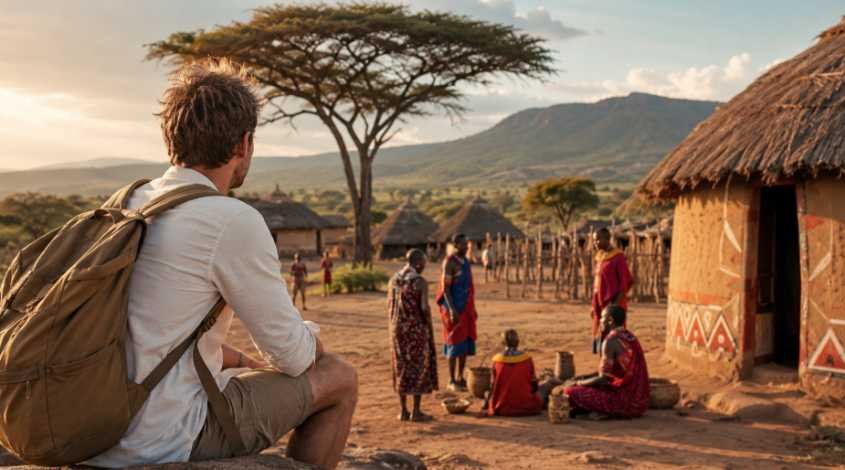
In parts of Kenya and Tanzania, visitors can learn about the lifestyles of the Maasai and Samburu people through community-led experiences. These interactions often provide insight into traditional cattle-herding practices, conservation efforts, and cultural ceremonies that have been passed down through generations.
The experience goes beyond simply observing traditions. Many travelers leave with a greater appreciation for the balance between cultural preservation and modern development.
Ancient Knowledge in Southern Africa

In Namibia and Botswana, communities such as the Himba and San people offer valuable perspectives on sustainable living and environmental stewardship. Traditional tracking techniques, survival skills, and spiritual connections to the land reflect centuries of accumulated knowledge.
For many travelers, these experiences highlight the importance of preserving indigenous wisdom in a rapidly changing world.
Cultural Connections in Uganda
Community experiences in Uganda often include opportunities to learn from Batwa elders, hear ancestral stories, and participate in local craft traditions.
Women’s cooperatives frequently share skills such as beadwork and honey harvesting, demonstrating how traditional practices continue to support local economies today.
These interactions provide a deeper understanding of how cultural heritage contributes to community resilience and identity.
Everyday Experiences Tell the Real Story
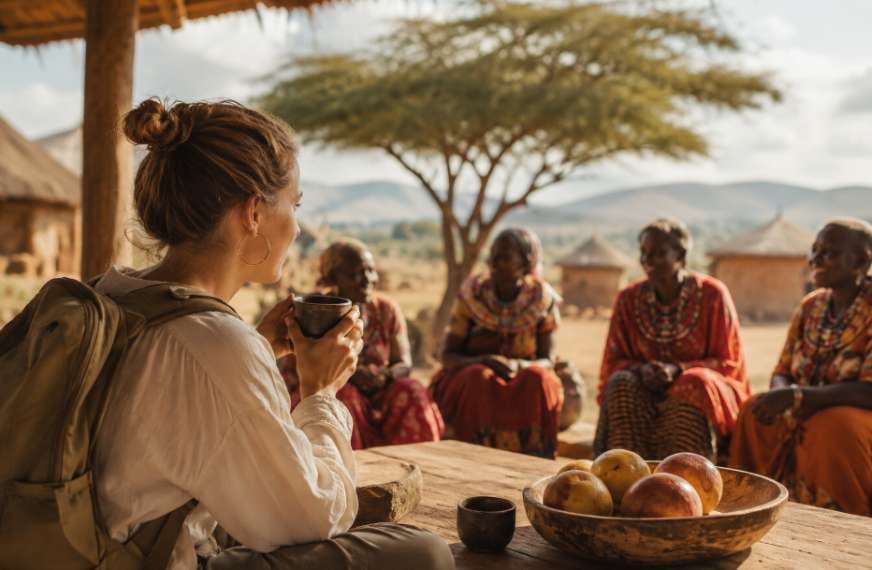
The African travel lifestyle becomes most visible through daily activities that reveal local values, traditions, and ways of life.
Food Creates Meaningful Connections
Food often serves as an introduction to culture. Participating in traditional cooking experiences allows travelers to learn about local agriculture, regional ingredients, and family customs that have shaped culinary traditions for generations.
Preparing meals using traditional methods offers insights that restaurant dining alone cannot provide. It also creates opportunities for conversation and cultural exchange that often become lasting memories.
Craftsmanship Preserves Cultural Identity
Across the continent, skilled artisans continue to practice techniques that have been passed down through families for decades or even centuries.
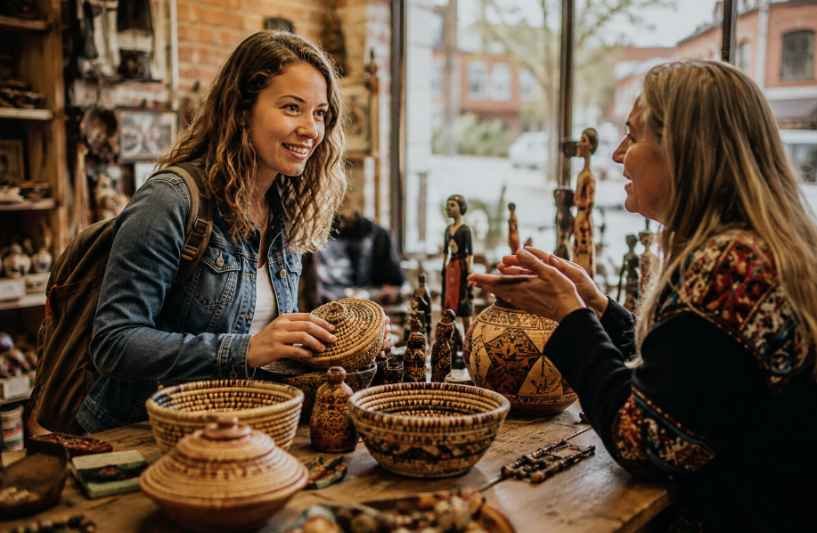
Textile weaving, beadwork, pottery, wood carving, and basket making represent more than artistic expression. They are important forms of cultural preservation.
Visitors who purchase locally made products often support small businesses while helping sustain traditional craftsmanship and community livelihoods.
Celebrations, Stories, and Shared Traditions
Many travelers discover that cultural celebrations provide some of the most memorable experiences during their journey.
Music and Storytelling Bring History to Life
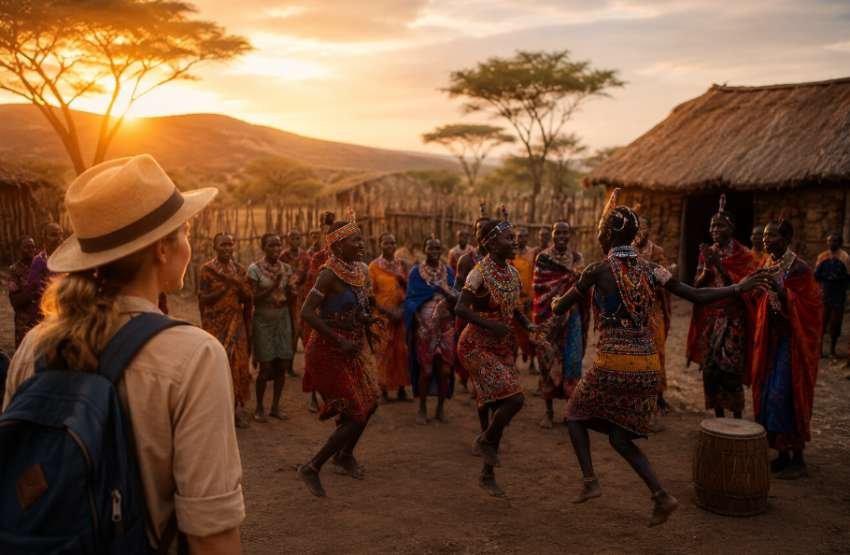
Traditional drumming, singing, and dance remain important forms of cultural expression throughout Africa. These performances often serve as living records of community history, spiritual beliefs, and social values.
Storytelling traditions continue to play a significant role as well. Through oral histories, elders pass knowledge from one generation to the next, helping preserve cultural identity even as societies evolve.
Family Traditions Reflect Cultural Values
Family celebrations offer another window into community life. Ceremonies marking important life events often highlight values such as unity, respect, and collective responsibility.
An African wedding traditions frequently incorporate music, symbolic rituals, family participation, and community involvement.
These celebrations often reflect the importance of heritage while also embracing contemporary influences, demonstrating how traditions continue to adapt over time.
Responsible Travel Creates Better Cultural Experiences
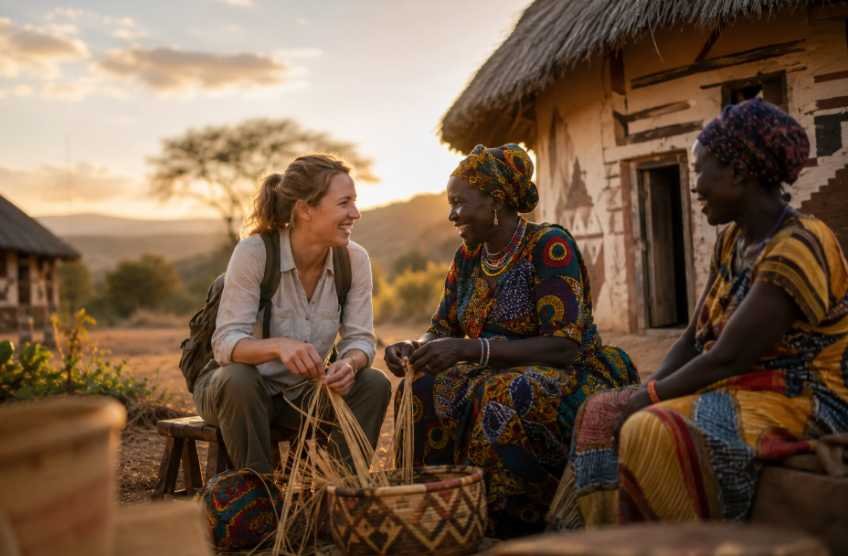
Authentic cultural tourism depends on respectful engagement and ethical travel practices.
Supporting Communities Directly
Travelers can create positive impacts by choosing community-led experiences, hiring local guides, and purchasing handmade products directly from artisans. These decisions help support local economies while encouraging cultural preservation.
Community-based tourism has become an increasingly important model because it allows local residents to share their culture on their own terms while benefiting economically from tourism activities.
Respect Leads to Better Connections
Meaningful cultural exchange begins with curiosity and respect. Asking permission before taking photographs, listening carefully, and approaching traditions with humility often lead to more genuine interactions.
The most rewarding experiences usually happen when travelers view themselves as learners rather than spectators. That mindset creates stronger connections and a deeper appreciation for the cultures they encounter.
Frequently Asked Questions
1. What is the African travel lifestyle?
The African travel lifestyle focuses on experiencing local culture, traditions, communities, food, and daily life rather than concentrating solely on tourist attractions or wildlife experiences.
2. How can travelers experience authentic cultural tourism in Africa?
Community-led tours, cultural workshops, local markets, traditional cooking experiences, and interactions with local residents often provide more authentic cultural experiences.
3. Why is community-based tourism important?
Community-based tourism supports local economies, promotes cultural preservation, and allows visitors to engage directly with residents in meaningful and respectful ways.
4. What should travelers do when visiting traditional communities?
Travelers should approach communities respectfully, seek permission before taking photos, support local businesses, and remain open to learning about local customs and traditions.
The Stories That Stay Long After the Journey Ends
Many travelers remember beautiful landscapes and famous attractions, but the experiences that often stay with them longest are the human connections they make along the way.
Conversations shared over meals, stories told by community elders, and traditions witnessed firsthand create memories that extend far beyond a travel itinerary.
That is what makes the African travel lifestyle so compelling. It offers an opportunity not only to see remarkable places but also to understand the people, histories, and cultural traditions that give those places meaning.