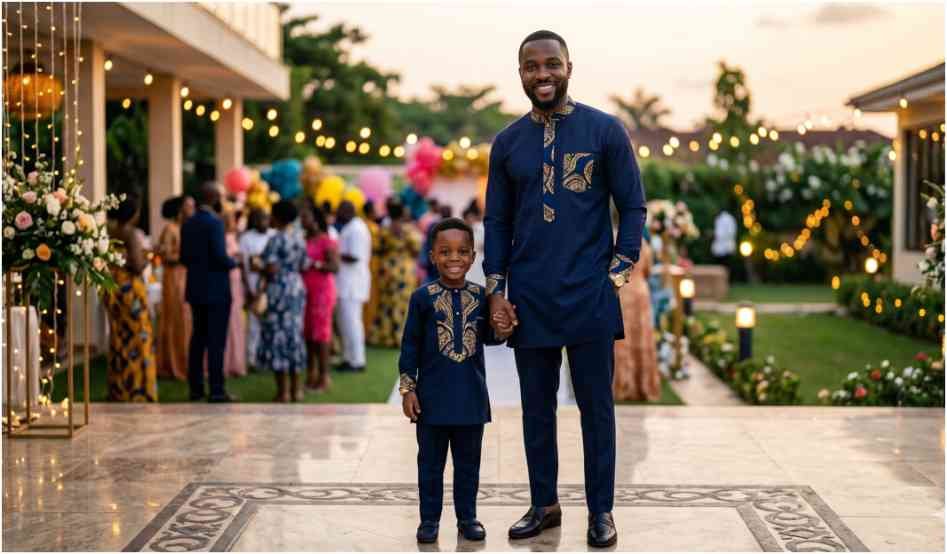
For many years, conversations about African living were often limited to traditions, history, or cultural heritage. While those elements remain deeply important, they only tell part of the story. Across the continent, a new generation of designers, architects, artists, and homeowners is redefining what modern living looks like while staying connected to cultural roots. The result is a lifestyle that feels both contemporary and deeply authentic.
What makes contemporary African living particularly interesting is its ability to blend innovation with identity. Instead of replacing tradition, modern African spaces often build upon it. Whether through architecture, interior design, fashion, or everyday routines, there is a growing emphasis on creating environments that reflect local stories, climate conditions, and community values while embracing modern comfort and functionality.
What does Contemporary African Living Really Mean?
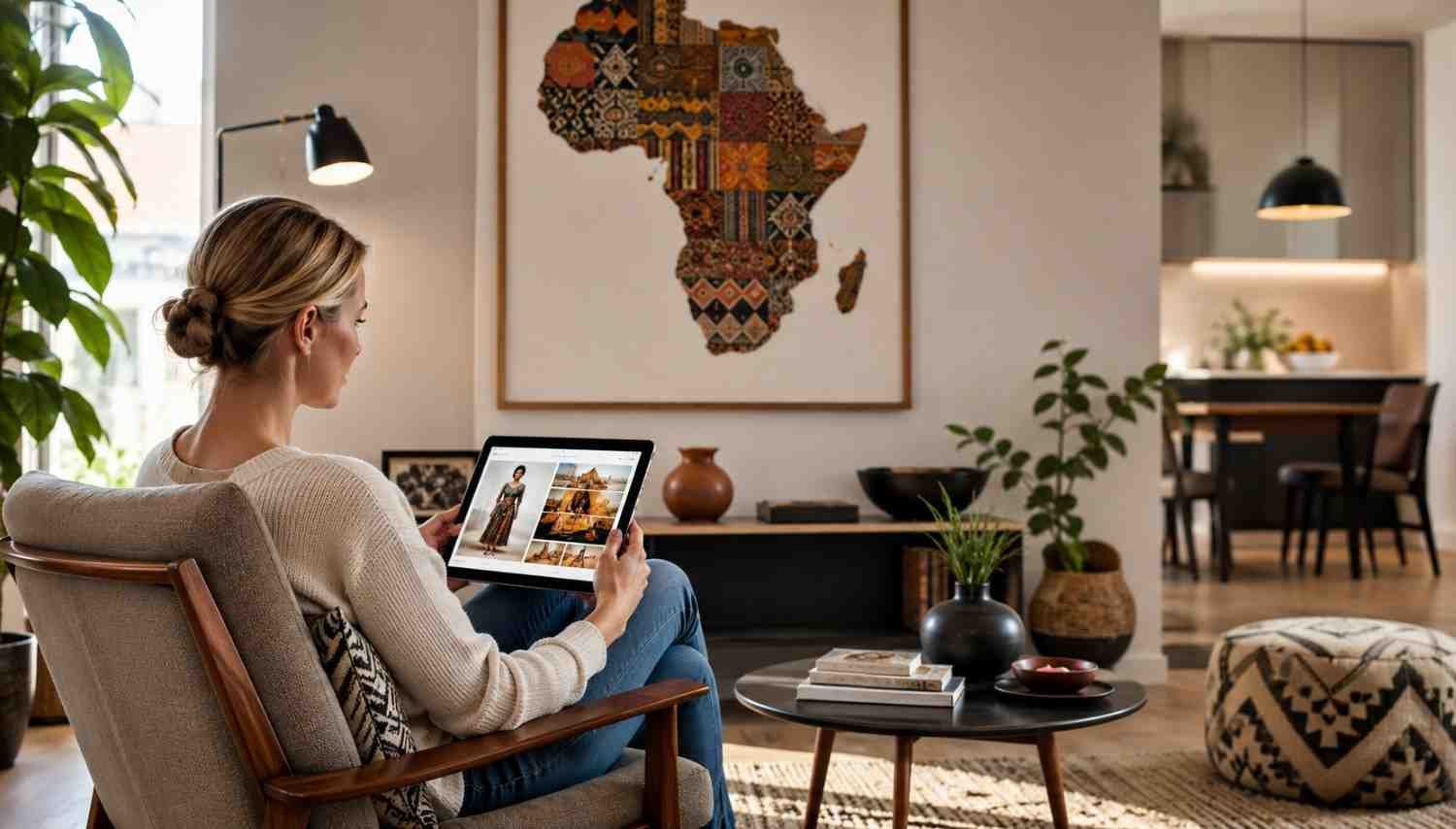
Contemporary African living is not a single design style or lifestyle trend. It is a broad movement that combines cultural heritage with modern thinking. Across cities, towns, and communities, people are finding new ways to express identity through their homes, workspaces, and daily lives.
Heritage Remains at the Center
Unlike many design trends that prioritize aesthetics alone, contemporary African living often begins with storytelling. Homes are frequently designed to reflect family history, local traditions, and cultural memory. Art, textiles, furniture, and architectural details become more than decorative elements—they serve as reminders of lineage, place, and personal identity.
This connection to heritage creates spaces that feel meaningful rather than purely fashionable. Instead of chasing trends, many homeowners focus on pieces that carry cultural significance and lasting value.
Modernity Enhances Rather Than Replaces Tradition
One of the most distinctive aspects of modern African culture is how seamlessly traditional influences coexist with contemporary lifestyles. Handmade craftsmanship often sits alongside modern furniture. Indigenous materials are combined with clean architectural lines. Traditional patterns appear in contemporary settings without feeling outdated.
This balance allows spaces to evolve while remaining connected to the communities and histories that shaped them.
How Design Shapes Modern African Homes
Interior design plays a major role in contemporary African living, but it extends beyond decoration. Design choices often reflect sustainability, local craftsmanship, and environmental awareness.
Textiles Continue to Tell Cultural Stories
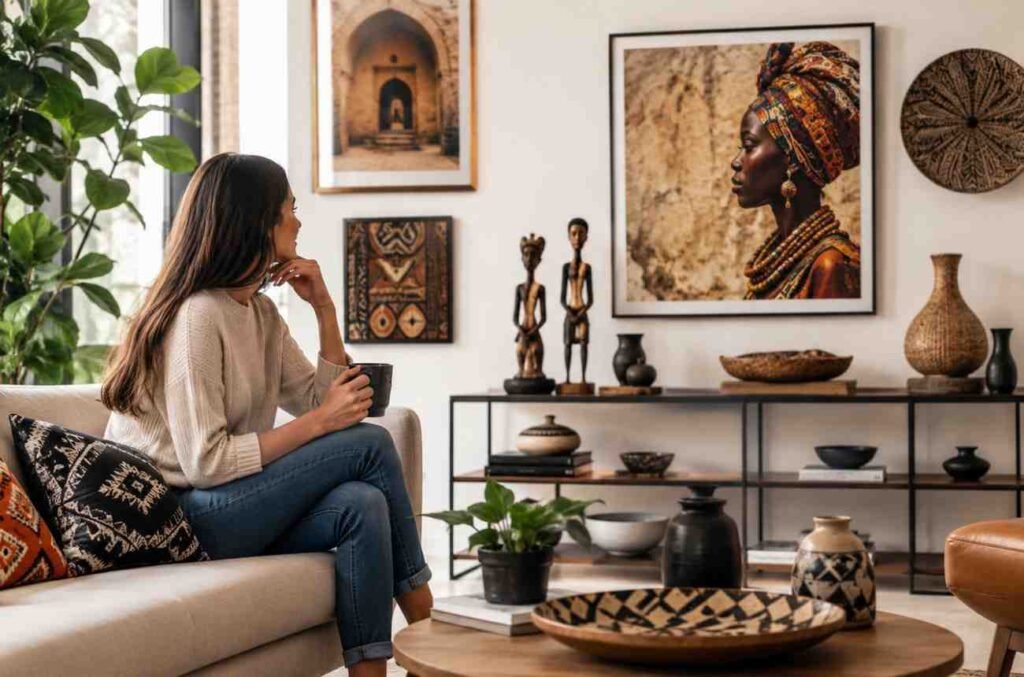
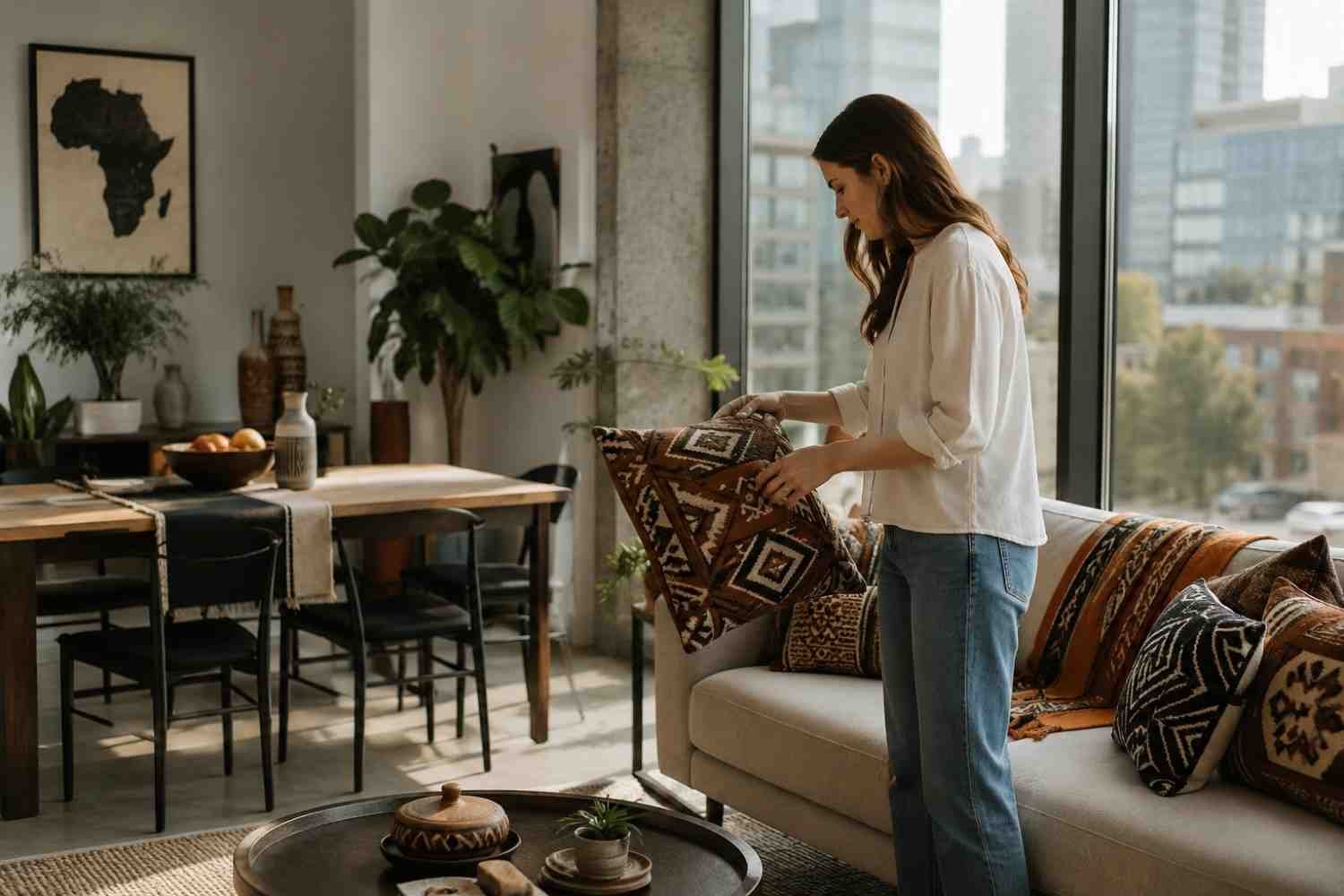
Across many regions, traditional textiles remain central to home design. Kente-inspired patterns, indigo-dyed fabrics, geometric weaves, and handwoven materials frequently appear in cushions, rugs, wall décor, and upholstery.
These textiles bring texture and color into modern interiors while preserving artistic traditions that have existed for generations. Rather than being confined to museums or cultural events, they become part of everyday life.
Handmade Craftsmanship Adds Character
Mass-produced furniture has become common globally, yet handcrafted pieces continue to hold strong appeal within contemporary African design.
Hand-carved wooden furniture, woven rattan pieces, ceramic artwork, and locally produced décor often serve as focal points in modern homes. These elements introduce individuality while supporting artisan communities and traditional skills.
The growing appreciation for handcrafted design also aligns with broader conversations around sustainable living and responsible consumption.
Architecture Is Responding to Climate and Community Needs
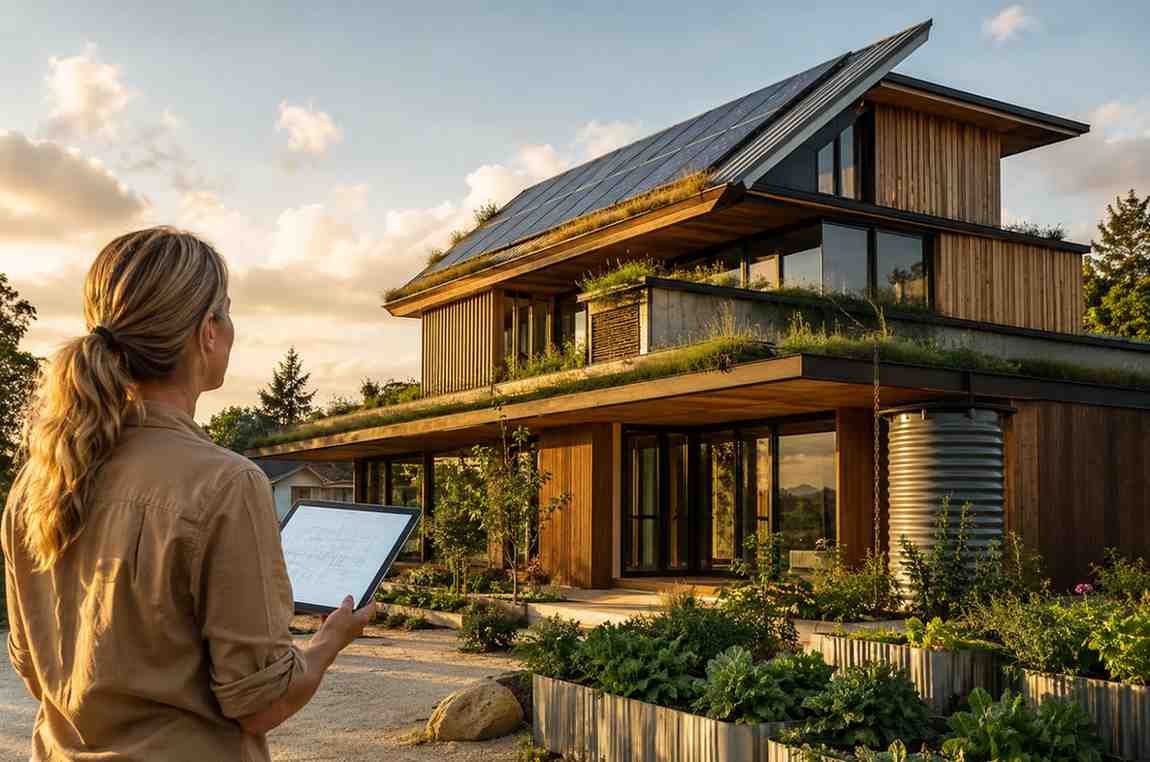
Contemporary African architecture has gained increasing international recognition because of its innovative approach to local challenges.
Climate-Responsive Design Is Becoming a Priority
Many architects are designing buildings that work with natural conditions rather than against them. Ventilation, shading, natural cooling techniques, and locally sourced materials help reduce energy consumption while improving comfort.
Projects such as the Zuyu Living framework in Northern Ghana demonstrate how architecture can combine sustainability, cultural identity, and practical functionality. These approaches show that modern design does not always require expensive technologies. Sometimes the most effective solutions come from adapting traditional knowledge to contemporary needs.
Community-Centered Spaces Remain Important
Unlike highly individualized design trends found elsewhere, many contemporary African projects continue to emphasize collective living and community interaction.
Courtyards, shared gathering spaces, and flexible social areas often remain central to residential planning. These design choices encourage connection while supporting lifestyles that value family and community engagement.
Regional Influences Continue to Shape Contemporary Style
One reason contemporary African living feels so dynamic is the incredible diversity found across different regions.
North Africa Blends Geometry and Elegance
North African design frequently incorporates intricate geometric patterns, vibrant mosaics, textured surfaces, and open courtyards. These elements create bright, welcoming spaces that feel connected to both history and modern living.
West Africa Celebrates Bold Expression
Many West African interiors embrace strong visual statements through artwork, color, textiles, and cultural artifacts. Contemporary spaces often combine earthy tones with vibrant accents, creating environments that feel energetic and deeply personal.
East Africa Embraces Natural Simplicity
In many East African and Afro-European-inspired spaces, natural materials such as wood, clay, and stone are paired with minimalist aesthetics. The result is a refined style that feels grounded, warm, and effortlessly modern.
Contemporary African Living Extends Beyond the Home
The influence of contemporary African living reaches far beyond architecture and interior design.
Fashion, Art, and Creativity Drive Cultural Expression
Modern African fashion designers, visual artists, and creatives continue to gain international attention by reinterpreting traditional influences in fresh ways. Rather than abandoning heritage, they use it as a foundation for innovation.
This creative energy shapes how people dress, decorate, travel, and express themselves. It also contributes to the growing visibility of the African travel lifestyle, where cultural exploration, local experiences, and design appreciation often intersect.
Global Interest Continues to Grow
Architects and designers such as David Adjaye have helped bring global attention to design philosophies rooted in African traditions. Their work demonstrates how local ideas can influence public spaces, museums, institutions, and communities around the world.
As global audiences become increasingly interested in authenticity, sustainability, and cultural storytelling, contemporary African living continues to inspire new conversations about how people create meaningful environments.
FAQs: Exploring Contemporary African Living Through Design, Culture, and Daily Life
1. What is contemporary African living?
Contemporary African living combines traditional cultural influences with modern design, architecture, lifestyle practices, and creative expression. It emphasizes authenticity, sustainability, and community while embracing innovation.
2. How does contemporary African design differ from traditional African design?
Traditional African design often focuses on historical forms and practices, while contemporary African design adapts those influences to modern lifestyles, technologies, and living environments.
3. Why is African architecture receiving global attention?
Many architects are creating climate-responsive, sustainable buildings that use local materials and cultural knowledge to address modern environmental and social challenges.
4. What role does craftsmanship play in contemporary African living?
Craftsmanship remains central because handmade furniture, textiles, ceramics, and artwork help preserve cultural traditions while adding character and individuality to modern spaces.
Where Heritage and Innovation Meet Naturally
One of the most compelling aspects of contemporary African living is its refusal to choose between tradition and progress. Instead, it treats both as valuable parts of the same story. Homes, communities, and creative spaces become places where cultural identity remains visible while modern ideas continue to evolve.
As interest in sustainable design, meaningful living, and authentic cultural expression grows, contemporary African living offers something increasingly rare: a way to embrace the future without losing sight of the past.