

There was a time when I thought getting healthier required a complete life overhaul. I would create ambitious plans, buy new workout gear, and promise myself that everything would change overnight. It never lasted. What finally made a difference was realizing that healthy lifestyle choices are rarely dramatic. They are often the small decisions made every day that quietly shape how we feel, think, and function.
The people who seem to have consistent energy, better focus, and a balanced lifestyle are not necessarily following strict routines. More often, they have built healthy daily habits that support their well-being without making life feel restrictive. The good news is that these habits are accessible to almost anyone willing to make gradual changes and stay consistent over time.
Why Small Healthy Lifestyle Choices Matter?
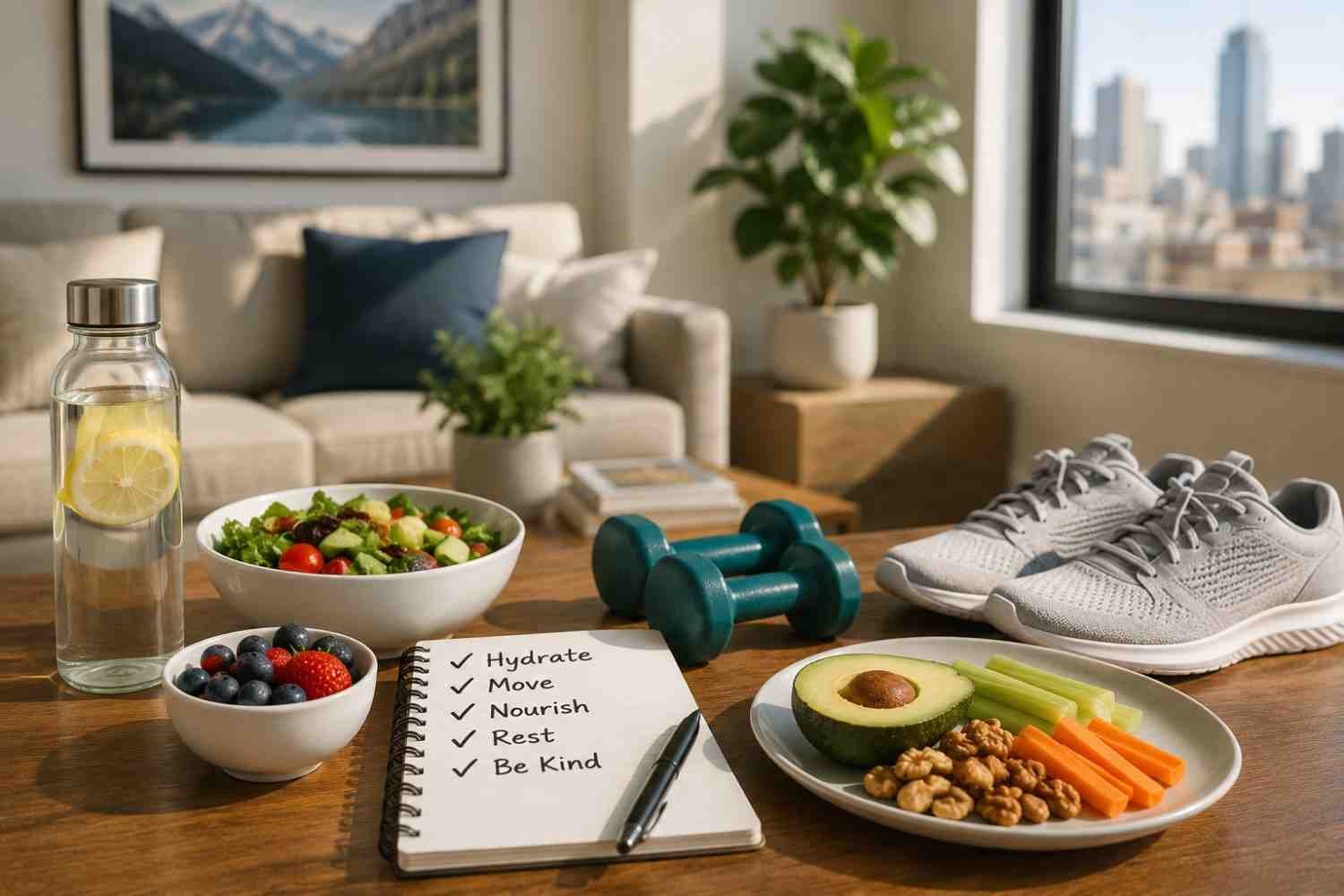
Many people underestimate the power of small actions. Choosing water instead of a sugary drink, taking a short walk after dinner, or going to bed a little earlier may not seem significant in the moment. However, these healthier choices add up.
Long-term health is rarely the result of one major decision. It is built through daily wellness practices that support both the body and mind. Over time, these habits can improve energy levels, reduce stress, support heart health, and help maintain a healthier mindset.
Eat in a Way That Supports Lasting Energy
Food affects much more than weight. It influences concentration, mood, productivity, and overall wellness. A healthy routine begins with paying attention to what fuels your body throughout the day.
A practical approach includes:
- Building meals around vegetables, fruits, lean proteins, and whole grains
- Starting the day with a protein-rich and high-fiber breakfast
- Drinking water consistently throughout the day
- Limiting ultra-processed foods and excessive added sugars
- Choosing healthier alternatives to sugary beverages
One common mistake is relying on quick snacks that provide a temporary energy boost but lead to a crash later. Nutritious meals help maintain stable energy and make it easier to stay productive throughout the day.
Move More Without Making Fitness Complicated

Physical activity does not require spending hours in a gym. Some of the most effective wellness habits are simple and sustainable.
Walking, cycling, gardening, swimming, or recreational sports all contribute to better health. The key is finding activities you genuinely enjoy. When movement feels enjoyable rather than forced, it becomes easier to maintain.
Many health experts recommend aiming for at least 30 minutes of daily movement. For those with desk jobs, breaking up long periods of sitting can also make a noticeable difference. Standing, stretching, or taking a short walk every hour helps reduce stiffness and supports circulation.
Strength training is another valuable addition. Whether using weights or bodyweight exercises, maintaining muscle strength supports mobility, balance, and long-term physical function.
Build Habits That Support Mental Well-Being
Physical health often receives the spotlight, but emotional health deserves equal attention. Stress, constant distractions, and information overload can affect daily life just as much as poor nutrition or lack of exercise.
Simple self-care habits can help create balance:
- Spend a few minutes each day practicing mindfulness or deep breathing
- Keep a journal to organize thoughts and reduce mental clutter
- Set boundaries around work and personal time
- Reduce passive screen time and endless scrolling
- Stay connected with friends and family regularly
I have noticed that some of the most effective stress management techniques are also the simplest. Taking a walk without a phone, having a meaningful conversation, or sitting quietly for a few minutes can help clear mental fog and improve focus.
Developing healthy confidence habits can also play an important role here. Small actions that reinforce self-trust and self-respect often support both mental well-being and personal growth.
Prioritize Sleep Like It Matters

Sleep is often the first thing people sacrifice when life gets busy. Unfortunately, it is also one of the most important foundations of good health.
Quality sleep supports memory, focus, immune function, and emotional stability. Without enough rest, even the best nutrition and exercise habits become harder to maintain.
Most adults benefit from seven to nine hours of sleep each night. Creating a consistent sleep schedule can make a significant difference. Going to bed and waking up at similar times helps regulate the body’s natural rhythm.
Another effective strategy is limiting screen exposure before bed. The constant stimulation from devices can make it harder to relax and fall asleep naturally.
Getting morning sunlight shortly after waking can also support a healthy sleep-wake cycle and improve alertness during the day.
How Everyday Choices Shape Your Future Health
One reason healthy habits matter is that their benefits extend far beyond the present moment. The choices you make today influence how you feel years from now.
|
Health Pillar |
Immediate Daily Impact | Long-Term Benefit |
|
Balanced Nutrition |
Better mood and stable energy |
Lower risk of chronic disease |
|
Daily Movement |
Reduced stress and improved focus |
Better mobility and strength |
|
Quality Sleep |
Sharper thinking and memory |
Stronger immune and metabolic health |
| Stress Management | Greater emotional balance |
Reduced risk of chronic inflammation |
This is why sustainable health habits tend to outperform short-term wellness trends. Consistency creates results that can last for decades.
Creating a Healthy Routine That Lasts

Many people fail because they try to change everything at once. A better approach is to focus on one or two manageable habits at a time.
For example, you might begin by drinking more water each day. Once that becomes automatic, you can add a daily walk or improve your sleep schedule. Habit building works best when changes feel realistic rather than overwhelming.
A balanced lifestyle is not about perfection. There will be days when routines are disrupted or goals are missed. What matters most is returning to healthy behavior changes without guilt or frustration.
Progress comes from consistency, not perfection.
FAQs: Everyday Healthy Lifestyle Choices That Help You Feel Your Best
1. What are the most important healthy lifestyle choices to start with?
Focus on the basics first: nutritious eating, regular physical activity, quality sleep, hydration, and stress management. These habits provide the strongest foundation for overall wellness.
2. How long does it take to see results from healthy habits?
Some benefits, such as improved energy and mood, can appear within days or weeks. Long-term health improvements typically develop over months and years of consistent effort.
3. Can small lifestyle changes really make a difference?
Yes. Small changes often produce the most sustainable results because they are easier to maintain. Over time, these habits compound and create meaningful improvements in health.
4. How can I stay motivated to maintain healthy habits?
Choose habits that fit your lifestyle, focus on gradual progress, and celebrate small wins. Consistency is usually more important than motivation alone.
Final Thoughts
The best healthy lifestyle choices are often the ones that feel manageable enough to repeat tomorrow. While dramatic transformations receive attention, lasting change usually comes from simple daily actions. Eating nourishing foods, moving regularly, sleeping well, managing stress, and maintaining meaningful relationships all contribute to a healthier mind and body. When practiced consistently, these habits create a foundation that supports both immediate well-being and long-term health.
You do not need a perfect routine to feel your best. Start with one small change, stay consistent, and allow those choices to build momentum over time.