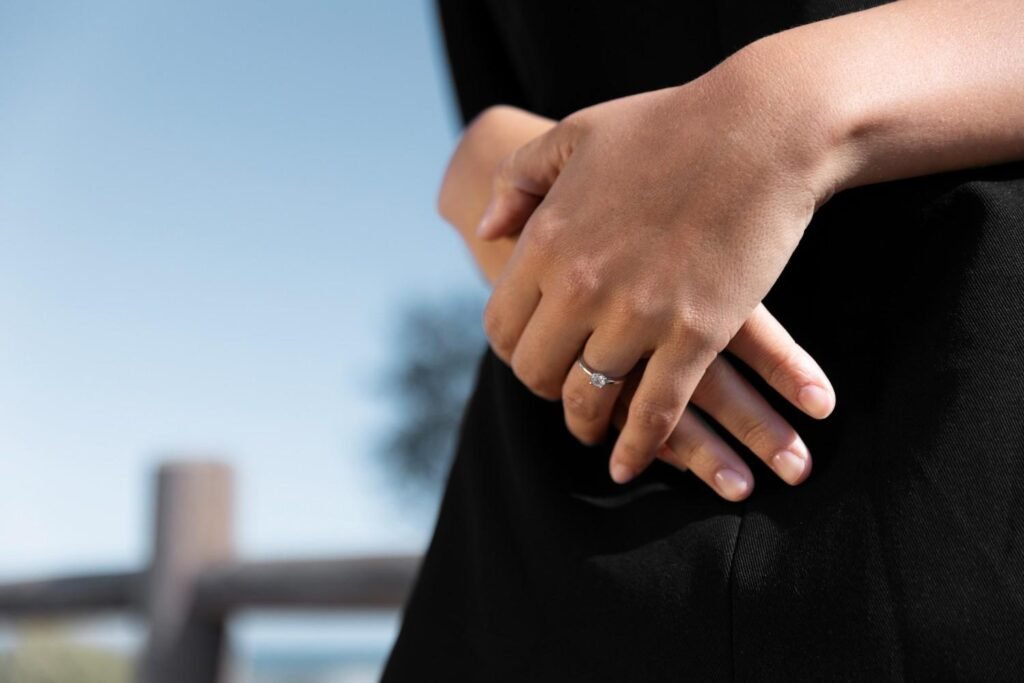
Silver jewelry is timeless, affordable, and easy to wear with almost anything, but it can lose its shine faster than many people expect. If your favorite sterling silver necklace, bracelet, ring, or earrings look dull, gray, or even black, you are probably dealing with tarnish.
The good news is that learning how to clean silver jewelry the right way can bring back its shine without damaging the surface.
I always recommend choosing your cleaning method based on two things: how heavily the silver is tarnished and whether the piece has delicate gemstones. A simple soap soak works best for everyday dirt, while a foil and baking soda bath can help with dark tarnish on plain sterling silver. The key is knowing when each method is safe.
Why Does Silver Jewelry Tarnish So Fast?
Sterling silver jewelry is popular across the US because it gives you a fine jewelry look at a more affordable price. Most sterling silver contains 92.5% silver and 7.5% other metals, usually copper. That extra metal makes the jewelry stronger, but it also makes tarnish more likely.
Tarnish happens when silver reacts with sulfur compounds, moisture, sweat, lotions, perfumes, sunscreen, chlorine, and everyday air exposure. This reaction creates a dark layer on the surface. Tarnish does not usually mean your jewelry is ruined, but using the wrong cleaning method can scratch, dull, or erode the soft silver surface.
What Is the Best Way to Clean Silver Jewelry at Home?
The best method depends on the condition of your jewelry. For light dirt, body oils, and everyday buildup, mild dish soap and warm water are the safest choice. For heavy tarnish on plain sterling silver, an aluminum foil and baking soda bath can reverse discoloration through a chemical reaction. For small tarnish spots, a baking soda paste gives you more control.
Before you start, check whether your jewelry has pearls, opals, turquoise, glued stones, antique shading, enamel, or silver plating. These pieces need extra care and should not go into harsh cleaning baths.
Method 1: Soap and Water Soak for Light Dirt
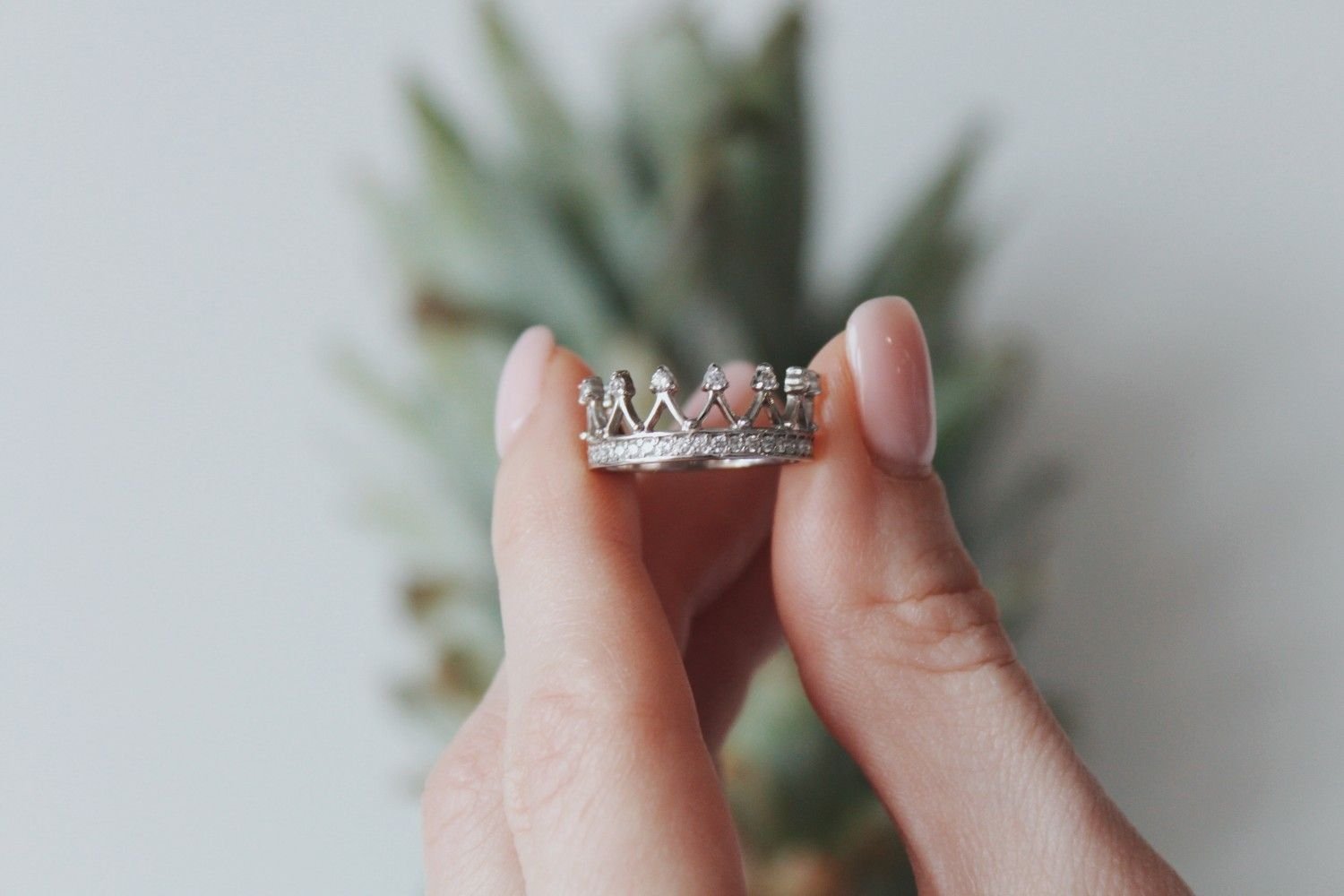
This gentle method is the safest routine for most silver jewelry, especially pieces with diamonds, glued components, or delicate details. I use it first because it removes sweat, oils, lotion, makeup, and grime without relying on abrasive ingredients.
Mix 1 teaspoon of mild dishwashing liquid with 1 cup of warm water in a clean bowl. Stir until the soap fully dissolves. Place your silver jewelry in the bowl and let it soak for 15 to 30 minutes. This gives the solution time to loosen buildup from chains, clasps, ring settings, and small crevices.
After soaking, use a soft-bristled toothbrush or microfiber cloth to gently clean the surface. Do not scrub aggressively. Silver is softer than many people realize, and rough pressure can leave tiny scratches. Rinse the jewelry under room-temperature water, then immediately pat it dry with a soft lint-free cloth. Never leave silver damp because moisture can speed up tarnishing.
Method 2: Foil and Baking Soda Bath for Heavy Tarnish
If your plain sterling silver jewelry looks dark or blackened, the foil and baking soda bath can help remove heavy tarnish without harsh scrubbing. This method uses a chemical process called ion exchange, which helps transfer sulfur tarnish from the silver onto the aluminum foil.
Do not use this method on pearls, opals, turquoise, emeralds, lapis, soft gemstones, silver-plated jewelry, glued stones, or pieces with intentional oxidized or antique shading. The process can strip decorative dark details, weaken glue, or damage porous stones.
Line the inside of a glass or ceramic bowl with aluminum foil, keeping the shiny side facing up. Place your tarnished silver jewelry inside the bowl and make sure every piece physically touches the foil. Sprinkle 1 to 2 tablespoons of baking soda evenly over the jewelry. You may add 1 teaspoon of table salt to speed up the reaction.
Carefully pour boiling water into the bowl until the jewelry is fully submerged. The mixture may fizz and release a slight sulfur smell. Let the jewelry sit for 2 to 5 minutes, or up to 10 minutes if it is severely blackened. Remove each piece with tongs, rinse under cool water, and buff dry with a clean microfiber cloth.
This method can be effective, but I would not use it often. For regular care, a polishing cloth or soap wash is gentler.
Method 3: Baking Soda Paste for Targeted Cleaning
A baking soda paste works well when only one area looks tarnished and you do not want to submerge the whole piece. This is helpful for plain silver rings, pendants, or bracelets with small tarnish spots.
Mix three parts baking soda with one part water until it forms a thick, creamy paste. Dab a pea-sized amount onto a soft microfiber cloth and gently rub the tarnished area in a straight back-and-forth motion. Avoid circular rubbing because it can create micro-scratches.
Once the tarnish lifts, rinse the paste off completely with cool water and dry the piece right away. I would avoid this method on plated jewelry, soft stones, pearls, and detailed antique finishes.
What Not to Use on Silver Jewelry
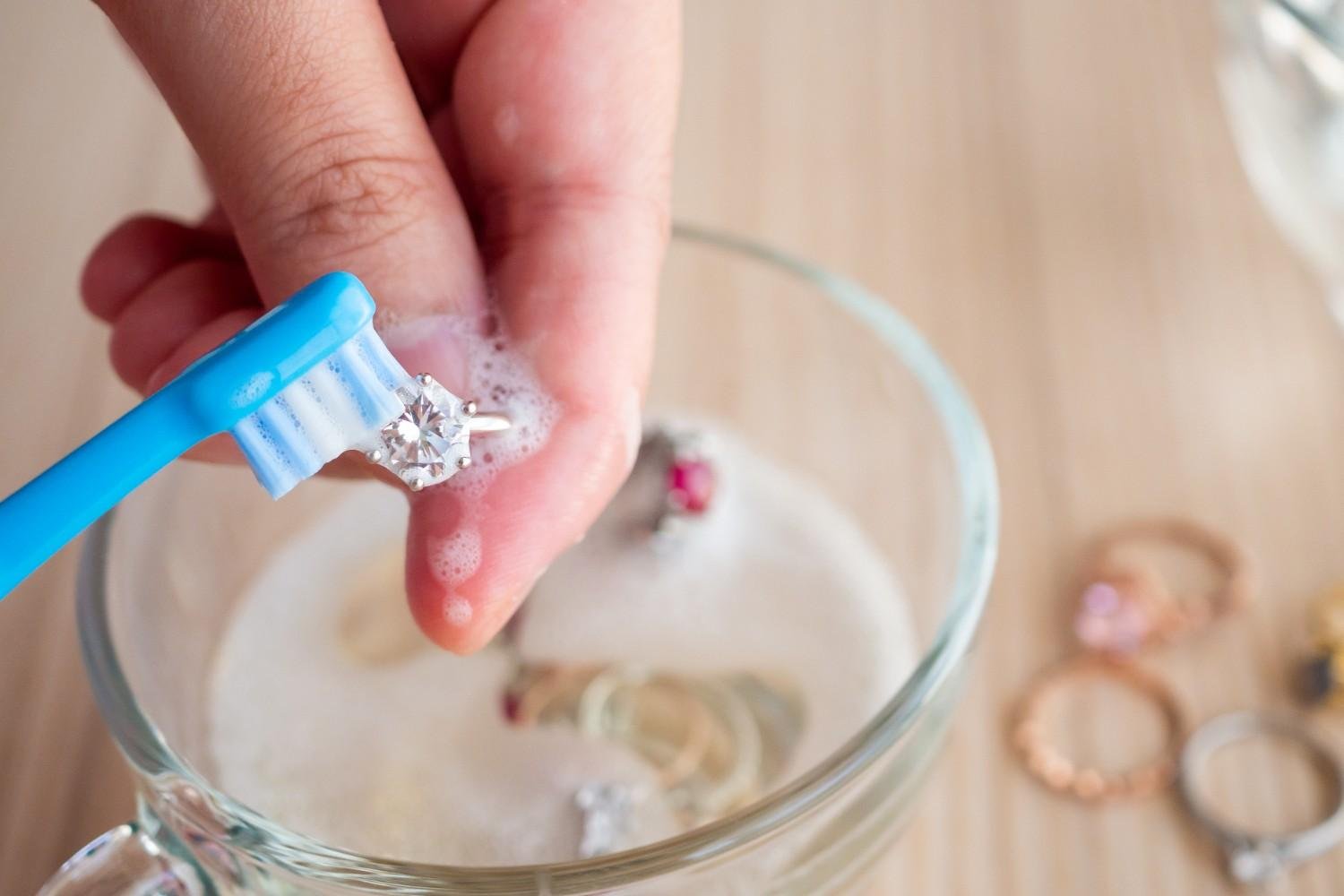
Some DIY cleaning hacks sound convenient, but they can do permanent damage. I do not recommend toothpaste because it can be too abrasive for silver. You should also avoid bleach, chlorine, ammonia, harsh household cleaners, and strong chemical dips unless a jeweler confirms they are safe for your specific piece.
Do not wear silver jewelry while cleaning the house, swimming, showering, working out, or applying perfume and lotion. Pool chlorine, sweat, sunscreen, and fragrance can all speed up tarnish or weaken delicate settings.
Ultrasonic cleaners also require caution. They may work for some solid metal jewelry, but they can loosen stones or damage fragile pieces. If the jewelry has sentimental or financial value, ask a professional jeweler before using one.
How to Clean Silver Jewelry With Gemstones
Gemstone silver jewelry needs a gentler approach. Diamonds and some hard stones may tolerate mild soap and water, but porous or delicate stones need special care. Pearls, opals, turquoise, emeralds, and lapis can react badly to heat, soaking, baking soda, vinegar, and chemical dips.
For gemstone pieces, I recommend wiping the silver carefully with a damp microfiber cloth. If needed, use a small amount of mild dish soap on the silver areas only, then wipe clean with a fresh damp cloth. Avoid soaking the entire piece unless the jewelry brand or jeweler says it is safe.
How to Clean a Silver Necklace or Chain
Silver chains collect oils and tarnish between tiny links, so they need patience. Soak the necklace in mild soap and warm water for a few minutes, then gently move it through the water to loosen dirt. Wipe the chain from end to end with a soft cloth instead of pulling it hard.
If the clasp area looks dirty, use a soft toothbrush with very light pressure. Rinse the necklace well, lay it flat on a towel, and pat it completely dry before storing. This helps prevent both tarnish and tangling.
How to Keep Silver Jewelry From Tarnishing
Prevention matters just as much as cleaning. Wear your sterling silver often because natural friction from regular wear can help keep the surface polished. After wearing, wipe each piece with a soft cloth to remove sweat, lotion, and oils.
Store clean silver jewelry in individual zip-lock bags, anti-tarnish pouches, or microfiber cloth wraps inside a jewelry box. Keep silver away from humid bathrooms. If you live in a humid US region like Florida, Louisiana, or the Gulf Coast, add silica gel packets or a small piece of charcoal to your jewelry drawer to absorb excess moisture.
Remove silver jewelry before showering, swimming, working out, cleaning, or applying perfumes, lotions, and hair products. These small habits can help your silver stay brighter much longer.
When Should You Visit a Professional Jeweler?
You should take silver jewelry to a professional jeweler if it has valuable gemstones, antique details, loose stones, deep tarnish, broken clasps, or strong sentimental value. Professional cleaning is also smart if you are not sure whether the piece is sterling silver, silver plated, or mixed metal.
A jeweler can inspect the setting, check for damage, and clean the piece safely. This is especially important for heirloom jewelry, designer pieces, vintage lockets, and rings with delicate stones.
FAQs About How to Clean Silver Jewelry
1. What is the safest way to clean sterling silver jewelry?
The safest way to clean sterling silver jewelry is with mild dish soap, warm water, and a soft microfiber cloth. This method removes everyday dirt and oils without scratching the silver surface.
2. Can I clean silver jewelry with baking soda?
Yes, you can clean plain sterling silver jewelry with baking soda, but use caution. Avoid baking soda on pearls, opals, turquoise, plated jewelry, glued stones, and antique oxidized finishes.
3. How do you remove heavy tarnish from silver jewelry?
For heavy tarnish, use an aluminum foil and baking soda bath on plain sterling silver. Make sure the jewelry touches the foil, let it sit for a few minutes, rinse well, and dry immediately.
4. Is toothpaste safe for silver jewelry?
No, toothpaste is not a good choice for silver jewelry. It can be abrasive and may leave small scratches, especially on polished, plated, or delicate silver pieces.
5. What is the best method for how to clean silver jewelry with gemstones?
The best method for how to clean silver jewelry with gemstones is a damp microfiber cloth and mild soap used carefully around the silver areas. Avoid soaking delicate stones or using heat, baking soda, vinegar, or harsh dips.
Final Thoughts on Cleaning Silver Jewelry Safely
The safest approach is to start gently and only move to stronger methods when needed. Soap and warm water work well for everyday dirt. A silver polishing cloth helps with light tarnish. A foil and baking soda bath can help with heavy tarnish, but only on plain sterling silver.
Once you understand how to clean silver jewelry based on tarnish level, gemstone type, and finish, you can avoid common mistakes and keep your favorite pieces looking bright. With the right care, smart storage, and regular wiping, sterling silver jewelry can stay beautiful for years. If you prefer lower-maintenance pieces, tarnish free jewelry for everyday wear may be a better choice for daily styling.