Many people return from a trip with hundreds of photos and a long list of attractions they visited, yet they still feel like they never truly understood the place.
They saw the landmarks, checked off the famous restaurants, and followed popular itineraries, but the experience remained surprisingly surface-level. That happens because sightseeing and cultural exploration are not always the same thing.
The moments that stay with us the longest often happen away from major attractions. They happen during conversations with local residents, while sharing a meal, navigating a neighborhood market, or participating in a community tradition.
When you shift from being a passive observer to an active participant, travel becomes far more meaningful. Instead of simply seeing a destination, you begin to understand the people, values, and stories that shape it.
Why Cultural Exploration Creates More Meaningful Travel Experiences
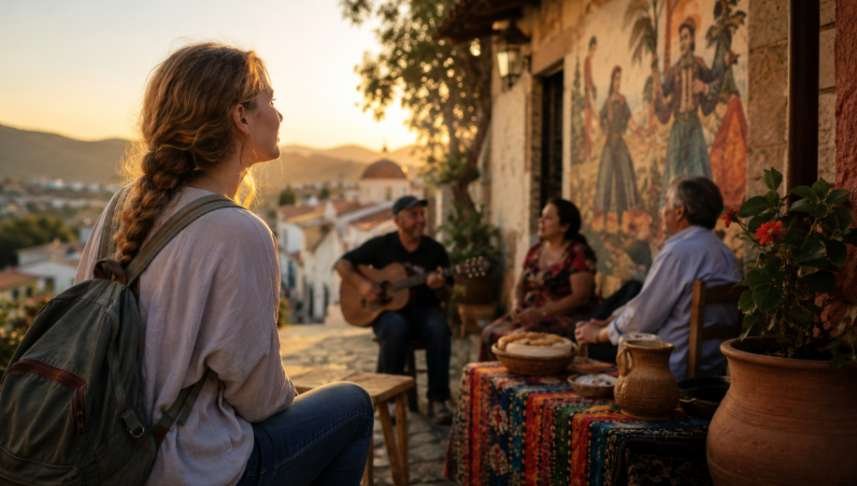
Culture is not limited to museums, monuments, or historical sites. It exists in everyday routines, social customs, local food, family gatherings, and community interactions. The more time you spend engaging with these aspects of daily life, the more complete your understanding becomes.
Everyday Life Reveals More Than Tourist Attractions
Popular attractions often showcase the highlights of a destination, but everyday experiences reveal how people actually live. Observing morning routines, local transportation systems, shopping habits, and neighborhood interactions can provide insights that no guidebook can fully explain.
Taking public transportation instead of relying entirely on tourist services is one simple example. A subway ride, ferry commute, or local bus route often offers a closer look at daily life than a sightseeing tour. You begin to notice how people interact, how communities function, and what rhythms define the city.
Everyday routines, local design, food habits, and neighborhood traditions often reflect contemporary African living, showing how culture continues to shape modern daily life beyond tourist attractions.
Local Perspectives Add Context
Many destinations have fascinating histories, but history feels more meaningful when someone who lives there explains how it continues to influence modern life. Local guides, neighborhood historians, and long-time residents often share stories that help visitors understand a place beyond facts and dates.
Community-led experiences have become increasingly popular because they create opportunities for genuine cultural exchange. These experiences often reveal traditions, challenges, and perspectives that are rarely covered in traditional tourism materials.
Food Tells Stories That History Books Cannot
Food is one of the most accessible ways to explore a culture. Every region develops recipes based on its geography, climate, migration patterns, and historical influences. A single meal can reveal centuries of cultural evolution.
Cooking Creates a Stronger Connection
Taking a cooking class offers more than a lesson in preparing food. It provides insight into local ingredients, agricultural traditions, family recipes, and cultural values. Learning why certain dishes became important often reveals stories about the community itself.
For many travelers, cooking alongside local residents creates some of the most memorable cultural experiences because it combines conversation, storytelling, and hands-on learning.
Markets Offer a Window Into Daily Life
Local markets often provide a more authentic experience than major shopping districts. Farmers’ markets, fish markets, and neighborhood food stalls show what residents actually eat and buy on a regular basis.
Walking through these spaces allows visitors to observe local customs, seasonal ingredients, and everyday interactions. These small observations often create a deeper understanding of the community than formal attractions ever could.
Community Traditions Help You Understand Local Values
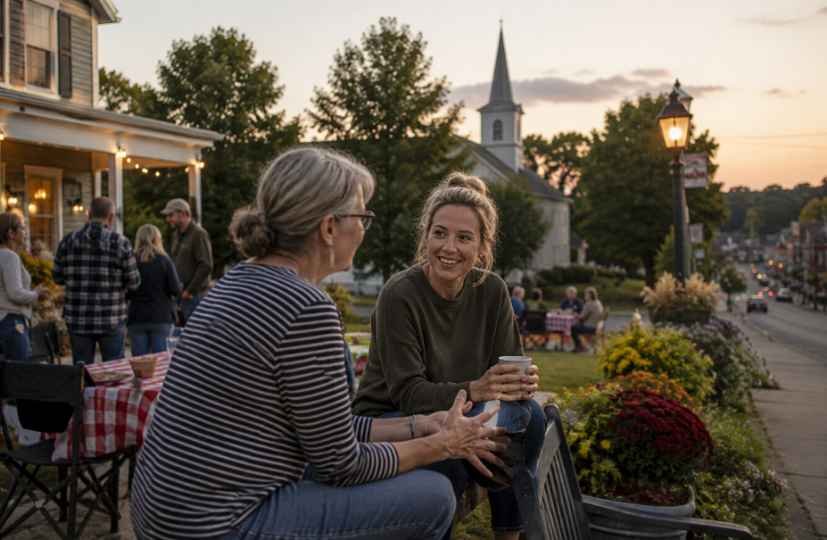
One of the most effective ways to experience cultural heritage is by participating in traditions rather than simply observing them.
Festivals Bring Communities Together
Local festivals often reflect the beliefs, history, and identity of a region. Seasonal celebrations, harvest festivals, cultural fairs, and religious events reveal what communities value and how traditions continue across generations.
These events also provide opportunities to witness music, food, clothing, and storytelling traditions that may not be visible during ordinary days.
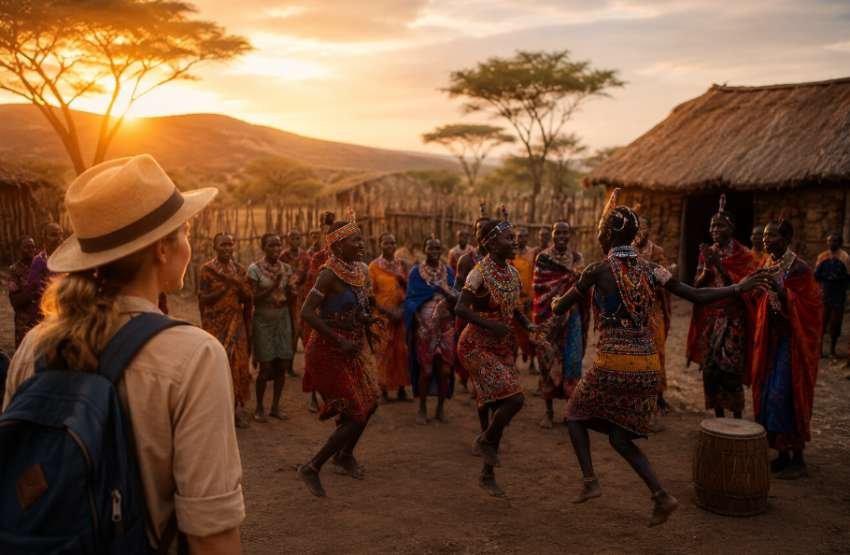
Festivals also reveal how clothing preserves identity, especially when travelers see the African clothing traditional used in ceremonies, dances, family gatherings, and cultural celebrations.
Family Traditions Often Reflect Larger Cultural Themes
Many cultures preserve their identity through family customs passed down over generations. Celebrations, meals, ceremonies, and storytelling practices often reveal broader cultural values.
Learning about meaningful family traditions can provide a unique perspective on how communities maintain their heritage while adapting to modern life. These traditions often serve as living connections between the past and the present.
Learn Through Participation Instead of Observation
The deepest cultural learning usually happens when visitors actively engage rather than simply watch.
Workshops Create Hands-On Understanding
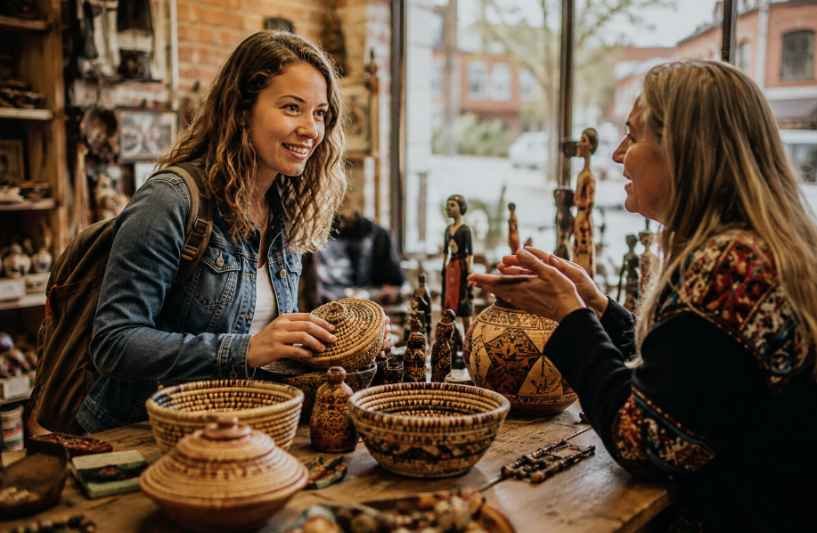
Participating in traditional craft workshops, dance lessons, language classes, or artisan demonstrations provides a more personal connection to local culture. Activities such as pottery, weaving, painting, or music instruction often carry generations of history and symbolism.
When you try these activities yourself, you gain a greater appreciation for the skills, values, and traditions that communities have worked to preserve.
Language Opens Unexpected Doors
You do not need to become fluent to benefit from learning a few local phrases. Simple greetings, expressions of gratitude, and polite questions can completely change how people respond.
Even a small effort to communicate in the local language often leads to warmer interactions and more meaningful conversations. It signals respect and curiosity, which are both essential qualities for authentic cultural exploration.
Respectful Engagement Creates Better Experiences
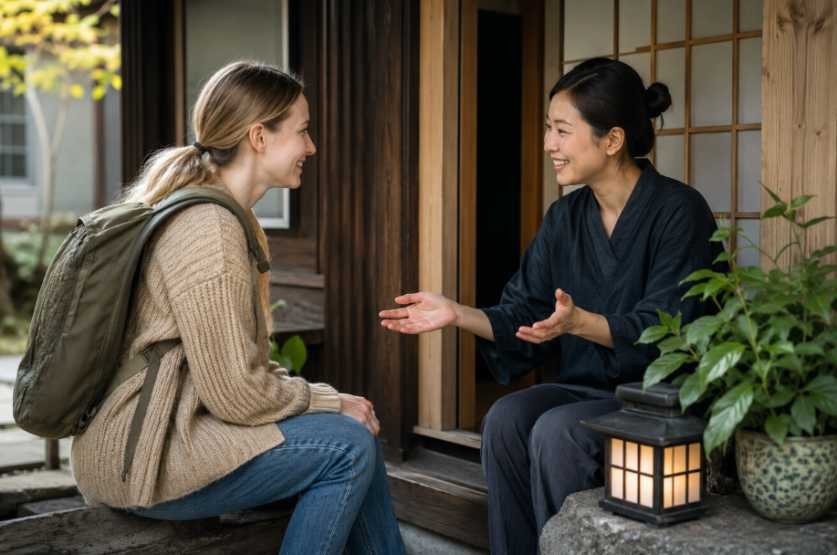
Cultural exploration should always be approached with respect and humility. Every community has customs, traditions, and social expectations that deserve consideration.
Listen Before You Judge
Travelers sometimes compare everything they encounter to what feels familiar at home. A more productive approach is to observe with curiosity instead of judgment. Cultural differences often make more sense when viewed within their historical and social context.
Support Local Communities
Choosing locally owned businesses, community tours, artisan workshops, and family-run restaurants helps preserve cultural traditions while supporting the people who keep them alive.
These choices often lead to richer experiences as well because they create direct connections with the community rather than filtered experiences designed solely for tourists.
Frequently Asked Questions
1. What is cultural exploration?
Cultural exploration involves actively learning about a community’s traditions, customs, values, food, history, and daily life through meaningful experiences and interactions.
2. How can travelers experience culture more authentically?
Travelers can seek authentic experiences by interacting with local residents, using public transportation, visiting neighborhood markets, attending community events, and participating in local activities.
3. Why is food important in cultural exploration?
Food reflects a region’s history, agriculture, migration patterns, and traditions. Exploring local cuisine often provides valuable insight into a community’s identity.
4. How do cultural activities improve travel experiences?
Cultural activities create deeper connections with destinations by helping travelers understand the people, traditions, and stories that shape a place beyond its attractions.
The Places We Remember Are Usually the Ones We Understand
The destinations that leave the strongest impression are rarely defined by a single landmark or famous attraction. They stay with us because of the people we met, the conversations we had, the meals we shared, and the traditions we experienced firsthand.
When cultural exploration becomes part of travel, destinations transform from places we visit into communities we understand. That shift creates richer memories, broader perspectives, and a deeper appreciation for the diversity that makes every place unique.